Russia-bound cargo ship hit by drone in Gulf of Finland, Ukraine likely behind attack, 2026 implications for African grain imports
Background: A volatile Baltic theatre
Since Russia's full‑scale invasion of Ukraine in 2022, the Baltic Sea and the adjacent Gulf of Finland have turned into a hotbed of naval posturing. Finland, a NATO member since 2023, has bolstered its coastal radar and air‑defence networks to monitor an uptick in low‑altitude drone flights that threaten commercial traffic. The region’s strategic importance stems from its role as a conduit for Russian oil, gas, and especially grain that moves through the ports of St. Petersburg and Vyborg before heading to global markets.
Ukraine, meanwhile, has increasingly turned to unmanned aerial systems as a low‑cost means of striking at Russian logistics without risking pilots. Drone attacks on Russian‑linked vessels have been reported sporadically since 2024, but the technology has become more sophisticated, allowing operators to loiter over targets and release payloads from a distance of several kilometres. Finnish authorities have warned that the proximity of the conflict to their waters raises the risk of spill‑over incidents that could jeopardise neutral shipping.
The Gulf of Finland, a narrow 400‑kilometre stretch between Finland’s southern coast and Estonia, is a critical chokepoint for cargo destined for the Russian interior. Any disruption there reverberates through the supply chain, affecting not only European markets but also far‑flung regions that rely on Russian grain, including several African nations that import wheat and corn to meet food‑security needs.
The incident: Drone strike on a Russia‑bound vessel
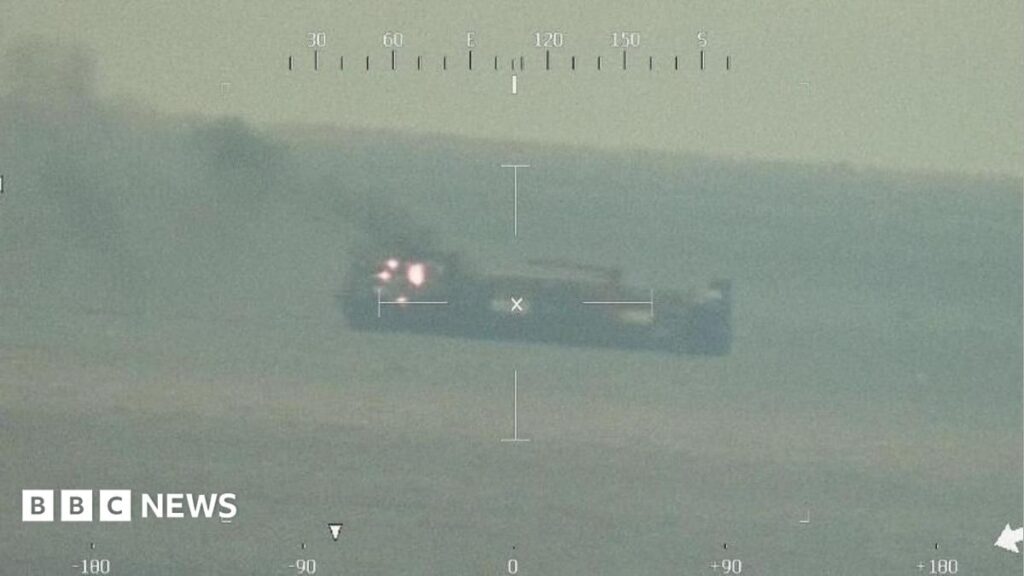
On 19 November 2026, Finnish Defence Forces detected an unidentified aerial object approaching a merchant ship en route from the Finnish port of Hamina to the Russian port of Vyborg. The vessel, a 45,000‑tonne bulk carrier registered under a Pan‑African flag, was carrying a mixed cargo of timber and steel. Within minutes, the ship’s crew reported a loud explosion on the starboard side, followed by a sudden loss of power.
According to the Finnish military, the explosion was caused by a small, commercially available drone that had released a payload of high‑explosive grenades. The crew activated emergency protocols, and the ship was towed to a nearby Finnish harbor for inspection. No crew members were injured, but the incident prompted an immediate maritime safety alert across the Baltic region.
Finnish officials, citing electronic‑signature analysis of the drone’s control link, said Ukraine was “the most likely actor” behind the attack. While they stopped short of naming Kyiv directly, they noted that the drone’s flight pattern and the type of ordnance matched those used in previous Ukrainian‑claimed operations against Russian logistics. Ukrainian officials neither confirmed nor denied involvement, a common diplomatic posture designed to avoid direct escalation with NATO states.
Why it matters: From Baltic security to African food supplies
The immediate concern for European policymakers is the erosion of confidence in the safety of commercial shipping lanes that skirt the conflict zone. Insurance premiums for vessels transiting the Gulf of Finland have already risen by 35 % since early 2025, according to Lloyd’s of London data. Higher costs are passed on to shippers, and ultimately to import‑dependent economies that purchase Russian grain through the Baltic route.
For Africa, the stakes are tangible. Nations such as Nigeria, Kenya, and Egypt source a sizable share of their wheat and corn from Russia via the Black Sea and Baltic corridors. The United Nations Food and Agriculture Organization (FAO) estimates that a 10 % reduction in Russian grain exports would push staple‑food prices up by roughly 4 % across Sub‑Saharan Africa, tightening already‑fragile food‑security margins. A disruption in the Gulf of Finland could force exporters to reroute cargo through the longer, costlier Black Sea route, adding weeks to delivery times and inflating freight rates.
Beyond commodities, the incident underscores a broader shift in how modern conflicts can affect global trade. Drone warfare, once confined to battlefield zones, now threatens civilian infrastructure far from the front line. This trend forces African logistics firms, many of which operate under tight margins, to reassess risk management strategies and consider alternative sourcing or insurance options.
Regional reactions and the African perspective
The European Union’s foreign affairs chief called the attack “unacceptable” and urged an immediate investigation, while NATO’s maritime command pledged to boost aerial patrols over the Gulf of Finland. In Helsinki, the Finnish government announced a temporary suspension of all non‑essential cargo traffic to Russian ports until a “clear security protocol” can be established.
African diplomatic circles have taken note. The African Union’s Department of Trade and Industry issued a statement reminding member states that over‑reliance on any single grain supplier is a strategic vulnerability. The AU’s chairperson, Dr. Miriam N. Kagwe of Kenya, urged African nations to accelerate the development of regional grain reserves and to diversify import routes, citing the Finnish incident as a “wake‑up call”.
Diaspora communities in Finland, many of whom work in the maritime sector, expressed anxiety over potential job losses if the Finnish‑Russian trade corridor shrinks. A spokesperson for the Finnish‑African Business Council warned that “small‑scale African exporters who rely on Finnish ports for trans‑shipment could see their margins squeezed or their cargo delayed”, prompting calls for bilateral talks on protecting trade flows.
What’s next: Escalation risks and African mitigation steps
Analysts say the incident could mark the start of a new phase in the maritime dimension of the Russia‑Ukraine war, where low‑cost drones are used to impose economic pressure without triggering a full‑scale naval confrontation. If Ukraine—or proxy actors—continue targeting vessels bound for Russian ports, insurers may demand even higher premiums, and some shipping lines could voluntarily avoid the Baltic altogether.
African governments are already weighing contingency plans. The West African Economic and Monetary Union (WAEMU) is negotiating a joint grain‑import fund that would allow member states to pool resources and secure forward contracts with alternative suppliers, such as the United States or Australia. Meanwhile, private logistics firms are exploring the feasibility of using the Suez Canal‑linked Red Sea corridor for grain shipments, despite the higher transit cost, to hedge against Baltic disruptions.
In the diplomatic arena, the United Nations is expected to convene an emergency session on maritime security in the Baltic later this month, with African representatives pushing for a resolution that calls for “unimpeded humanitarian and commercial shipping” and for the establishment of a monitoring mechanism that includes non‑European stakeholders.
Quick Answers
Who is believed to have carried out the drone attack on the Russia‑bound ship in the Gulf of Finland?
Finnish defence officials say Ukraine is the most likely actor behind the drone strike, based on the drone’s technical signature.
How could the Gulf of Finland attack affect African food‑security?
Disruption to Russian grain shipments through the Baltic could raise freight costs and delay deliveries, potentially increasing staple‑food prices in Africa by up to 4 %.
What steps are African nations taking to reduce reliance on Baltic grain routes?
The African Union and regional groups are exploring grain‑reserve funds, diversified import contracts, and alternative shipping corridors such as the Red Sea route.
Source: www.bbc.co.uk




💬 Comments 0