Russia Launches Largest Energy Attack on Ukraine Since Spring, 11 Regions Hit
Background
Since the onset of the full‑scale invasion in February 2022, Russia has repeatedly targeted Ukraine’s power grid as a weapon of war, aiming to cripple civilian morale and military logistics. The most damaging strikes in the spring of 2024 hit multiple substations and transmission lines, leaving millions of households without electricity and forcing the military to shift to diesel generators. These attacks have become a hallmark of Russia’s strategy, blending kinetic operations with economic pressure.
The Russian military’s focus on energy infrastructure is rooted in a broader doctrine that seeks to undermine the opponent’s resilience. By attacking power plants, gas pipelines, and transmission networks, Russian forces aim to create shortages that ripple through every sector—from agriculture to healthcare—while forcing Ukraine to divert resources to repair and defense. Historically, such tactics have been used to stretch an adversary’s supply lines and sow chaos.
Ukraine’s economy depends heavily on a stable energy supply. Power outages have already disrupted manufacturing, delayed medical treatments, and hampered the delivery of humanitarian aid. The loss of electricity also hampers the functioning of air‑defence systems and communication networks, thereby reducing the country’s capacity to respond to further incursions. In this context, any large‑scale attack on energy assets can have cascading effects on both the war effort and everyday life.
What Happened
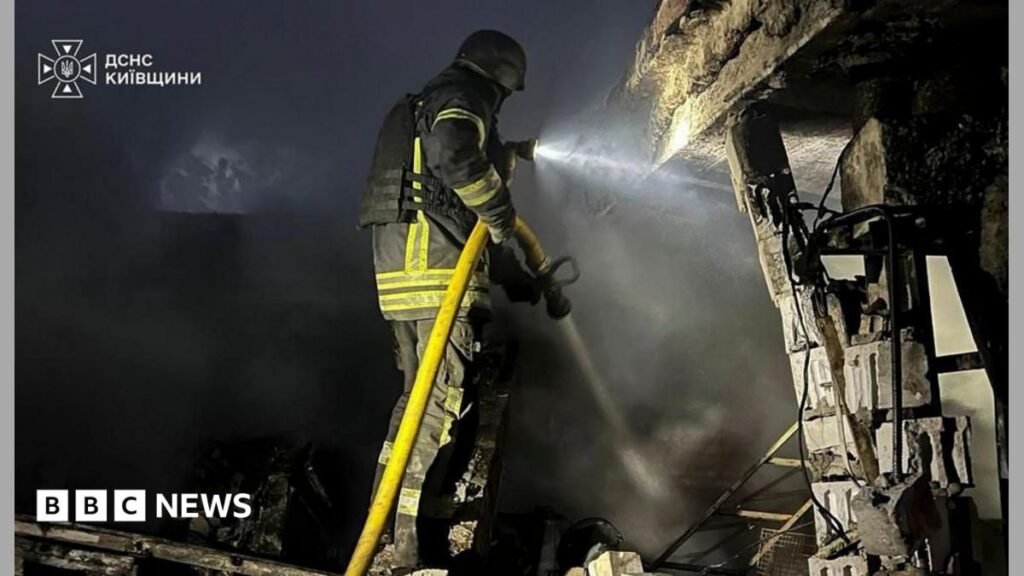
Over the course of the night between Thursday and Friday, Russian forces struck 11 Ukrainian regions, according to the Ukrainian Prime Minister’s office. The targets included substations, power plants, and critical railway infrastructure, with several residential buildings also reported damaged. The assault was described as the most extensive attack on the country’s energy grid since the spring offensive.
Initial reports from local emergency services indicate widespread power outages affecting up to 3.5 million residents, with some rural areas losing electricity for more than 48 hours. Rail services in the affected zones were halted, delaying the movement of troops and supplies. Damage to residential buildings has raised concerns about civilian safety and the potential for secondary fires.
Russian officials have not issued a direct statement regarding this specific operation, but a spokesperson for the Russian Defence Ministry reiterated that the strikes are part of an ongoing campaign to degrade Ukraine’s critical infrastructure. The Ministry’s briefings have consistently framed such actions as a response to perceived Ukrainian aggression, though independent observers note that the scale of the attack exceeds previous operations.
Why It Matters
The immediate consequence is a surge in civilian hardship. Power shortages force households to rely on generators, which increases fuel consumption and contributes to higher carbon emissions. Hospitals and emergency services face operational challenges, potentially compromising patient care and emergency response times.
On a global scale, Ukraine is a key transit route for natural gas to Europe. Disruptions in the Ukrainian grid can lead to supply bottlenecks, pushing European nations to seek alternative sources and thereby driving up global energy prices. The International Energy Agency has warned that sustained attacks could exacerbate volatility in both gas and electricity markets.
African economies, many of which import natural gas and rely on European energy markets, are not insulated from these shocks. Rising European gas prices have already translated into higher costs for African industrial sectors, especially those dependent on imported electricity for manufacturing. Moreover, the increased volatility in global oil markets can strain African governments’ budgets, limiting their capacity to invest in domestic energy infrastructure and social services.
Reactions
The Ukrainian government has declared a state of emergency in the affected regions and mobilised the National Guard to secure critical infrastructure. Kyiv has appealed to the European Union and the United States for additional military aid, citing the need for rapid repair crews and protective equipment.
Western allies have condemned the attack, with the European Council issuing a new round of sanctions against Russian officials linked to the operation. The United States has pledged additional intelligence support to help Ukraine monitor and defend its energy assets. NATO’s spokesperson highlighted the importance of collective security in preventing further escalation.
African leaders have voiced concern over the potential spillover effects. President Cyril Ramaphosa of South Africa called for a “swift and decisive” international response to protect civilian infrastructure. In Nigeria, the diaspora community in Kyiv released a statement urging the Nigerian government to support humanitarian aid and to monitor the situation closely, as many Nigerians have family ties in Ukraine.
What's Next
Military analysts predict that Russia may intensify its attacks on energy infrastructure, potentially targeting more remote and strategic sites. Ukraine is reportedly accelerating the deployment of mobile power units and has begun to coordinate with international partners to secure backup energy supplies.
The incident underscores the urgency for Ukraine to diversify its energy sources. European partners are reportedly accelerating the rollout of renewable energy projects and exploring alternative pipeline routes to reduce dependence on Ukrainian transit. African nations, meanwhile, are reviewing their energy import strategies to mitigate future shocks.
In the longer term, the war’s toll on energy infrastructure could push international actors toward renewed diplomatic efforts. While the current focus remains on military defense, the economic ramifications of sustained attacks may drive stakeholders to explore cease‑fire negotiations, especially as global markets feel the strain of continued instability.
Quick Answers
How many regions in Ukraine were attacked in the recent energy strike?
Russian forces targeted 11 Ukrainian regions overnight in the most extensive energy attack since spring 2024.
What impact does Ukraine’s energy crisis have on African economies?
Rising European gas prices, driven by Ukrainian grid disruptions, increase energy costs for African industries and can strain national budgets.
Have any international sanctions been imposed in response to the attack?
Yes, the EU and the United States announced new sanctions against Russian officials linked to the operation, and NATO has intensified intelligence support to Ukraine.
Source: www.bbc.co.uk



💬 Comments 0