Russian missile lands in Poland during NATO drill, Tusk calls it provocation – 2026 incident sparks security scramble
Background: Russia’s missile mishaps and Poland’s frontline role
Since the start of the war in Ukraine, stray or malfunctioning Russian missiles have occasionally landed beyond Ukraine’s borders, most notably in Romania, Moldova and the Baltic states. These incidents are usually framed by Moscow as “technical failures” while Western capitals label them deliberate provocations aimed at testing NATO’s resolve.
Poland, a NATO member since 1999, has become the alliance’s eastern bulwark. Its proximity to the Ukrainian front line, the presence of a large U.S. troop contingent and the hosting of joint exercises with Ukraine make Warsaw a frequent target of Russian rhetoric and, increasingly, of kinetic spill‑over.
The incident: A Russian missile lands near a Polish training ground
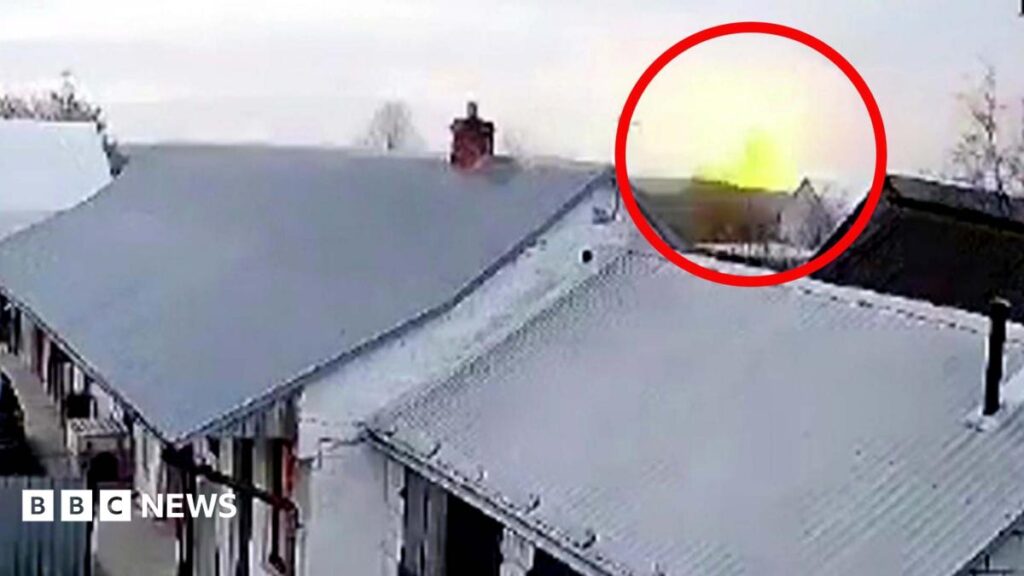
On 20 November 2026, a Russian-made Iskander‑M missile struck a vacant area close to the Biskupice‑Pszczew military training zone in western Poland, where Ukrainian forces and NATO allies were conducting a joint drill. No casualties were reported and damage was limited to a small patch of forest, but the event was immediately labeled a “provocation” by Polish Prime Minister Donald Tusk in a televised address.
Polish defence officials confirmed that radar data showed the projectile originated from the direction of Russian‑controlled territory. NATO’s rapid‑reaction team was dispatched to the site, and the alliance’s spokesperson described the episode as “unacceptable” and a breach of the alliance’s security perimeter.
Why it matters: Security, politics and the risk of escalation
The missile landing in Poland raises the stakes for NATO’s collective defence clause, Article 5, which obliges members to treat an armed attack against one as an attack against all. Even though the strike caused no injuries, it tests the alliance’s willingness to respond to incidents that fall short of full‑scale aggression.
Politically, the incident fuels the ongoing debate within the EU over defence spending. Countries like Germany and France have pledged to meet the 2 percent GDP target, but many Central European members argue that the budget must be accelerated. Tusk’s strong condemnation is likely to pressure EU leaders to fast‑track additional funding for air‑defence systems, especially in border states.
The episode also complicates diplomatic channels with Moscow. Russia’s foreign ministry has yet to comment, but previous statements have framed such incidents as “unintended” and warned that “any further provocations will be met with appropriate countermeasures.” The ambiguity leaves room for misinterpretation, increasing the risk of a rapid escalation.
African connections: Diaspora safety, trade routes and aid funding
Poland hosts one of the fastest‑growing African communities in Central Europe, with sizable Nigerian, Ghanaian and Kenyan populations in cities like Warsaw, Kraków and Łódź. Heightened security alerts could affect visa processing times and the willingness of African students and professionals to travel there, potentially slowing the flow of talent that fuels Poland’s tech and manufacturing sectors.
Poland is also a key transit hub for African goods entering the EU, especially agricultural products and textiles routed through the Baltic Sea ports of Gdańsk and Gdynia. Any disruption to transport infrastructure—such as heightened air‑space restrictions following the missile strike—could increase shipping costs for African exporters, squeezing already thin margins.
Finally, the EU’s defence budget reallocation may have downstream effects on development assistance. Analysts at the African Development Bank warn that a significant portion of the EU’s cohesion fund earmarked for infrastructure projects in West Africa could be diverted to defence procurement, delaying critical road and energy projects on the continent.
What’s next: Diplomatic talks, military posture and possible sanctions
In the immediate aftermath, Warsaw has called for an emergency meeting of the NATO Military Committee to review air‑defence readiness across the alliance’s eastern flank. Sources close to the Pentagon say that additional Patriot and SAMP/T batteries could be deployed to Poland within weeks.
On the diplomatic front, the EU is expected to issue a formal condemnation of the incident at its next foreign affairs council, potentially paving the way for a new round of sanctions targeting Russian missile manufacturers and logistics firms. Such measures would align with the broader Western strategy of tightening economic pressure while avoiding direct military confrontation.
For the longer term, experts suggest that Poland may seek to deepen its bilateral security cooperation with African nations that contribute troops to UN peacekeeping missions, using the incident as a catalyst to showcase NATO’s commitment to protecting all partners, regardless of geography.
Quick Answers
Did anyone get hurt in the Russian missile strike in Poland?
No, authorities confirmed that there were no injuries and only minor forest damage.
How could the incident affect African students in Poland?
Heightened security alerts may slow visa processing and make travel to Poland less attractive for African students and professionals.
What is NATO likely to do after the missile landed in Poland?
NATO is expected to hold an emergency meeting to boost air‑defence deployments on its eastern flank and review response protocols.
Source: www.bbc.co.uk




💬 Comments 0