Sam Coffey Returns to USWNT World Cup Qualifying Roster Ahead of 2026 Camp
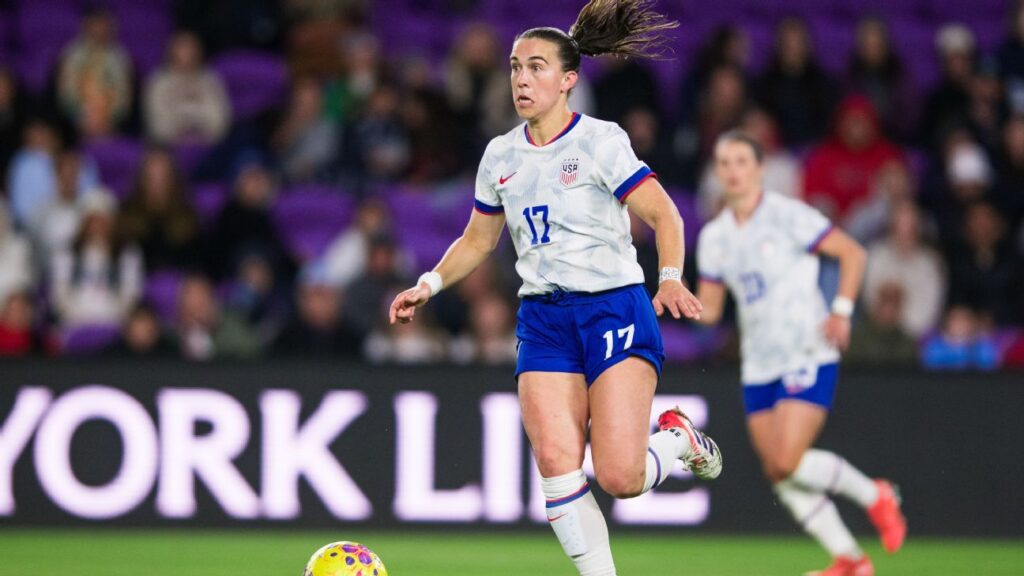
Background: Coffey’s rise and the USWNT’s current landscape
Sam Coffey, a 24‑year‑old midfielder who starred for the Notre Dame Fighting Irish and now plays for the Chicago Red Stars, earned her first senior cap in 2022. After a brief hiatus due to a lingering ankle injury, she spent the 2024‑25 season establishing herself as a reliable box‑to‑box option in the NWSL, logging over 2,000 minutes and contributing three goals and five assists.
The United States women’s national team (USWNT) entered the 2026 World Cup qualifying cycle with a mix of veteran stalwarts and a wave of new talent. Coach Twila Kilgore, appointed in early 2025, has been reshaping the squad to balance experience with the speed and versatility demanded by modern international play. Coffey’s inclusion signals that the coaching staff values her work‑rate and tactical discipline as they prepare for a crowded CONCACAF schedule.
Why Coffey’s return matters for the US qualification push
The CONCACAF region now features five teams with realistic chances of qualifying directly for the 2026 Women’s World Cup, thanks to the tournament’s expansion to 32 sides. The United States must navigate a tighter group stage where Canada, Mexico, and emerging Caribbean nations like Jamaica are all capable of snatching points. Coffey’s ability to cover both defensive duties and support the attack provides depth in midfield, a crucial factor when the squad faces back‑to‑back matches in hostile environments such as Mexico City’s high altitude.
Beyond the tactical benefit, Coffey’s return also underscores the USWNT’s commitment to nurturing home‑grown talent from the college pipeline. Her trajectory from NCAA champion to professional regular illustrates a pathway that many young American players, including those of African descent, look to emulate. The visibility of that pathway can influence participation rates among girls in US cities with large diaspora populations, such as Houston and Atlanta.
The ripple effect on African women’s football
While the United States and Africa belong to different confederations, the strength of the USWNT has indirect consequences for African nations. Historically, the US has been a benchmark for professionalism, training standards, and commercial sponsorship. African federations, especially the Nigeria Football Federation (NFF), have cited the US model when lobbying FIFA for greater investment in women’s leagues across the continent.
Coffey’s inclusion highlights a growing trend: more players of African heritage are breaking into top‑level US squads. Although Coffey herself is of mixed European descent, the USWNT roster now features several athletes with Haitian, Jamaican, or Nigerian roots, such as Amandine Pierre‑Louis (Haitian‑American) and Sydney Leroux (Canadian‑American with Caribbean ancestry). Their presence amplifies the visibility of the African diaspora in elite football, encouraging African‑born families in the US to support youth development programs that could eventually feed talent back to African national teams.
Connecting the dots: a broader pattern of talent migration and market growth
The last decade has seen a two‑way flow of talent between the US and Africa. African players increasingly secure scholarships at American universities, while US‑trained players of African descent are opting to represent their ancestral nations at senior level. This exchange expands the scouting networks of clubs in both regions and fuels commercial interest. For instance, the NWSL’s recent partnership with the South African Football Association (SAFA) includes talent‑identification camps that could eventually see a player like Coffey mentoring African prospects during US training camps.
From a market perspective, the USWNT’s commercial clout continues to attract global sponsors eager to tap into the women’s game. Brands such as Nike and Visa are launching campaigns that celebrate multicultural rosters, positioning the US team as a gateway to the African diaspora consumer base. This financial influx can trickle down to African leagues, which have begun negotiating broadcast deals with streaming platforms that also carry NWSL content.
What comes next: the road to Qatar 2026 and potential African intersections
The USWNT’s next training camp, scheduled for late November 2026, will serve as the final audition for the World Cup qualifying roster. Coaches are expected to experiment with different midfield pairings, possibly pairing Coffey with veteran midfielder Rose Lavelle to blend experience with fresh energy. The outcomes of those sessions will determine the squad that faces Canada, Mexico, and Panama in the upcoming CONCACAF qualifiers.
For African observers, the key takeaway will be how the US’s squad depth pressures regional rivals. A dominant US side can raise the competitive bar for CAF teams that will meet CONCACAF opponents in inter‑confederation playoffs. Moreover, the continued presence of diaspora players on the US roster keeps the conversation about dual‑nationality eligibility alive, a topic that has already influenced the NFF’s recruitment of US‑based Nigerian talents for the Women’s Africa Cup of Nations.
Quick Answers
When does Sam Coffey join the USWNT training camp for World Cup qualifying?
Coffey will report to the USWNT training camp in late November 2026 ahead of the CONCACAF qualifying matches.
How could Sam Coffey’s selection affect African women’s soccer?
Her selection highlights the growing impact of African‑descent players in the US, encouraging diaspora participation and prompting African federations to look to US development pathways for talent.
What role does the USWNT play in shaping global women’s football markets?
The USWNT’s commercial success attracts multinational sponsors, creating revenue streams that can benefit partner leagues in Africa through broadcast deals and talent‑exchange programs.
Source: www.espn.com




💬 Comments 0