Saudi Arabia shoots down Houthi drone south of Mecca in 2026, sparking Hajj security worries
Background: The Yemen war and the rise of drone warfare
Since 2015, the Saudi‑led coalition has been fighting the Iran‑backed Houthi movement for control of Yemen. The conflict has settled into a stalemate punctuated by periodic missile and drone strikes that target Saudi oil installations, airports and, occasionally, civilian infrastructure.
In recent years the Houthis have refined their unmanned‑aircraft capabilities, importing commercial drones and adapting them for long‑range attacks. This shift mirrors a global trend where non‑state actors use low‑cost drones to punch above their weight, forcing traditional militaries to invest heavily in air‑defence systems.
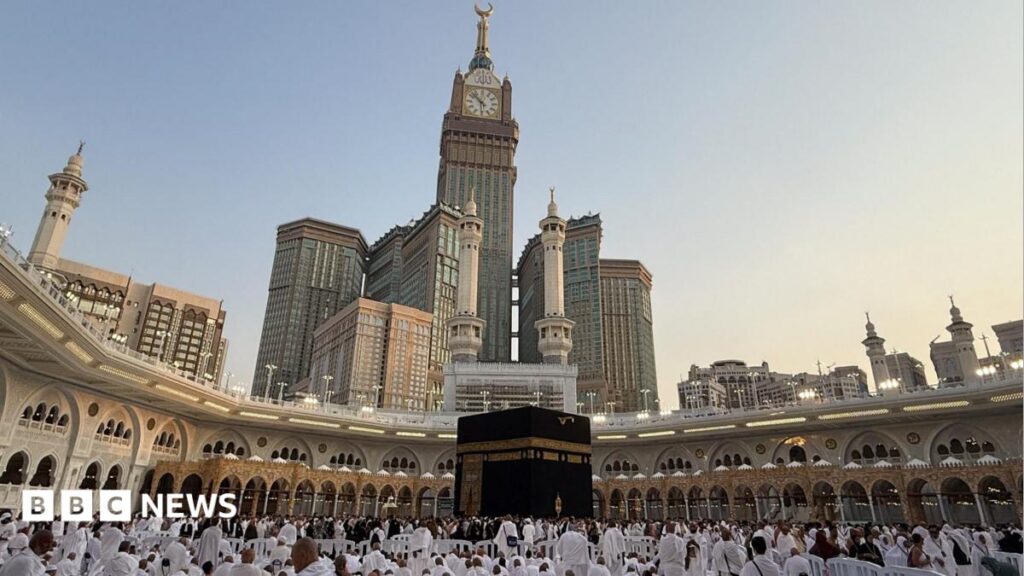
Saudi Arabia’s air‑defence network, overseen by the Ministry of Interior, has responded by intercepting dozens of inbound drones each year. The latest interception, reported on 16 September 2026, took place just south of the holy city of Mecca, a location that has rarely seen direct combat.
The incident: What happened south of Mecca
According to a statement from Saudi Arabia’s General Directorate of Civil Defence, radar operators detected an unidentified aerial object moving toward the Mecca region at approximately 14:30 local time. Fighter jets were scrambled and successfully shot down the drone before it could approach the city’s perimeter.
The Saudi Ministry of Interior labelled the act a "disgraceful" violation of international norms, accusing the Houthis of deliberately targeting a site of profound religious significance. The Houthis, speaking through their official media outlet, denied any intention to strike Mecca, insisting the drone was on a routine reconnaissance mission over Yemeni territory.
No casualties were reported, and the debris fell in an uninhabited desert area. However, the incident has triggered heightened alert levels at the airports serving the upcoming Hajj pilgrimage, which begins in early October.
Why it matters for Saudi security and the Hajj economy
Mecca hosts the annual Hajj, drawing over two million pilgrims from around the world. The pilgrimage accounts for roughly 15 % of Saudi Arabia’s tourism revenue, a figure that swells each year as the kingdom seeks to diversify away from oil.
Any perceived threat to the holy sites can deter pilgrims, especially those from regions where travel insurance premiums rise sharply after security alerts. In 2024, a similar drone scare led to a 7 % dip in early‑booking numbers for African pilgrims, according to data from the Saudi Ministry of Hajj and Umrah.
Beyond the immediate financial hit, a successful attack could erode the kingdom’s reputation for guaranteeing safe passage, a cornerstone of its Vision 2030 strategy to position Saudi Arabia as a global hub for religious tourism.
African pilgrims and the diaspora: A hidden ripple effect
Nigeria, Ghana, Kenya and Tanzania together contribute more than 250,000 pilgrims each Hajj season, making them the largest African bloc in the pilgrimage market. Travel agencies in Lagos, Accra and Nairobi have warned clients that insurance premiums could rise by up to 20 % if the security situation deteriorates.
For many African Muslims, the Hajj is a once‑in‑a‑lifetime spiritual milestone funded through years of savings. A disruption could force families to postpone or cancel their plans, affecting not only individual households but also the broader informal economy of travel agents, local hotels and souvenir vendors that depend on the seasonal surge.
The diaspora community in the Gulf, especially Yemeni and Somali expatriates, also monitors such incidents closely. A spike in security alerts often translates into tighter visa scrutiny for workers from East Africa, potentially limiting remittance flows that sustain families back home.
Regional trade and shipping: The Red Sea link
The Red Sea is a vital artery for East African exporters, carrying Ethiopian coffee, Kenyan tea and Tanzanian minerals to European markets. Houthi attacks on commercial vessels have already forced some shipping lines to reroute around the Cape of Good Hope, adding weeks and millions of dollars to freight costs.
An escalation that includes attacks near Saudi ports could compound these disruptions. According to a June 2026 report by the African Development Bank, a 10 % increase in shipping costs would shave off roughly $1.2 billion from the combined export earnings of the Horn of Africa nations.
While the drone intercepted near Mecca did not threaten maritime traffic directly, it signals a broader willingness by the Houthis to extend their operational reach, raising concerns among African exporters who rely on the safety of the Bab el‑Mandeb strait.
What comes next: Diplomatic and military calculations
Saudi Arabia is expected to bolster its air‑defence deployments around the holy sites, possibly integrating additional Patriot batteries supplied by the United States under the 2025 security pact. Analysts at the Middle East Institute suggest that the kingdom may also pressure the United Nations to label Houthi drone attacks as violations of international humanitarian law.
On the diplomatic front, Riyadh could seek a coordinated response with Gulf allies and Egypt, both of which host large numbers of African pilgrims. A joint statement emphasizing the protection of religious sites might reassure travel agencies and encourage bookings to rebound before the Hajj rush.
For the Houthis, denying responsibility may be a tactical move to avoid alienating Muslim public opinion worldwide, especially in Africa where many view the group as a legitimate resistance force. Their next steps will likely balance the desire to demonstrate capability with the risk of provoking a stronger coalition response that could tighten the blockade on Yemen’s ports.
Quick Answers
Did the Houthi drone actually target Mecca?
Saudi officials say the drone was shot down before reaching Mecca, while the Houthis claim it was only on a reconnaissance mission and not aimed at the holy city.
How could this incident affect African pilgrims going on Hajj?
Security alerts can raise travel‑insurance costs and cause some agencies to limit bookings, potentially delaying or cancelling Hajj plans for up to 250,000 African pilgrims.
Will the drone strike impact shipping routes used by African exporters?
A broader escalation could threaten the Red Sea corridor, raising freight costs for East African goods that rely on the Bab el‑Mandeb strait.
Source: www.bbc.co.uk


💬 Comments 0