Saudi Arabia shuts key oil pipeline after 2026 Iraqi drone attack – impact on African oil markets
Background: The pipeline and regional tensions
The East‑West Crude Oil Pipeline, a 1,200‑kilometre artery that moves up to 1.5 million barrels of Saudi crude daily from the Red Sea port of Yanbu to the Persian Gulf, is a linchpin of the kingdom’s export strategy. Its uninterrupted flow underpins Saudi revenue, stabilises global oil supply, and indirectly influences price benchmarks that African oil‑exporting nations such as Nigeria and Angola watch closely.
Since the U.S. withdrawal from Iraq, Iran‑aligned militias have increasingly used Iraqi territory as a launchpad for low‑cost, high‑impact drone strikes. The most notable incidents include the 2020 attack on Saudi oil facilities and the 2022 missile barrage on the same pipeline. These actions have turned the Iraqi‑Iran border region into a volatile front line, prompting both Riyadh and Baghdad to tighten security but also to accuse each other of tacit complicity.
In the broader geopolitical picture, the pipeline’s importance extends beyond Saudi economics. It is a bargaining chip in OPEC+ negotiations, a signal of Saudi capacity to meet global demand, and a factor in the energy security calculations of import‑dependent African states such as Egypt, Kenya and South Africa.
The drone strike and immediate shutdown
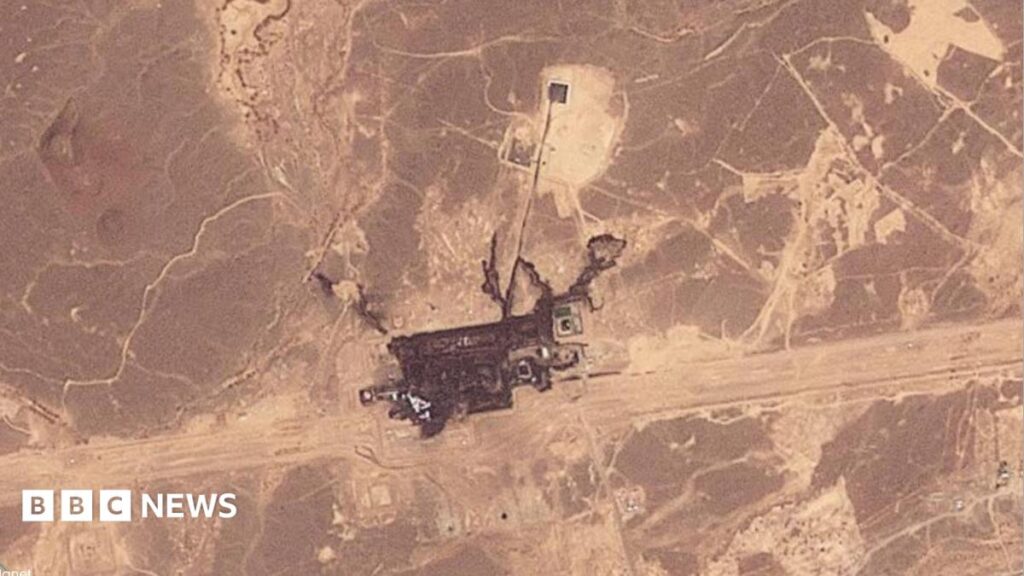
On 11 September 2026, a swarm of unmanned aerial vehicles, reportedly launched from an Iraqi town close to the Iran border, struck a pumping station on the pipeline’s central segment. Saudi officials confirmed that the drones caused a temporary loss of pressure, prompting an automatic shutdown of the line to prevent a larger spill and to safeguard downstream infrastructure.
Aramco’s emergency protocols were activated within minutes, and the company announced a controlled restart after engineers verified the integrity of the affected segment. The shutdown lasted roughly six hours, during which the kingdom rerouted crude through its coastal loading terminals, a move that added logistical costs and briefly tightened global supply.
Iraqi authorities responded by removing a senior military commander believed to have overseen the area where the drones were launched. The Interior Ministry opened a formal investigation, citing “a breach of national sovereignty” and pledging cooperation with Saudi and international partners to identify the perpetrators.
Ripple effects on African oil markets and economies
Even a brief interruption of Saudi output reverberates across Africa. Nigeria’s export earnings, which account for roughly 10 % of the nation’s GDP, are sensitive to Brent and WTI price swings that react instantly to Saudi supply news. The six‑hour shutdown nudged Brent up by 0.7 %, translating into an estimated $150 million loss in daily revenue for Nigeria’s oil sector.
Import‑dependent African economies felt the price shock more acutely. South Africa, which purchases a substantial share of its refined products from Saudi‑linked refineries, saw diesel prices rise by 2 % at the pump within 24 hours. The increase strained transport costs for the country’s mining sector, a key driver of its export earnings.
African sovereign wealth funds, notably the Abu Dhabi‑based Mubadala and Nigeria’s Niger Delta Development Commission, hold sizeable positions in Saudi oil futures. The short‑term price surge triggered marginal portfolio adjustments, highlighting how geopolitical flashpoints in the Gulf can influence investment strategies across the continent.
Political fallout in Iraq and broader Middle‑East dynamics
The removal of the Iraqi commander signals Baghdad’s attempt to distance itself from militia actions that jeopardise its diplomatic ties with Riyadh. Analysts at the Carnegie Middle East Center suggest the move is also a pre‑emptive effort to avoid sanctions from the United States, which has warned of “targeted measures” against any Iraqi entity facilitating attacks on Saudi infrastructure.
Iran’s role remains ambiguous. While Tehran officially denies involvement, Iranian‑backed groups have historically expressed solidarity with anti‑Saudi campaigns. The incident therefore fuels speculation about a covert escalation that could draw Iraq deeper into a proxy conflict, potentially destabilising the already fragile security environment of the Shia‑dominated southern provinces.
For the broader OPEC+ bloc, the episode underscores the fragility of the supply chain that underpins collective output decisions. Saudi Arabia’s willingness to temporarily shut a critical pipeline rather than risk a catastrophic spill may embolden other producers to adopt more aggressive risk‑management tactics, reshaping the group’s internal dynamics.
What lies ahead: oil prices, OPEC decisions and African outlook
In the days following the attack, Brent hovered around $86 per barrel, a modest rise that could persist if further disruptions are reported. OPEC’s next meeting, scheduled for early October, will likely address the incident’s impact on Saudi’s capacity to meet its voluntary output cuts, a topic of keen interest to African exporters seeking market stability.
African ministries of energy are already drafting contingency plans. Nigeria’s Ministry of Petroleum announced a temporary increase in domestic refining incentives to curb fuel imports, while Egypt’s Ministry of Trade is negotiating short‑term contracts with alternative suppliers in the United States to hedge against price volatility.
Long‑term, the incident may accelerate Africa’s push for energy diversification. Several West African nations have renewed commitments to renewable‑energy projects, citing the unpredictability of oil‑centric geopolitics. If the pattern of cross‑border drone attacks continues, investors might re‑evaluate exposure to Middle‑East oil assets, opening space for African‑led energy initiatives.
Quick Answers
What caused the shutdown of Saudi Arabia's key oil pipeline in September 2026?
A swarm of drones launched from an area in Iraq near the Iran border struck a pumping station, prompting an automatic safety shutdown.
Which African countries are most vulnerable to the oil price spike caused by the pipeline attack?
Nigeria, as a major oil exporter, and import‑dependent economies like South Africa and Egypt felt immediate revenue and fuel‑price impacts.
What actions has Iraq taken after the drone attack on the Saudi pipeline?
Iraq removed a senior military commander linked to the launch zone and opened a formal investigation into the incident.
Source: www.bbc.co.uk




💬 Comments 0