Saudi Arabia vows retaliation after Houthi strikes injure 73, ignite oil facilities – 2026
Background: The Yemen‑Saudi proxy war
The conflict between Yemen’s Houthi movement and Saudi Arabia dates back to 2015, when Riyadh launched a military campaign to restore the internationally recognised government ousted by the Iran‑backed rebels. Since then, the war has become a proxy battlefield, with Iran supplying weapons and Saudi Arabia receiving logistical and intelligence support from the United States and other Western allies.
Over the past two years, the Houthis have shifted tactics from ground offensives to long‑range missile and drone attacks aimed at Saudi infrastructure. Their most notable successes have been strikes on oil refineries in the Eastern Province and the capital’s key power grids, forcing Riyadh to invest heavily in air‑defence systems and to seek diplomatic pressure on Tehran.
What happened: Cities hit, oil sites set alight, 73 injured
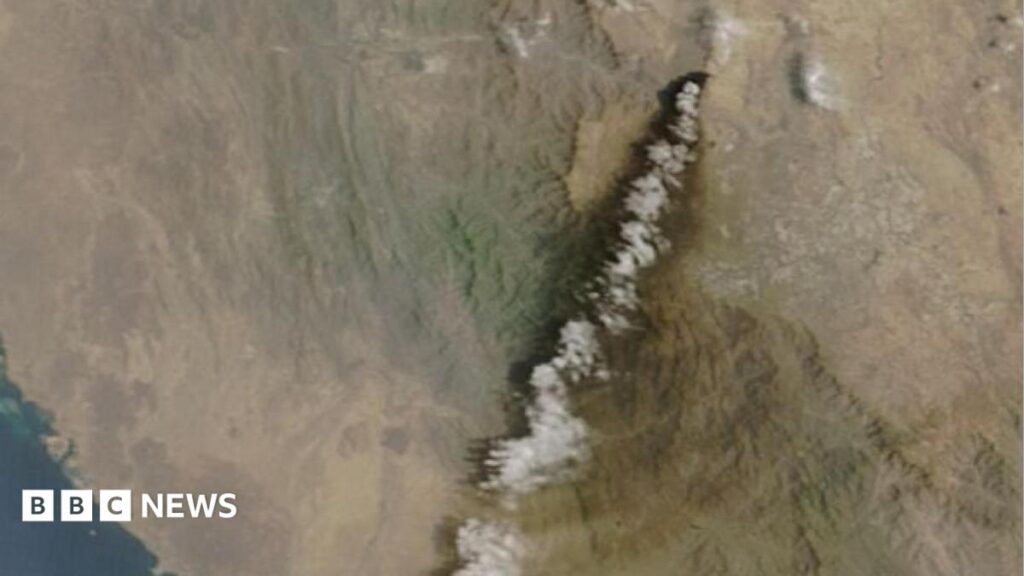
On 6 September 2026, Houthi forces launched a coordinated barrage of ballistic missiles and armed drones targeting Saudi Arabia’s western coastal cities and two major oil‑processing complexes near Yanbu. The attacks sparked fires at the facilities, temporarily halting production and prompting emergency shutdowns across the network.
Saudi officials confirmed that 73 people were injured, most of them civilians caught in the ensuing smoke and debris. While no fatalities were reported, the damage to the oil sites is expected to cost the kingdom millions of dollars in lost output and repair work, according to the Saudi Ministry of Energy.
Why it matters: Energy security, Red Sea trade and global markets
Saudi Arabia supplies roughly 15 % of the world’s oil, and any disruption to its production reverberates through global markets. The immediate aftermath saw Brent crude rise by 1.2 % and spot prices for diesel climb as traders priced in the risk of further strikes.
The attacks also threaten the security of the Red Sea, a choke point for more than 10 % of global maritime trade. Vessels carrying African exports—especially copper from Zambia, cocoa from Côte d’Ivoire and oil from Nigeria—must navigate waters that could become contested if Saudi‑Houthi hostilities expand.
African angle: Impact on imports, shipping lanes and diaspora communities
Many African economies rely on cheap Saudi crude to power factories and transport fleets. Nigeria, Kenya and South Africa have all reported higher refinery margins in the weeks following the attacks, a trend that could translate into higher fuel prices for consumers and businesses across the continent.
The Red Sea route is a lifeline for East African ports such as Mombasa, Djibouti and Port Sudan. Any escalation that forces shipping companies to reroute around the Cape of Good Hope would add weeks to delivery times and increase freight costs, squeezing margins for African exporters already battling volatile commodity prices.
The Yemeni diaspora in Saudi Arabia, estimated at over 150 000 people, includes a sizable number of African nationals who work in construction and domestic services. Heightened security alerts may limit their ability to travel home, and the Saudi vow to retaliate could lead to stricter curfews that affect their daily lives.
Reactions and what could happen next
Saudi Arabia’s defense minister, Prince Khalid bin Salman, declared that the kingdom “will respond with decisive force” and warned of “proportionate” measures against any future Houthi aggression. The United States, through its Central Command, signalled readiness to provide additional air‑defence assets if Riyadh requests them.
Analysts caution that an overt Saudi retaliation could draw Iran deeper into the conflict, potentially widening the war beyond Yemen’s borders. A diplomatic track, led by the United Nations and the Gulf Cooperation Council, is being explored to prevent a spiral that would further destabilise the Red Sea corridor.
For African investors, the key takeaway is to monitor oil‑price volatility and shipping‑insurance premiums closely. Companies with exposure to Saudi crude or Red Sea logistics should consider hedging strategies and contingency plans for alternative routes, especially as the conflict shows no sign of abating.
Quick Answers
How many people were injured in the recent Houthi attacks on Saudi Arabia?
Saudi authorities reported that 73 people were injured in the strikes on 6 September 2026.
Why do Houthi attacks on Saudi oil facilities affect African economies?
Disruptions to Saudi crude raise global oil prices, increasing fuel costs for African countries that import Saudi oil and raising freight charges for African exporters using the Red Sea.
What could happen to Red Sea shipping if Saudi‑Houthi tensions rise?
Shipping companies may be forced to reroute around the Cape of Good Hope, adding weeks to transit times and inflating freight costs for African trade.
Source: www.bbc.co.uk




💬 Comments 0