Saudi-led coalition hits Yemen fuel depot, missiles intercepted near Riyadh – implications for oil markets and Africa, 2026
Background: The Saudi‑Yemen war and fuel infrastructure
Since 2015, Saudi Arabia has led a coalition against the Iran‑aligned Houthi movement that seized control of Yemen’s capital, Sanaa, and large swathes of the north. The war has turned Yemen’s already fragile oil and gas network into a battlefield, with both sides targeting pipelines, refineries and storage sites to cripple each other's logistics and revenue streams.
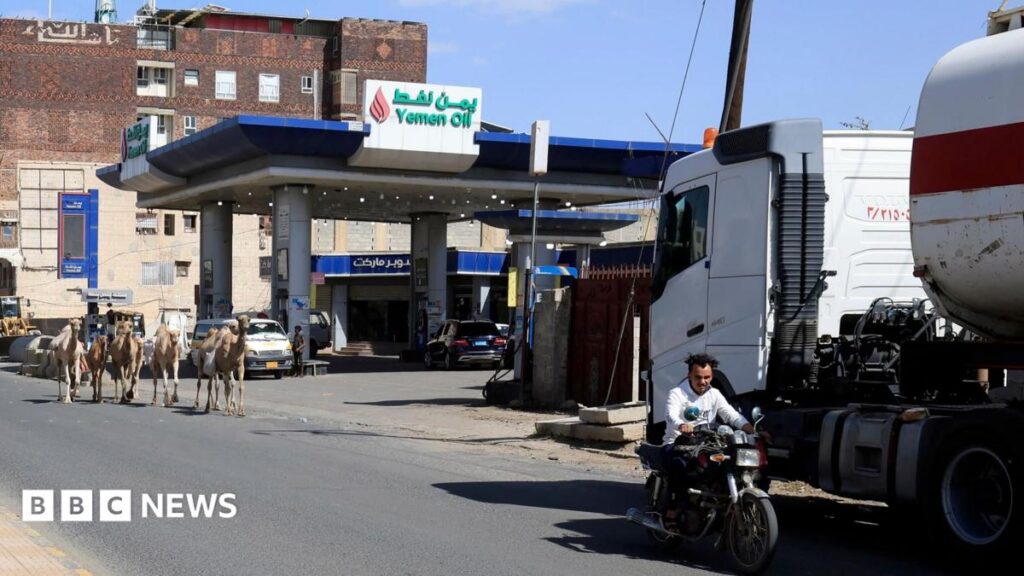
Fuel depots near Sanaa are especially valuable because they feed the limited domestic market and serve as a hub for smuggling routes that cross the porous border with Saudi Arabia. Over the past decade, the coalition has repeatedly bombed these depots, prompting the Houthis to develop a growing missile capability aimed at Saudi territory as retaliation.
The latest strike and missile interception
On 13 October 2026, coalition aircraft struck a large fuel depot on the outskirts of Sanaa, according to a statement from the Saudi Ministry of Defense. The depot, which stored an estimated 150,000 barrels of diesel and jet fuel, was hit by precision‑guided munitions that caused a fire that was later contained by local emergency crews.
Within minutes of the airstrike, Saudi air‑defence systems reported intercepting a volley of short‑range missiles heading toward Riyadh. The Saudi Arabian National Guard confirmed that two of the incoming missiles were shot down by Patriot batteries, while a third detonated harmlessly in a sparsely populated suburb, according to the official press release.
Why the attack matters for Africa and global oil markets
Yemen sits on the Bab al‑Mandab strait, the choke point through which roughly 10 percent of the world’s oil passes. Any disruption to fuel supplies in the country can ripple through the Red Sea corridor, a route heavily used by East African importers of refined petroleum. Kenya, Tanzania and Ethiopia import up to 30 percent of their diesel via ships that transit the strait, meaning a sudden spike in prices or a temporary closure could tighten already fragile fuel markets in the Horn of Africa.
The strike also adds pressure on global oil prices, which have been volatile since the 2024 OPEC‑plus production cuts. Analysts at Bloomberg noted that a repeat of the 2022‑23 price spikes could occur if the conflict escalates further, potentially raising the cost of transport for African exporters of coffee, cocoa and minerals. Higher freight rates would erode profit margins for exporters in Ghana, Côte d’Ivoire and the Democratic Republic of Congo.
Regional reactions and the risk of wider escalation
Houthi officials, speaking on their state‑run Al‑Masirah channel, hailed the missile launch as “a justified response to the relentless bombing of civilian infrastructure.” They warned that more sophisticated missiles would be deployed if the coalition continues its air campaign, a claim reported by Al Jazeera.
Saudi Arabia’s Crown Prince Mohammed bin Salman, in a televised address, framed the interception as proof that the kingdom’s defence network remains “unbreakable.” He also called on the United Nations to accelerate a cease‑fire proposal, a diplomatic overture that has been repeatedly rebuffed by the Houthis. The United States, which supplies the Patriot systems, issued a brief statement saying it “remains committed to the security of its partners in the region,” but offered no new military assistance beyond existing arrangements.
What comes next: possible scenarios and diplomatic moves
If the coalition resumes intensified bombing of Houthi‑controlled fuel depots, the Houthis may increase the range and frequency of missile attacks on Saudi cities, raising the likelihood of civilian casualties and further economic disruption. Such a spiral could force the United Nations to convene an emergency security council meeting, something that has not happened since the 2024 Red Sea shipping attacks.
Conversely, regional actors such as Oman and Qatar have begun quietly mediating back‑channel talks. An early‑October meeting in Muscat, reported by Reuters, brought together low‑level officials from both sides and hinted at a possible temporary humanitarian pause to allow fuel deliveries to reach civilian populations in Yemen’s north. If that pause holds, it could create a narrow window for African humanitarian NGOs operating in Yemen to deliver aid without the constant threat of airstrikes.
Quick Answers
What was the target of the Saudi‑led coalition strike on 13 October 2026?
The coalition bombed a fuel depot on the outskirts of Sanaa, Yemen, which stored roughly 150,000 barrels of diesel and jet fuel.
How did Saudi Arabia respond to the missile launch toward Riyadh?
Saudi air‑defence systems intercepted two missiles with Patriot batteries and neutralised a third that landed in a suburb, preventing any major damage.
Why does the Yemen fuel depot attack matter for African countries?
Disruption at Yemen’s fuel depots can affect Red Sea shipping, raising diesel prices and freight costs for East African importers and exporters.
Source: www.bbc.co.uk




💬 Comments 0