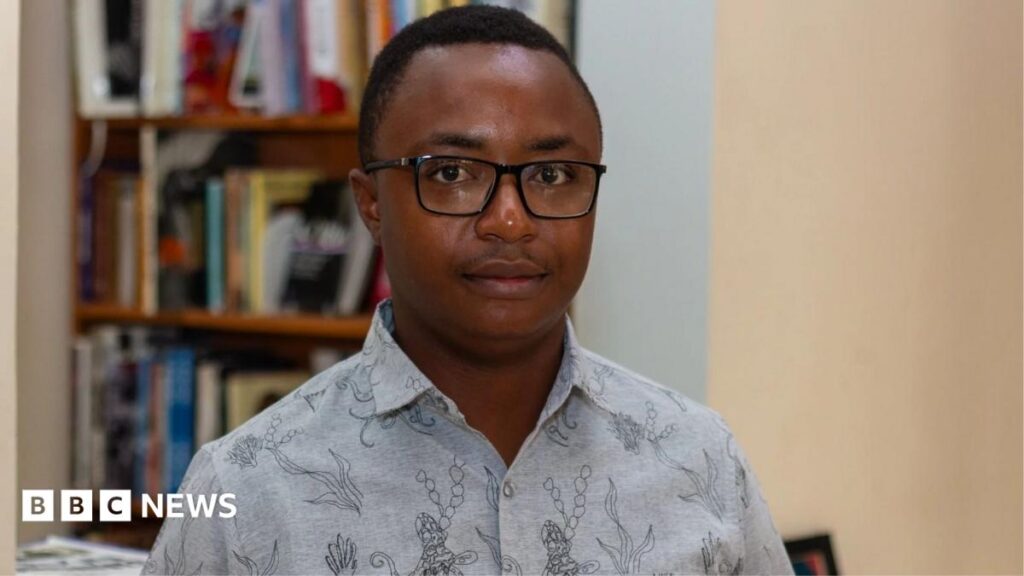
Zimbabwe author Simbarashe Kundizeza rejects AI claims over 2026 Caine Prize story
AI tools are reshaping African literary production
Over the past three years, generative‑AI platforms such as ChatGPT, Claude and localised African language models have entered the creative‑writing scene across the continent. While many writers experiment with prompts to overcome writer's block, publishers and literary festivals have begun to grapple with how to verify the provenance of submissions that now often blend human imagination with machine‑generated text.
The rise of AI has been especially pronounced in countries with limited publishing infrastructure, where digital tools can democratise access to editing, translation and marketing services. Yet the same technology also fuels anxieties about authenticity, cultural ownership and the potential marginalisation of voices that cannot afford premium AI subscriptions.
The Kundizeza controversy: award, accusation and response
Simbarashe Kundizeza, a Zimbabwean short‑story writer based in Harare, won the 2026 Caine Prize for African Writing with his piece "Echoes of the Marula Tree". The story, praised for its lyrical portrayal of post‑colonial rural life, secured a $10,000 prize and a publishing contract with a leading UK imprint.
Two weeks after the announcement, a social‑media post by an anonymous user alleged that Kundizeza had used an AI‑assisted drafting tool for the story. The claim quickly went viral, prompting heated debates on Twitter, Facebook groups for African writers, and on diaspora forums in the UK and USA. Kundizeza responded in a live‑streamed interview, insisting that the narrative was entirely his own work and that any AI usage was limited to basic grammar checks, not creative generation.
Why the accusation matters for African writers and markets
The controversy touches on the fragile trust between African authors and the global literary market. International prizes often serve as gateways to foreign publishing deals, translation rights and academic recognition. If AI‑generated content were to be perceived as the norm, it could erode the perceived uniqueness of African storytelling, making it harder for authors to command premium advances.
Moreover, many African literary grants are tied to the principle of “original, culturally grounded work”. A lingering suspicion that AI is diluting that originality could lead funding bodies to tighten eligibility criteria, potentially excluding writers who lack the resources to prove their work is AI‑free. That would disproportionately affect emerging voices from under‑served regions such as the Zambezi basin or the Sahel.
Finally, the episode raises questions about copyright and royalties. AI models trained on African literature without clear consent have already sparked legal debates in South Africa and Kenya. If a prize‑winning story were later found to contain AI‑generated passages, it could trigger complex disputes over who owns the intellectual property—the author, the AI provider, or the dataset owners.
Reactions from the literary ecosystem and the diaspora
The African Writers' Union issued a statement urging prize committees to develop transparent AI‑detection protocols, while also warning against blanket bans that could stifle legitimate digital assistance. Several prominent Nigerian authors, including Chimamanda Ngozi Adichie, tweeted that the focus should be on the story’s impact rather than the tools used to craft it.
Publishers in the UK and US have begun to pilot AI‑detection software for incoming manuscripts, but critics argue that the technology is still unreliable for works written in African vernaculars. In Nairobi, a literary startup called InkGuard announced a partnership with a local university to train models that can flag AI‑generated text while respecting linguistic nuance.
Among the Zimbabwean diaspora, community radio hosts in London and Melbourne organised panel discussions about the "authenticity paradox"—the tension between embracing technological progress and preserving cultural specificity. Many participants expressed concern that the controversy could be weaponised by political actors seeking to discredit progressive Zimbabwean voices.
What comes next: policy, detection and the future of African storytelling
In the wake of Kundizeza’s denial, the Caine Prize trustees have pledged to commission an independent audit of the 2026 shortlist, using a combination of AI‑detection tools and manual linguistic analysis. The outcome will be published in a transparency report later this year, setting a precedent for other African literary awards.
Governments and cultural ministries across the continent are also watching. South Africa’s Department of Arts and Culture is drafting guidelines that would require grant applicants to disclose any AI assistance above a defined threshold. If adopted, similar policies could spread to Zimbabwe, Ghana and Ethiopia, creating a regional framework for ethical AI use in the arts.
For writers, the episode underscores the need to document their creative process. Many are now keeping detailed writing logs, version histories and raw drafts to prove authorship if challenged. At the same time, a growing cohort of African technologists is building open‑source AI tools that are trained on locally sourced corpora, offering writers a culturally resonant alternative to commercial platforms.
Quick Answers
Who is Simbarashe Kundizeza?
Simbarashe Kundizeza is a Zimbabwean short‑story writer who won the 2026 Caine Prize for African Writing with his story "Echoes of the Marula Tree".
What award did Kundizeza's story win?
The story earned the prestigious Caine Prize for African Writing in 2026, which includes a $10,000 cash prize and a publishing contract.
Why is the AI accusation controversial?
The claim raises concerns about authenticity, potential loss of funding for African writers, and the legal complexities of AI‑generated content in the continent's literary market.
Source: www.bbc.co.uk




💬 Comments 0