Savers Value Village launches AI pricing tool in 2026 to keep thrift prices low and consistent
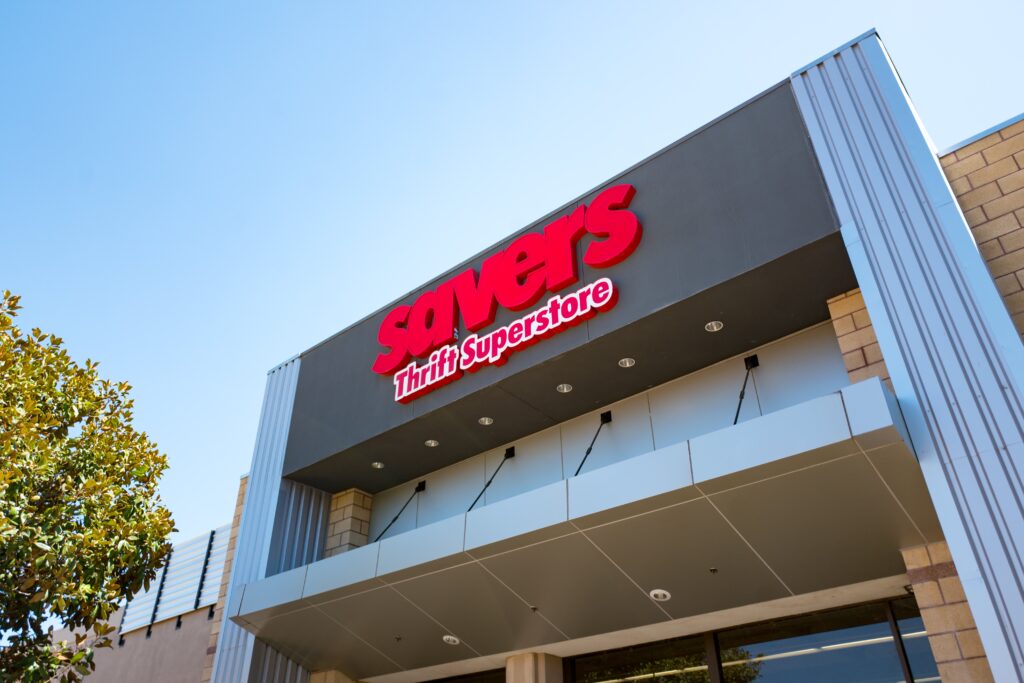
Background: The rise of thrift retail and AI
Second‑hand chains such as Savers Value Village have become a staple of North American shopping malls, offering low‑cost clothing, furniture and household goods while feeding a growing sustainability narrative. Over the past decade the sector has seen double‑digit growth, driven by budget‑conscious shoppers and an increased awareness of textile waste.
At the same time, artificial‑intelligence solutions have moved from high‑margin luxury retailers into the everyday operations of discount stores. Pricing engines that analyse sales velocity, inventory age and regional demand are now commonplace in grocery chains and fast‑fashion brands, but the thrift industry has lagged behind because of the heterogeneous nature of donated goods.
The convergence of these trends set the stage for Savers Value Village to experiment with AI. In early 2026 the company announced a pilot in three U.S. markets, testing a machine‑learning model that can suggest optimal price points for each item within seconds of it being tagged.
What the new AI tool does
The AI pricing system ingests data from the company's point‑of‑sale terminals, historical sell‑through rates, local competitor pricing and even visual cues from item photographs. By crunching these variables, the algorithm generates a price recommendation that aims to keep the item affordable while maximising the chance of a quick sale.
Store associates still have the final say, but the tool reduces the time spent manually assigning prices from minutes per item to a few seconds. According to a Savers spokesperson, the technology also flags items that have lingered on the floor for more than 90 days, prompting automatic markdowns to avoid waste.
Because the model learns from each transaction, it continuously refines its suggestions. Early results from the pilot indicate a 12 % increase in inventory turnover and a modest 3 % uplift in average basket size, while keeping the median price of clothing within the $5‑$10 range that customers expect.
Why it matters for consumers and the secondhand economy
For shoppers, consistent low pricing eliminates the guesswork that often accompanies thrift hunting, where two identical jackets might be priced $7 and $15 in the same aisle. A predictable price floor can broaden the appeal of thrift stores beyond the “treasure‑hunt” crowd to families and seniors who value transparency.
From a business perspective, the tool helps Savers maintain its core promise of affordability while reducing markdown‑related losses. Faster inventory turnover also means more space for fresh donations, which is crucial for a model that relies on a steady stream of community‑provided goods.
The environmental impact is another hidden benefit. By accelerating the movement of donated items from shelf to consumer, the AI system helps divert textiles from landfills sooner, supporting the sector’s sustainability credentials.
Implications for African markets and the diaspora
Second‑hand clothing, often called “mitumba” in East Africa and “fashions de seconde main” in West Africa, moves across continents in massive volumes. While Savers operates primarily in North America, its pricing innovations could ripple through the global resale chain that supplies African markets.
Many African retailers source bulk donations from U.S. and European thrift chains. If AI‑driven pricing makes those items sell faster, the volume of unsold stock shipped abroad could shrink, potentially raising the price of imported second‑hand garments on African streets. Small traders in Lagos, Nairobi and Accra may need to adjust their margins or diversify into locally‑produced low‑cost fashion.
Conversely, the same technology could be adapted by African resale platforms such as Thriftify (Nigeria) or Mzuri (Kenya) to standardise pricing in informal markets. By leveraging open‑source AI models, these startups could offer sellers fairer price recommendations, encouraging more consistent quality and boosting consumer confidence in the local second‑hand sector.
Reactions from industry and consumers
Retail analysts see Savers’ move as a logical next step for the discount sector. A report from Bloomberg noted that AI‑enabled pricing is becoming a “must‑have” capability for any retailer that wants to stay competitive on thin margins.
Customer sentiment has been mixed. Some shoppers on Reddit’s r/thrifting praised the reduced price variance, while others worry that algorithmic pricing could erode the “bargain‑hunter” thrill that defines thrift culture. Savers has responded by emphasising the human‑in‑the‑loop approach, assuring shoppers that staff can override the AI if a price feels off.
Labor groups have raised concerns about potential job displacement, arguing that faster pricing could reduce the need for floor staff. Savers counters that the tool frees associates to focus on customer service and donation intake, rather than repetitive price‑tagging tasks.
Looking ahead: The future of AI in thrift shopping
If the pilot continues to deliver stronger turnover, Saves Value Village plans to roll the AI engine out to all 300 U.S. locations by the end of 2027. The company is also exploring integration with its mobile app, allowing shoppers to scan an item and see the AI‑generated price history, further enhancing transparency.
Beyond pricing, AI could soon power recommendation engines that suggest complementary items, or even forecast donation trends to optimise store layout. Such capabilities would blur the line between traditional thrift stores and data‑driven e‑commerce platforms.
For African stakeholders, the key takeaway is that technology is reshaping every link in the second‑hand supply chain. Whether through higher import costs or new home‑grown AI tools, the ripple effects of Savers’ pricing engine will be felt far beyond the aisles of a Minnesota mall.
Quick Answers
What is Savers Value Village's new AI pricing tool?
It is a machine‑learning system that analyses sales data, item condition and local market factors to suggest optimal price points for each thrift item.
How could the AI tool affect second‑hand clothing prices in Africa?
Faster turnover in North American thrift stores may reduce the volume of unsold garments shipped abroad, potentially raising prices for imported second‑hand clothing in African markets.
When will the AI pricing system be available in all Savers stores?
Savers aims to roll out the technology to its entire U.S. network by the end of 2027, following a successful pilot that began in early 2026.
Source: www.cnbc.com




💬 Comments 0