Scaloni says 2026 is right for Messi’s Argentina farewell – impact on African fans
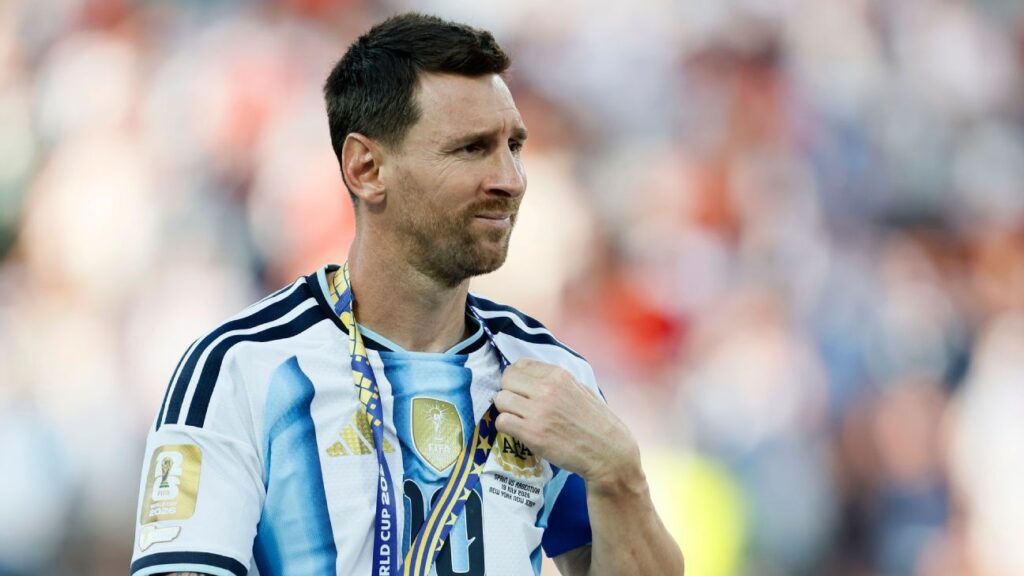
Background: Messi’s era and Scaloni’s tenure
Lionel Messi’s 17‑year spell with Argentina has been a story of record‑breaking goals, a World Cup win in 2022 and a cultural phenomenon that stretches far beyond South America. The Argentine captain has become a global brand, selling jerseys, video‑game skins and sponsorship deals in markets that include Nigeria, Kenya and South Africa, where his name is as recognisable as any local star.
Lionel Scaloni, a former midfielder turned coach, took charge of the national side in 2018 after a brief stint as an assistant. Under his guidance Argentina lifted the Copa América in 2021 and the World Cup in Qatar, cementing a partnership that many expected would last until the end of the 2026 World Cup in North America. Yet Scaloni’s own future has become uncertain, with rumors of a possible move to club management circulating in European media.
The convergence of Messi’s impending retirement and Scaloni’s job security creates a rare moment of transition for a team that has been the centerpiece of South American football for a decade. Both figures have shaped the tactical identity, commercial appeal and fan expectations of La Albiceleste.
The timing of a farewell: why now?
Scaloni told reporters that 2026 is the “right time” for Messi to step away because the World Cup offers a natural book‑end to a career that has already delivered the sport’s ultimate prize. The tournament’s location – shared between the United States, Canada and Mexico – promises massive global viewership, which could amplify Messi’s final moments on the biggest stage.
From a coaching perspective, Scaloni argues that ending Messi’s international run before the next Copa América (2027) gives Argentina a clean slate to rebuild around younger talent. The Argentine federation has already begun integrating promising forwards from the domestic league, and a post‑Messi era could accelerate that process.
The decision also reflects the financial realities of modern football. Messi’s contract, sponsorships and image rights generate a steady stream of revenue for the Argentine FA. Announcing a farewell now allows the federation to negotiate new commercial deals before the 2026 World Cup, ensuring that sponsors can capitalise on the heightened attention without the uncertainty of a sudden retirement after the tournament.
Ripple effects across African football markets
Messi’s brand is a major driver of football consumption in Africa. According to a 2024 report by the African Sports Marketing Agency, Argentina‑related merchandise accounted for 12 % of all imported football jerseys in West Africa, second only to the English Premier League. A farewell tour or farewell‑themed advertising campaign could shift those sales toward other national teams or clubs.
Broadcast rights are another key factor. African broadcasters have paid premium fees to air Argentina matches during the World Cup, betting on Messi’s global pull. With his retirement, networks may renegotiate fees, potentially lowering the cost of Argentine games and opening space for more African leagues to be featured in prime slots.
Sponsorships linked to Messi’s image – such as his partnership with Adidas and Pepsi – often include regional activation in African markets. A farewell campaign could trigger a wave of localized marketing, from limited‑edition jerseys sold in Lagos malls to community football clinics sponsored by Messi‑related charities. These activities could boost grassroots participation and provide new revenue streams for local clubs.
How the diaspora and fans are reacting
The Argentine diaspora in South Africa, Kenya and Nigeria has taken to social media with a mixture of nostalgia and optimism. A popular Facebook group for Argentines in Nairobi posted a poll that 68 % of respondents want a farewell friendly match in East Africa, hoping to bring the spectacle closer to fans who rarely travel to South America.
African‑born footballers playing in Europe, such as Nigeria’s Victor Boniface or Ghana’s Thomas Partey, have publicly praised Messi’s influence on their own development. In a recent interview with SuperSport, Boniface said Messi’s dribbling “taught us that a single player can change the rhythm of a whole game”, highlighting how the Argentine star’s style has filtered into African training curricula.
Local fan clubs in Lagos and Accra have organised viewing parties for Messi’s final international matches, partnering with cafés and sports bars. These gatherings are not just about watching football; they serve as networking hubs for young entrepreneurs who see the Messi brand as a template for building their own personal brands in the digital age.
What’s next for Argentina and African stakeholders
In the short term, Argentina will need to craft a transition plan that balances competitive ambition with commercial sustainability. The federation is expected to launch a “Next Generation” campaign that highlights emerging talents like Julian Alvarez and Lautaro Martínez, positioning them as the new faces of Argentine football for African audiences.
For African broadcasters and sponsors, Messi’s farewell is a chance to diversify content. Companies that have relied heavily on Messi‑centric advertising may pivot toward promoting local leagues, such as the South African Premier Division or the Nigerian Professional Football League, using the reduced focus on Argentina to negotiate better placement.
Long‑term, the end of Messi’s international chapter could accelerate a broader trend: African markets becoming more assertive in global football negotiations. As the continent’s consumer base continues to grow, agencies are already lobbying FIFA to allocate a larger share of World Cup revenue to African federations. Messi’s exit may simply be the catalyst that forces the global football economy to recognise Africa as a standalone commercial powerhouse rather than a peripheral audience.
Quick Answers
When is Lionel Messi expected to retire from international football?
Scaloni said 2026, coinciding with the World Cup, is the right moment for Messi’s farewell.
How will Messi’s retirement affect football fans in Africa?
It could shift merchandise sales, alter broadcast rights costs and inspire new local marketing campaigns tied to his farewell.
What does Messi’s exit mean for Argentina’s future squads?
Argentina will focus on younger stars like Julian Alvarez and Lautaro Martínez, while the federation seeks fresh commercial deals.
Source: www.espn.com




💬 Comments 0