Serbian Student Protests 2024: Decentralized Tactics African Campus Activists Can Borrow
Background: What sparked the Serbian mobilisation
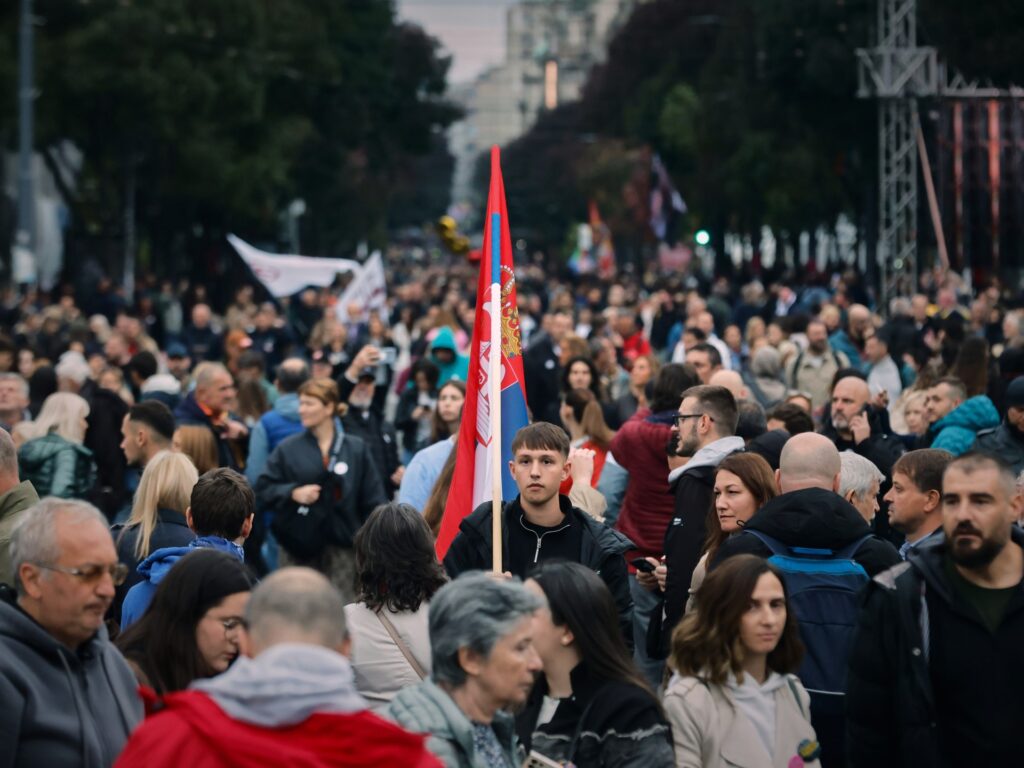
In late 2023 the Serbian government introduced a sweeping higher‑education reform that would raise tuition fees, tighten state control over university governance and curtail academic freedom. Students across Belgrade, Novi Sad and smaller towns responded with spontaneous rallies, occupying lecture halls and staging sit‑ins at the Ministry of Education. The protests quickly grew into a national movement as more than 150,000 students signed a joint declaration demanding the repeal of the bill and protection of university autonomy.
The mobilisation was not the first time Serbian students had taken to the streets; earlier demonstrations in 2019 and 2021 had been fragmented and were easily dismissed by authorities. What set the 2024 wave apart was the timing – it coincided with the country’s EU accession talks, giving the movement a diplomatic lever that previous protests lacked. By framing their cause as a matter of European standards, students attracted attention from EU officials, foreign media and diaspora networks.
The strategy that turned the tide
Rather than relying on a single student union, activists built a decentralized coalition of over 30 independent groups, each operating with its own decision‑making body but coordinated through a secure digital platform. This structure prevented the government from targeting a single leader and made the movement resilient to arrests or intimidation. Weekly video‑conferences, encrypted chat groups and crowdsourced policy papers kept participants informed and aligned on core demands.
A second pillar of the strategy was coalition‑building beyond campuses. Serbian NGOs, labour unions and even some opposition parties offered logistical support, legal advice and media access. The students also tapped into the Serbian diaspora in Germany, Austria and the United States, who amplified the message on social media and organized solidarity rallies abroad. By presenting themselves as part of a broader civil‑society push for democratic reforms, the protesters gained legitimacy that isolated student protests often lack.
Why European campuses are taking note
The success of the Serbian mobilisation has sparked a wave of analysis among European student bodies, many of which face similar pressures from rising tuition, market‑driven reforms and shrinking academic freedom. Observers note that the Serbian model demonstrates how fragmented student groups can overcome state repression without a single charismatic leader, a lesson especially relevant in countries where authorities quickly ban or co‑opt traditional unions.
Policy makers in the EU are also watching. A recent briefing paper from the European Parliamentary Research Service cited the Serbian protests as a case study for “bottom‑up governance” and suggested that funding programmes for higher education could include clauses encouraging student participation in decision‑making. If adopted, such measures could reshape the relationship between universities and governments across the continent.
The African angle: lessons for campus activists at home and abroad
African students studying in Serbia, Germany and other European hubs have reported that the Serbian tactics resonated with their own struggles against tuition hikes and the commercialization of education. In Kenya, for example, university unions are experimenting with decentralized digital tools after hearing about the Serbian experience at a recent African Youth Forum in Nairobi. The emphasis on cross‑border solidarity also mirrors the growing network of African diaspora students who can mobilise resources quickly through social media.
Back on the continent, several West African student unions are grappling with government crackdowns on protests. The Serbian example shows that a dispersed leadership model can reduce the risk of mass arrests, while partnerships with NGOs and labour groups can broaden a movement’s appeal. Moreover, the strategic framing of demands in terms of international standards – such as the African Charter on Human and Peoples’ Rights – could attract pressure from foreign donors and multilateral bodies, echoing how Serbian activists leveraged EU accession talks.
What comes next: potential ripple effects
In Serbia, the government has signalled a willingness to renegotiate the reform bill, but officials warn that any concessions will be limited. Analysts predict that the students will now shift from protest to policy‑making, using the coalition they built to monitor implementation and hold authorities accountable. The next few months will likely see a series of public hearings, joint drafting sessions and a push for a legal amendment guaranteeing university autonomy.
Beyond Serbia, the decentralized playbook is already being adapted by student groups in Bosnia, Montenegro and even in parts of the Maghreb where youth movements are seeking more influence over education policy. If the model proves durable, we may witness a new era of transnational student activism that blurs the line between campus issues and broader democratic reforms, offering African and diaspora students a fresh template for change.
Quick Answers
What were the main demands of the 2024 Serbian student protests?
Students demanded the repeal of a tuition‑increase bill, protection of university autonomy and safeguards for academic freedom.
Which tactic was key to the Serbian mobilisation’s success?
A decentralized coalition of independent student groups coordinated through secure digital platforms and allied with NGOs, unions and the diaspora.
How can African student unions apply the Serbian strategy?
By forming loosely connected networks, using encrypted online tools for coordination, and partnering with civil‑society organisations to broaden support.
Source: www.aljazeera.com




💬 Comments 0