Sharpeville massacre survivors launch 2026 legal battle for reparations in South Africa
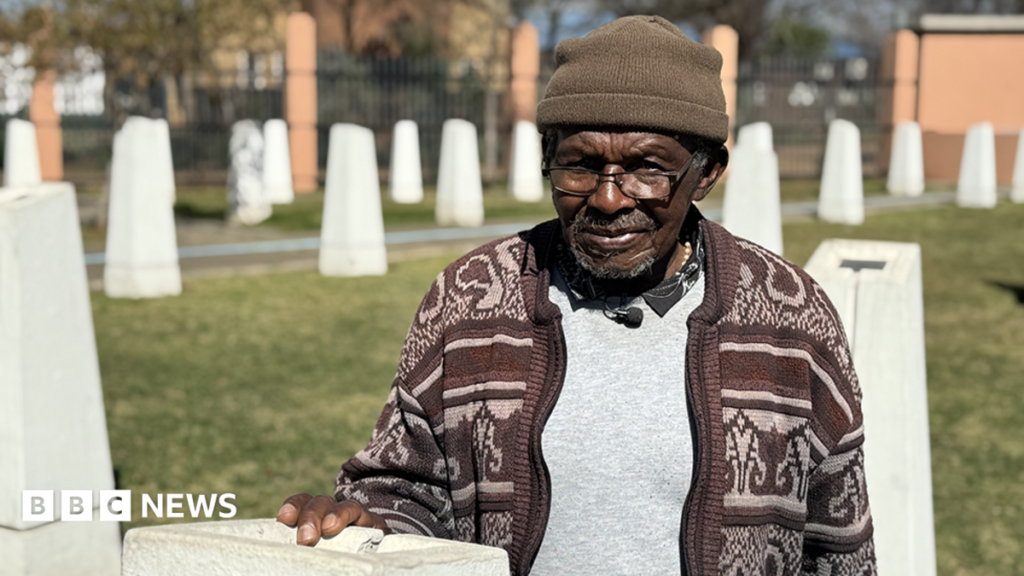
A painful chapter in South Africa’s history
On 21 March 1960, police opened fire on a crowd of black South Africans protesting the pass laws outside the Sharpeville police station, killing 69 people and wounding more than 180. The massacre shocked the world, prompting the United Nations to condemn apartheid and marking a turning point in the anti‑colonial struggle. Yet, despite the international outcry, no one was ever held criminally responsible, and the victims’ families were left with only a symbolic memorial.
The apartheid regime later granted a modest compensation package in the 1990s, but many survivors argue that the amount was far below the cost of lost lives, trauma, and the socioeconomic disruption that followed. Over the decades, the memory of Sharpeville has been kept alive through annual commemorations, school curricula, and the work of activist groups that have pressed for a fuller acknowledgment of state culpability.
In recent years, South Africa’s Truth and Reconciliation Commission (TRC) revisited Sharpeville, documenting testimonies and recommending reparations. However, the TRC’s limited mandate and the subsequent political fatigue meant that concrete restitution never materialised, leaving a legal vacuum that the 2026 lawsuit now seeks to fill.
The new legal fight: who is suing and what they want
A coalition of 23 surviving victims and the families of those killed, coordinated by the legal advocacy group Justice for Sharpeville, filed a civil case in the High Court of Gauteng in July 2026. The plaintiffs, many now in their eighties, are represented by senior counsel Thabo Mokoena, who says the suit aims to secure “full state accountability and monetary reparations for the surviving victims and the estates of the deceased”.
The claim seeks three main outcomes: a formal state apology, a financial compensation package calculated on a per‑victim basis, and the establishment of a community development fund in the township of Sharpeville to support education and health services. According to the filing, the plaintiffs argue that the 1990s compensation was calculated on outdated economic metrics and failed to consider inflation, lost earnings, and intergenerational trauma.
The government, through the Department of Justice, has responded cautiously, stating that “the state will review the application in line with existing legal frameworks and the Constitution”. Sources close to the ministry say that officials are weighing the political risk of a courtroom defeat against the potential for renewed public pressure on the ruling African National Congress (ANC).
Why the case matters now: transitional justice and the rule of law
South Africa has long positioned itself as a global exemplar of transitional justice, yet the Sharpeville lawsuit exposes the limits of that narrative. Legal scholars such as Prof. Lindiwe Nkosi of the University of Cape Town argue that the case tests whether the country’s post‑apartheid legal architecture can still address historic wrongs that were previously deemed “political questions”.
If the court orders substantial reparations, it could set a precedent for other unresolved apartheid‑era atrocities, including the 1976 Soweto uprising and the 1985 township massacres. Conversely, a dismissal might reinforce the perception that the state has drawn a line under its violent past, potentially eroding public confidence in the judiciary’s willingness to confront entrenched power structures.
The lawsuit also arrives at a moment when South Africa’s constitutional court is grappling with a backlog of human‑rights cases, from land restitution to gender‑based violence. A decisive ruling on Sharpeville could either free up judicial resources by providing a clear legal framework for future claims or add another layer of complexity to an already strained system.
Regional ripple effects: African reparations movements and diaspora activism
Across the continent, a wave of reparations demands is gaining momentum, from Kenya’s Mau Mau claims to Rwanda’s genocide survivors seeking restitution from French corporations. The Sharpeville case is being watched closely by these movements, as it could demonstrate how post‑colonial states can be held financially responsible for state‑sponsored violence.
In the Nigerian diaspora, community organisations such as the African Justice Network have cited the South African filing in their own petitions for reparations related to the Biafran war. According to a statement released by the network, “the Sharpeville lawsuit provides a legal template for African victims to demand accountability from governments that have long evaded responsibility”.
Moreover, the case has sparked a surge of social‑media activism among younger South Africans and diaspora youths, who are using hashtags like #SharpevilleJustice and #ReparationsNow to pressure both the courts and the ANC. This digital mobilisation mirrors similar campaigns in Ghana, where activists have successfully lobbied for the return of stolen cultural artifacts.
What lies ahead: possible outcomes and political calculations
The High Court is expected to deliver a preliminary judgment on the admissibility of the claim by early 2027. If the case proceeds to full trial, experts estimate a timeline of two to three years, given the need for extensive historical evidence, expert testimony on economic loss, and possible appeals.
Politically, the ANC is navigating a delicate balance. On one hand, the party’s legacy is intertwined with the anti‑apartheid struggle, and acknowledging Sharpeville’s victims could reinforce its moral authority. On the other, the party faces fiscal pressures and a fragmented electorate; a large compensation payout could be portrayed by opposition parties as fiscal irresponsibility.
Internationally, the outcome could influence how multilateral bodies, such as the United Nations Human Rights Council, assess state‑level reparations claims. A landmark ruling in favour of the plaintiffs would likely encourage other nations to revisit their own unresolved atrocities, while a dismissal could embolden governments to maintain the status quo. For South Africa, the case is a litmus test of whether its post‑apartheid promise of “justice for all” can survive the test of time.
Quick Answers
What was the Sharpeville massacre?
The Sharpeville massacre occurred on 21 March 1960 when South African police shot 69 protestors and injured over 180 during an anti‑pass‑law demonstration.
What are the Sharpeville survivors seeking in the 2026 lawsuit?
They are demanding a formal state apology, monetary compensation for victims and families, and a community development fund for Sharpeville.
How could the Sharpeville case affect other African reparations movements?
A successful ruling could set a legal precedent for other historic‑abuse claims across Africa, encouraging similar lawsuits and strengthening diaspora activism.
Source: www.bbc.co.uk




💬 Comments 0