Sheikh Jingir’s ‘Christian wife’ remark on President Tinubu fuels Nigeria’s religious‑political clash, 2026
Background: Nigeria’s delicate faith‑politics balance
Since the return to civilian rule in 1999, Nigeria has navigated a fragile equilibrium between its roughly 50 % Christian and 50 % Muslim populations. Presidents have traditionally courted both blocs, often through symbolic gestures such as inter‑faith appointments or public prayers that include clergy from each side.
President Bola Ahmed Tinubu, inaugurated in May 2023, broke with some of that tradition by marrying Remi Tinubu, a well‑known Christian philanthropist, and by appointing her to several high‑profile charitable boards. Their only son, Seyi Tinubu, is a visible figure in the country’s burgeoning tech and entertainment scenes, further cementing the family’s cross‑religious profile.
The controversial comment from Sheikh Jingir
During a Friday sermon in Kano, the influential Salafi cleric Sheikh Abdul‑Rahman Jingir asked, “I wonder how Tinubu’s Christian wife and son will feel when we speak the truth about our faith.” The remark, aired live on several Nigerian TV channels, was quickly picked up by social media and interpreted as a direct challenge to the president’s family.
Sheikh Jingir, who has a history of issuing sharp political statements, framed his comment as a warning that the administration’s “Muslim‑Muslim” agenda would marginalise Christians. He did not name any policy, but his phrasing implied that the president’s personal ties to Christianity could become a point of contention.
Political fallout: Baba Yusuf’s intervention and party calculations
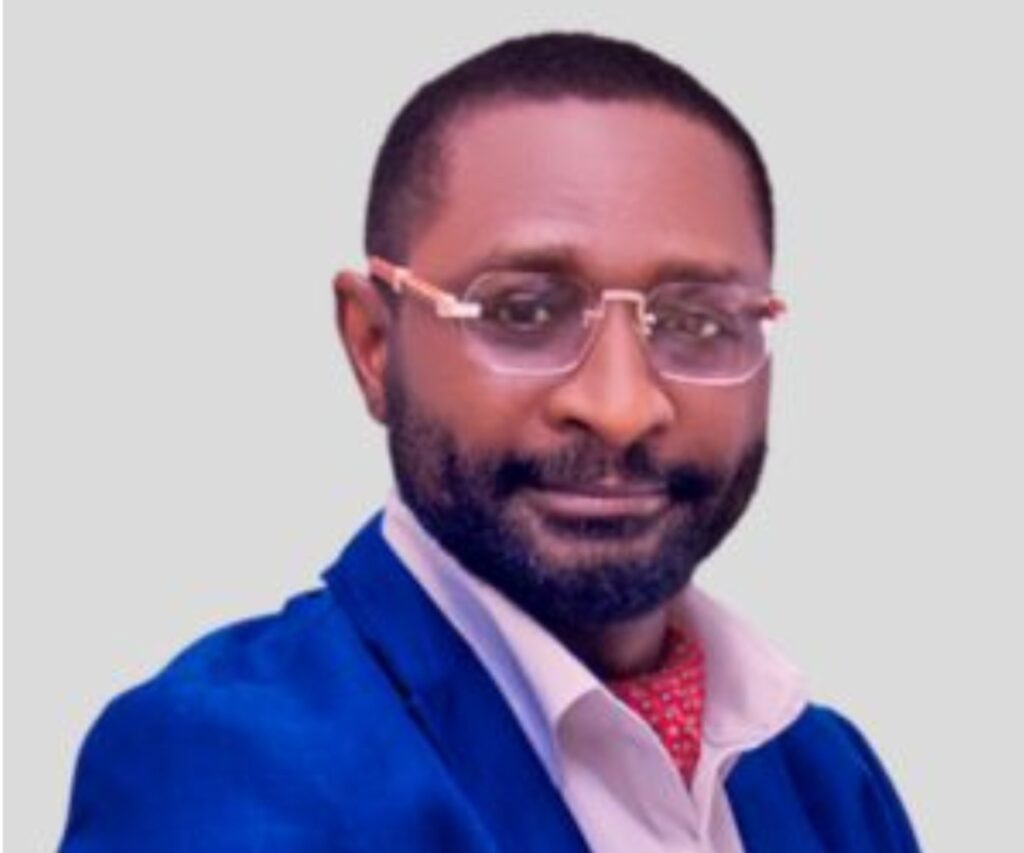
Political strategist Baba Yusuf, a senior adviser to the All‑Progressives Congress (APC), responded on Arise News, expressing concern for how Remi Tinubu and Seyi Tinubu might feel about the cleric’s words. Yusuf warned that such rhetoric could alienate Christian voters in the pivotal South‑West and South‑East zones, where the APC is already struggling to maintain traction.
Inside the party, sources say the comment has triggered a quiet debate. Some APC lawmakers fear that allowing a high‑profile cleric to criticize the president’s family could embolden opposition parties to paint the government as intolerant, while others argue that the cleric’s popularity among northern constituencies cannot be ignored.
Wider religious‑political dynamics and the diaspora lens
The incident highlights a growing pattern: clerics leveraging mass media to shape national politics. Over the past decade, figures like Sheikh Jibril Kashim and Sheikh Abubakar Malam have used televised sermons to endorse candidates or denounce policies, blurring the line between religious authority and political lobbying.
For Nigerians abroad, especially those in the United Kingdom and the United States, the episode is a reminder that domestic religious tensions can spill over into diaspora community politics. Churches and mosques in the diaspora have already begun issuing statements, with some Christian bodies urging the Tinubu administration to reaffirm its commitment to religious freedom, while several Muslim organisations caution against inflaming sectarian sentiment.
What comes next: possible legal, electoral and social repercussions
Legal scholars note that Nigeria’s constitution protects freedom of speech, but it also criminalises hate speech that threatens public order. Human rights NGOs have said they will monitor any escalation from clerical commentary to incitement, and they may file complaints if the rhetoric translates into violence against Christian communities.
Electorally, the comment could become a bargaining chip in the 2027 presidential race. Opposition candidates are likely to cite the Sheikh’s words as evidence of the ruling party’s failure to protect minority rights, while the Tinubu camp may double‑down on inter‑faith outreach to neutralise the narrative. In the short term, security agencies have reportedly increased patrols around churches in the north‑central states to pre‑empt any flashpoints.
Quick Answers
Who is Sheikh Jingir and why does his opinion matter in Nigerian politics?
Sheikh Abdul‑Rahman Jingir is a prominent Salafi cleric whose sermons are broadcast nationwide, giving him a large following that can influence public opinion and voter behaviour.
How might the comment affect President Tinubu’s relationship with Christian voters?
The remark risks alienating Christian voters, especially in the South‑West and South‑East, by suggesting the president’s family could be a target of religious bias, which opposition parties may exploit.
Will the Sheikh’s statement lead to legal action?
While free speech is protected, Nigerian law bans hate speech that incites violence; NGOs say they will watch for any escalation that could trigger legal complaints.
Source: dailypost.ng



💬 Comments 0