Somali piracy jumps to 13 attacks by August 2026 as US‑Iran war fuels Gulf of Aden insecurity
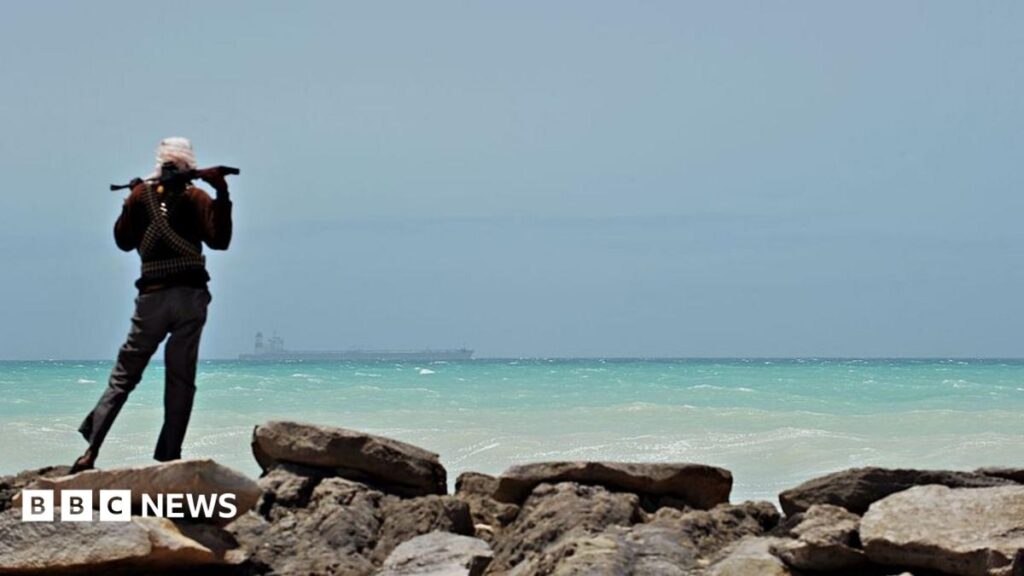
Background: piracy, the Gulf of Aden and the US‑Iran conflict
Piracy off Somalia’s coast has ebbed and flowed for two decades, spiking after 2008 when weak central authority and lucrative oil routes attracted armed groups. International naval patrols, notably the EU’s Operation Atalanta and the US‑led Combined Task Force 151, drove incidents down to historic lows by 2022.
In early 2026, the United States and Iran entered a direct military confrontation after a series of retaliatory strikes in the Persian Gulf. The clash forced many naval assets to redeploy from the Horn of Africa to protect oil platforms and shipping lanes closer to the Strait of Hormuz, leaving a vacuum in the Gulf of Aden.
The recent surge: 13 attacks in the first eight months of 2026
According to the International Maritime Bureau, 13 vessels were targeted between January and August 2026 – the highest tally since 2011. Two merchant ships were actually seized in a four‑day window last week, a development not seen since the early piracy boom.
The seized vessels, a Greek‑flagged bulk carrier and a Liberian‑flagged container ship, were forced to sail to a small port in southern Somalia where armed crews demanded ransom. Both ships were released after payments reportedly exceeding $3 million each, according to sources close to the owners.
Why it matters for Africa and global trade
The Gulf of Aden is a lifeline for East African economies. Kenya, Tanzania and Djibouti rely on the passage for over 70 % of their export‑import traffic. A spike in piracy drives up insurance premiums – Lloyd’s of London raised the war‑risk surcharge for the region by 45 % in July, a cost that is ultimately passed to shippers and, by extension, African consumers.
Higher freight rates also threaten the competitiveness of African agricultural products in Europe and Asia. Small‑scale exporters in Uganda and Rwanda, which use the port of Mombasa as a gateway, could see margins shrink, jeopardising livelihoods that depend on timely, affordable shipping.
Regional reactions and the scramble for security
Kenyan President William Ruto’s office announced a $150 million boost to the Kenya Maritime Authority, aimed at expanding coastal radar and hiring additional patrol boats. The move mirrors a broader East African push for “home‑grown” security after critics argued that foreign naval forces were leaving too soon.
At the same time, the African Union’s Peace and Security Council called for a joint task force, citing the “spill‑over effect” of the US‑Iran war. NGOs such as the International Maritime Law Association warned that without coordinated intelligence sharing, pirate groups could become more sophisticated, potentially targeting offshore oil rigs off the Somali coast.
What’s next: diplomatic channels, naval options and the African outlook
Diplomatically, the United Nations is urging a cease‑fire between Washington and Tehran, emphasizing that any escalation will further destabilise maritime routes vital to African trade. If hostilities subside, naval assets are expected to return to the Gulf of Aden by early 2027, according to a statement from the US Navy.
In the meantime, African maritime states are trialling a regional “quick‑response” framework that combines satellite monitoring with rapid‑deployment crews from Kenya, Tanzania and Djibouti. If successful, the model could become a template for other high‑risk corridors, reducing reliance on extra‑regional forces and creating jobs for local seafarers.
Quick Answers
How many ships have been attacked by Somali pirates in 2026?
Thirteen vessels have been targeted between January and August 2026, according to the International Maritime Bureau.
Why has piracy increased after the US‑Iran war began?
Naval assets were diverted to protect oil routes in the Persian Gulf, leaving fewer patrols in the Gulf of Aden and creating a security gap that pirates have exploited.
What impact does the piracy surge have on East African economies?
Higher insurance premiums and freight rates raise shipping costs for exporters in Kenya, Tanzania, Uganda and Rwanda, squeezing profit margins and potentially slowing trade growth.
Source: www.bbc.co.uk




💬 Comments 0