South Africa police discover 10th woman’s body in 2026 killings, fueling gender‑based violence outcry
A grim backdrop: gender‑based violence in South Africa
South Africa has long grappled with alarmingly high rates of violence against women. Official statistics show that a woman is murdered roughly every 10 hours, a figure that has barely budged over the past decade despite numerous policy interventions. The problem is not limited to homicide; intimate‑partner abuse, sexual assault, and femicide are pervasive, creating a climate of fear that affects communities from Cape Town to the Limpopo province.
The roots of this crisis are complex, intertwining socioeconomic inequality, entrenched patriarchal norms, and a criminal justice system that often fails to deliver swift accountability. Analysts point to the legacy of apartheid‑era policing, which left many communities distrustful of law enforcement, as a factor that hampers effective response to gender‑based crimes. Moreover, a shortage of specialized forensic units means many cases stall before reaching trial.
The latest discovery: tenth victim unearthed
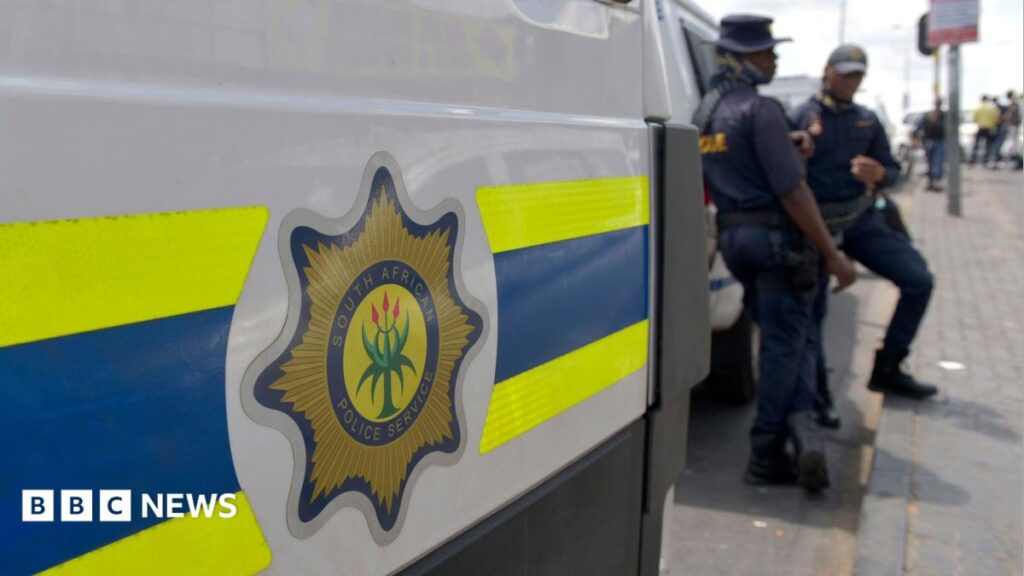
In early September 2026, police in the Eastern Cape announced the recovery of the tenth woman's body linked to a string of unsolved killings that have haunted the province for months. The victim, identified as 27‑year‑old Thandiwe Mthembu, was found in a shallow grave near a rural settlement, her remains bearing signs of severe trauma. Authorities say the case is part of a broader investigation that began after the first body was discovered in March.
While the police have not publicly named a suspect, they have confirmed that forensic evidence suggests a single perpetrator may be responsible for all ten deaths. The investigation has prompted a surge of public protests, with thousands gathering in Johannesburg, Durban, and smaller towns to demand decisive action. Human‑rights groups have condemned what they describe as “a pattern of indifference” by the state toward women’s safety.
Why the case matters beyond the headlines
Beyond the immediate tragedy, the tenth killing underscores a failure of systemic safeguards that were supposed to protect women. The South African government launched a National Strategic Plan on Gender‑Based Violence (GBV) in 2020, pledging increased funding for shelters, hotlines, and community policing. Yet budget allocations have lagged, and many of the promised reforms remain on paper, according to a 2025 audit by the Office of the Auditor‑General.
The current outcry is also reshaping political discourse. Opposition parties are leveraging the case to press the ruling African National Congress (ANC) for a parliamentary inquiry, while some ANC members argue that the focus should shift to community‑led interventions. The debate reflects a broader tension in South African politics: whether top‑down legislation can effectively curb a problem that is deeply embedded in cultural attitudes and local power dynamics.
Regional ripple effects and the African diaspora’s response
The wave of protests has resonated across the continent, with activists in Nigeria, Kenya, and Ghana invoking South Africa’s tragedy to highlight similar patterns in their own societies. In Lagos, a coalition of women's rights NGOs organized a virtual rally that drew over 30,000 participants, many of whom are part of the African diaspora living in the United Kingdom and the United States. These diasporic groups are using social media to amplify calls for a pan‑African conference on GBV, arguing that the issue requires coordinated regional policies.
For the diaspora, the case also raises concerns about safety for African women abroad, who often face intersecting forms of discrimination. Community organisations in cities such as Toronto and Paris have issued alerts, urging their members to support local shelters and legal aid services that cater to African women fleeing violence. The heightened visibility of South Africa’s crisis thus fuels a transnational solidarity network that could pressure governments beyond the continent to adopt stricter protections.
What comes next: investigations, reforms, and citizen action
The police have pledged to fast‑track the investigation, with the Minister of Police announcing the deployment of a specialized gender‑based violence task force by the end of the month. If successful, the task force could set a precedent for other provinces, where similar killings have been reported but remain under‑investigated. However, experts warn that without sustained political will and community involvement, any gains may be short‑lived.
Civil society is already mobilising for a longer‑term response. The Women’s Legal Centre has launched a legal‑aid fund to support families of the victims, while youth organisations are planning a nationwide “Walk for Safety” campaign scheduled for October. International donors, including the European Union and the United Nations Development Programme, have signalled readiness to fund capacity‑building for forensic labs, a move that could address one of the systemic gaps identified in recent audits.
Quick Answers
How many women have been found dead in the recent South Africa killings?
Ten women have been discovered dead in the series of murders that police are linking together as of September 2026.
What is the South African government's immediate response to the case?
The government announced the creation of a specialized gender‑based violence task force and promised a parliamentary inquiry into the killings.
How are African diaspora communities reacting to the South Africa GBV crisis?
Diaspora groups are organising virtual rallies, supporting African‑focused shelters abroad, and calling for a pan‑African conference on gender‑based violence.
Source: www.bbc.co.uk



💬 Comments 0