South Africa twin mass shootings 27 dead: gang violence surge, economic fallout and policy crossroads in 2026
Background: a nation grappling with rising gun crime
South Africa has long wrestled with a high homicide rate, but the past two years have seen a sharp uptick in gang‑related shootings, especially in the Gauteng and KwaZulu‑Natal provinces. According to the South African Police Service, gun‑related murders rose by 14 % in 2025, a trend analysts link to the proliferation of illegal firearms after the 2020 amnesty programme fell short of its targets.
The surge has been fueled by a mix of factors: a booming illicit drug market, the fragmentation of traditional crime syndicates into smaller, more volatile groups, and a faltering justice system that struggles to secure convictions. Experts warn that without decisive intervention, the cycle of retaliation could spill over into previously low‑crime suburbs, threatening the broader social fabric.
The twin attacks: a timeline of the tragedy
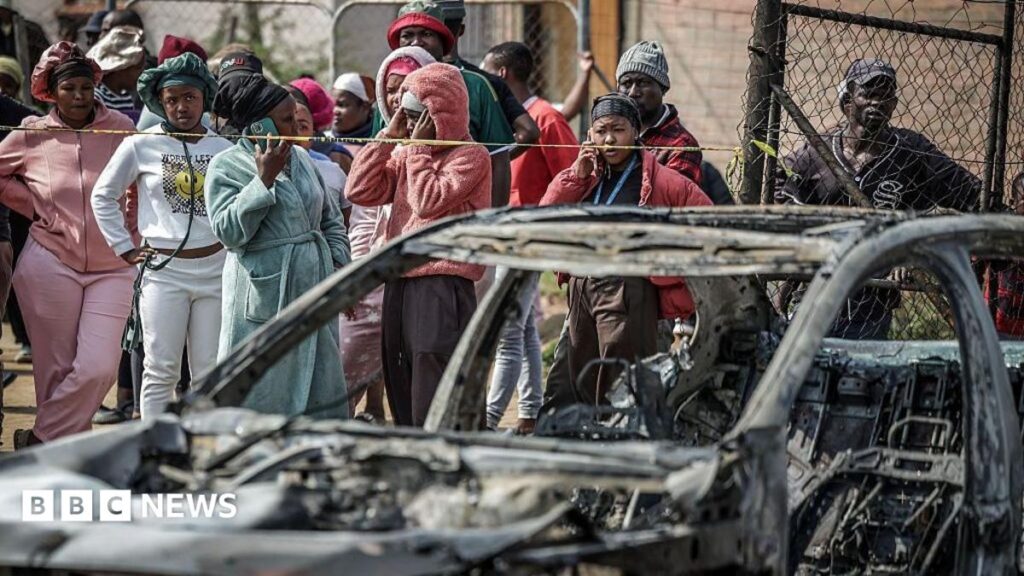
In the early hours of 26 September 2026, two separate mass shootings ripped through the townships of Soweto and Umlazi, leaving a combined death toll of 27 and injuring dozens more. The first incident, reported at 02:15 GMT, occurred at a popular shebeen where patrons were celebrating a local football victory; a gunman opened fire indiscriminately, killing 15. Roughly five hours later, a second gunman entered a crowded market in Umlazi, unleashing a barrage of bullets that claimed 12 lives.
Police investigations quickly linked both attacks to rival gang factions vying for control over lucrative drug routes that intersect the two locations. While no official motive has been confirmed, sources close to the investigation told local media that the shootings appear to be a coordinated retaliation for a recent turf dispute that escalated in the weeks prior.
Why the shootings matter for South Africa’s security policy
The twin incidents have reignited a national debate on the adequacy of South Africa’s current firearms legislation and policing strategy. President Cyril Ramaphosa, speaking at a press briefing on 27 September, promised a “zero‑tolerance” approach, signalling potential amendments to the Firearms Control Act that could tighten licensing and increase penalties for illegal possession. Critics argue that legislative tweaks alone will not curb the flow of weapons, which often cross porous borders from neighboring countries such as Zimbabwe and Mozambique.
Security analysts also point to a deeper structural issue: the chronic under‑funding of community policing units. A 2025 audit by the Auditor‑General revealed that only 38 % of the allocated budget for township policing was actually spent, leaving many precincts without sufficient personnel or equipment. If the government does not address these systemic gaps, the risk of further mass‑casualty events remains high.
Economic ripple effects: investors, tourism and the diaspora
Beyond the human tragedy, the shootings have immediate economic implications. The Johannesburg Stock Exchange saw a 0.7 % dip in the Financial Services index on the day of the attacks, reflecting investor anxiety over safety and potential disruptions to logistics corridors that pass through the affected townships. Moreover, the tourism board warned that repeated high‑profile violence could deter the influx of overseas visitors, a sector that contributed roughly 3 % of GDP in 2025.
For South Africans living abroad, the events have sparked renewed concern over family safety and the viability of remittance flows. Diaspora community groups on platforms such as WhatsApp and Facebook reported a surge in inquiries about evacuation assistance and insurance claims, underscoring how domestic insecurity can reverberate through transnational networks.
Responses and the road ahead: civil society, government and community action
Civil society organisations have mobilised quickly, with groups like the Treatment Action Campaign and the South African Human Rights Commission demanding transparent investigations and victim support. In a joint statement, they called for a national task‑force that includes community leaders, victims’ families, and security experts to devise a holistic response that goes beyond policing.
The government’s next steps will likely hinge on balancing punitive measures with community‑based interventions. Recent pilots in Cape Town’s informal settlements, which paired youth mentorship programmes with job‑creation schemes, have shown promise in reducing recruitment into gangs. If scaled nationally, such initiatives could address the root causes of violence that fuel incidents like the September shootings, offering a longer‑term path to stability.
Quick Answers
How many people were killed in the two South Africa shootings on 26 September 2026?
A total of 27 people died—15 in Soweto and 12 in Umlazi.
What has the South African government said it will do after the attacks?
President Cyril Ramaphosa pledged a zero‑tolerance stance, hinting at stricter gun laws and a review of township policing budgets.
Why do the shootings matter for South African investors and the diaspora?
The violence triggered a dip in market confidence, raised safety concerns for tourists, and prompted diaspora communities to seek assistance for family protection and remittance security.
Source: www.bbc.co.uk




💬 Comments 0