Two dead, ten guides missing after Himlung Himal avalanche in Nepal 2026
Background: The Himalayan climbing season and Nepal’s tourism engine
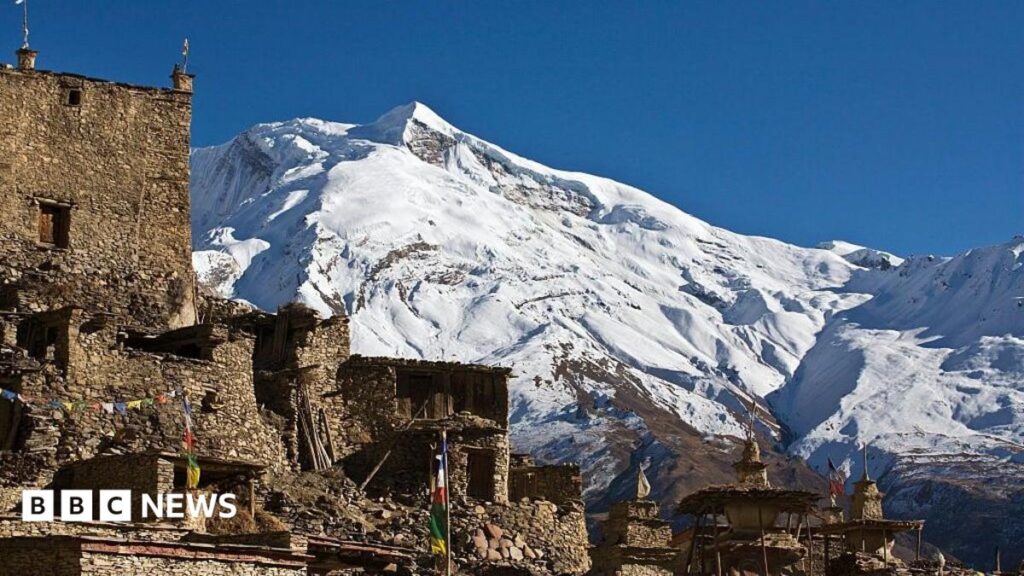
Every spring and autumn, the Himalayas attract a steady stream of climbers, trekkers and adventure agencies from around the world. The Himlung Himal peak, though less famous than Everest, is a popular objective for mid‑level expeditions because it offers technical routes without the extreme crowding of the world’s highest summit. Local Sherpa and guide cooperatives depend on these trips for a sizable share of their annual income, which in turn fuels villages that lack alternative cash‑flow sources.
In recent years, Nepal has been promoting “responsible adventure tourism” to diversify its earnings beyond the traditional trekking corridors. The government estimates that high‑altitude climbing contributes roughly $200 million to the national economy each year, a figure that includes fees paid to guide associations, permits, and the ancillary spending on transport, food and accommodation.
At the same time, climate scientists have warned that the Himalayas are experiencing more erratic snowfall patterns and rapid glacial melt. A 2023 report from the International Centre for Integrated Mountain Development linked rising avalanche risk to warming winter temperatures, a trend that is now influencing how agencies plan routes and schedule expeditions.
The avalanche event: What happened on the mountain
On 24 September 2026, a group of twelve climbers and ten Nepalese guides set out from the base camp at the foot of Himlung Himal. According to the Nepalese Ministry of Tourism, the party was caught in a sudden slab avalanche triggered by a rapid temperature rise that destabilised a freshly deposited snowpack. Rescue teams later recovered two bodies – identified as a Japanese climber and a Nepali guide – while the remaining ten guides were reported missing.
Local rescue officials, assisted by the Nepalese Army’s Mountain Warfare Division, deployed helicopters and trained dogs to scour the avalanche zone. The search was hampered by ongoing snowfall and steep terrain that made ground access treacherous. By 27 September, the operation was still ongoing, with officials saying that the missing guides could be buried under several meters of compacted snow.
The incident has revived long‑standing concerns among mountaineering operators about the adequacy of safety briefings and the reliability of weather forecasts in remote regions. A spokesperson for the Nepal Mountaineering Association told reporters that the group had received a standard weather advisory, but that “micro‑climatic shifts on the mountain can outpace even the most sophisticated models,” according to the association’s chief.
Immediate consequences: Families, agencies and the rescue effort
The two confirmed deaths have already sent shockwaves through the close‑knit guide community in the Manang district, where many families rely on a single guide’s earnings to support extended relatives. Local NGOs have pledged emergency cash assistance, while the government has announced a one‑time compensation package for the families of the deceased, a move that mirrors similar payouts after the 2015 Everest avalanche.
International tour operators that had booked the expedition are now facing a wave of cancellations and refund requests. A UK‑based adventure travel company, which had partnered with a Nepali guide agency for the trip, said it would suspend all bookings to Himlung Himal until a full safety audit is completed. The company’s CEO, Sarah Whitaker, warned that “the reputational risk for agencies that ignore evolving avalanche data is too high to ignore.”
The ongoing search has also highlighted the limited capacity of Nepal’s high‑altitude rescue infrastructure. While the army’s Mountain Warfare Division is well‑trained, the sheer number of simultaneous rescue missions during the peak season strains resources. Experts have called for greater investment in satellite‑based early‑warning systems and the establishment of more locally staffed rapid‑response teams.
Why it matters for African adventurers and the diaspora
African tourists have increasingly turned to the Himalayas for high‑altitude challenges, with agencies in Kenya, South Africa and Nigeria offering “Everest Base Camp” and “Himalayan peak‑bagging” packages. The Himlung Himal tragedy could prompt these operators to re‑evaluate risk assessments, especially as many African travelers lack comprehensive travel insurance that covers avalanche‑related rescues.
Insurance firms based in Lagos and Nairobi have already issued alerts, urging clients to verify that their policies include high‑altitude rescue and repatriation clauses. According to a spokesperson for African Risk Solutions, “the cost of a full evacuation from a remote Himalayan site can exceed $30,000, a figure that many travelers are unprepared for.” This financial reality may deter some African trekkers, potentially reducing the flow of high‑spending tourists to Nepal.
Beyond the immediate financial implications, the incident underscores a broader narrative about African participation in global adventure sports. A growing number of African mountaineers are seeking to break records on peaks like Kilimanjaro and the Andes, and the Himalayas represent the next frontier. If safety standards are not harmonised internationally, African climbers could face disproportionate barriers to entry, reinforcing a historic inequity in who gets to climb the world’s highest mountains.
Looking ahead: Policy shifts, climate adaptation and market responses
In the wake of the avalanche, the Nepalese government has pledged to tighten permit procedures for lesser‑known peaks. Draft regulations, leaked to local media, propose mandatory avalanche‑risk briefings for every guide‑client pair and the requirement that all expeditions carry portable GPS beacons. If enacted, these rules could raise operating costs for small guide cooperatives but also improve safety outcomes.
Climate adaptation is likely to become a central theme of future tourism strategies. The Ministry of Tourism is reportedly collaborating with the World Meteorological Organization to install automated snow‑pack sensors along popular climbing corridors. Such data could feed into a real‑time alert system accessible to both Nepali guides and foreign tour operators, reducing the element of surprise that contributed to the September disaster.
For African travel agencies, the incident may accelerate the shift toward hybrid tour models that combine Himalayan trekking with safer, lower‑altitude experiences in the Indian subcontinent or East Africa. Some firms are already marketing “dual‑continent adventure packages” that pair a brief Himalayan trek with a safari in Tanzania, offering a diversified risk profile while still appealing to high‑adrenaline seekers.
Quick Answers
How many people were confirmed dead in the Himlung Himal avalanche?
Two bodies – a Japanese climber and a Nepali guide – were recovered by rescue teams.
Who are the missing individuals after the avalanche?
At least ten Nepalese guides who were part of the climbing party remain unaccounted for.
What impact could the avalanche have on African tourists planning Himalayan trips?
It may lead to stricter safety briefings, higher insurance premiums, and a possible shift toward alternative adventure destinations for African travelers.
Source: www.bbc.co.uk




💬 Comments 0