Switzerland voters reject neutrality amendment restricting UN sanctions, 2026 vote
Background: Switzerland’s historic neutrality
Since the early 19th century, Switzerland has built its international identity on a policy of armed neutrality, refusing to take sides in armed conflicts and avoiding formal alliances. This stance was codified after the Napoleonic wars and later reinforced by the 1815 Congress of Vienna, giving the country a reputation as a safe haven for diplomacy, humanitarian work, and finance.
Neutrality has allowed Switzerland to host the United Nations office in Geneva, the International Committee of the Red Cross, and countless multilateral negotiations. In practice, the principle means the Swiss government does not impose unilateral sanctions unless they are mandated by the UN Security Council, a rule that has shaped its foreign‑policy toolbox for decades.
The 2026 referendum and what the amendment sought
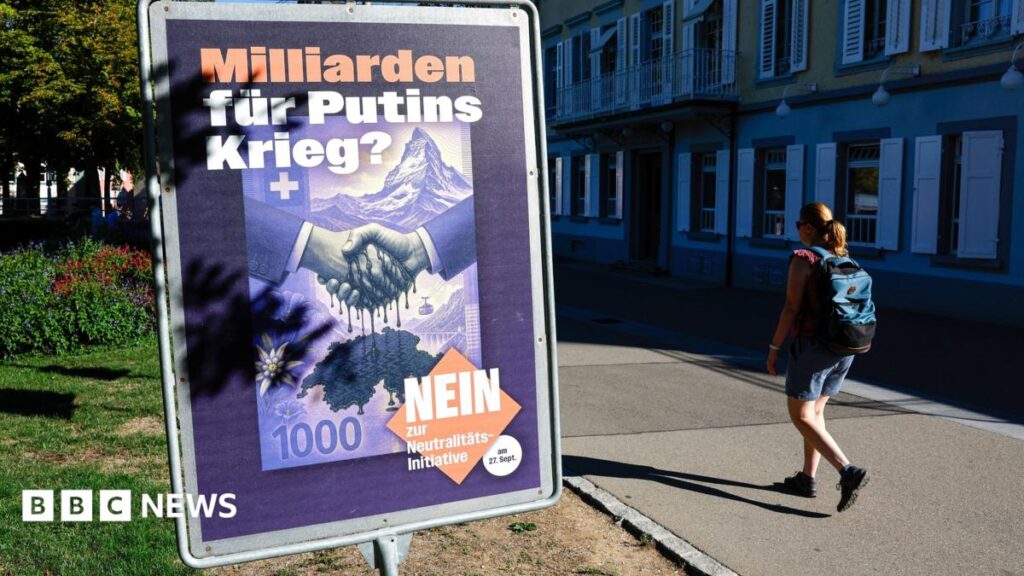
In a June 2026 popular vote, Swiss citizens were asked to approve a constitutional amendment that would tighten the definition of neutrality. The proposal required any sanctions against a third country to be explicitly approved by the United Nations before Swiss authorities could act, effectively barring the nation from joining EU‑led measures that lack a UN mandate.
Proponents argued that the amendment would protect Switzerland from being dragged into geopolitical rivalries, especially in the wake of the Russia‑Ukraine war. Critics warned it would limit Switzerland’s ability to respond to human‑rights violations and could weaken its standing in multilateral forums that rely on coordinated sanctions.
The final tally showed 55.4% voting against the amendment, meaning the existing, more flexible interpretation of neutrality remains in place. Voter turnout was around 45%, reflecting a moderate level of public engagement with the issue.
Why the vote matters for African nations and the diaspora
African countries often feel the ripple effects of European sanctions, especially when they target commodities that flow through Swiss trading hubs. For example, sanctions on Russian oil have forced many African exporters to re‑route shipments through Swiss‑controlled ports, raising costs and creating logistical bottlenecks for nations such as Nigeria and Angola.
Switzerland’s banking sector holds significant assets for African elites and diaspora communities. A stricter neutrality rule could have forced Swiss banks to freeze accounts linked to individuals or entities under UN sanctions, affecting wealth management services used by Nigerian businesspeople, South African investors, and Ghanaian diaspora NGOs. The rejection of the amendment therefore preserves the status quo, allowing banks to continue cooperating with UN‑mandated asset freezes while still exercising discretion on non‑UN measures.
Moreover, several African states are currently subject to UN sanctions or arms‑embargoes, including Sudan and the Democratic Republic of Congo. Swiss‑based humanitarian organisations rely on the country’s neutral reputation to negotiate access and deliver aid. If Switzerland had adopted the stricter rule, its ability to support UN‑backed sanctions while still providing humanitarian corridors might have been constrained, potentially jeopardising relief operations in conflict zones.
Reactions across Europe and Africa
European leaders welcomed the result as a sign that Switzerland will continue to align, at least partially, with EU sanctions regimes. The European Commission’s spokesperson said the vote “maintains a pragmatic approach that balances Swiss neutrality with shared security concerns.”
In contrast, some African diplomatic missions expressed cautious optimism. A statement from the African Union’s Geneva office noted that “Switzerland’s continued flexibility in applying targeted sanctions, even when the UN is deadlocked, can help pressure actors who destabilise the continent.” However, the AU also warned that any future attempts to harden neutrality could undermine cooperation on anti‑money‑laundering initiatives that many African countries rely on.
Human‑rights NGOs in Switzerland and abroad criticised the amendment for its potential to dilute accountability. Amnesty International’s Swiss branch warned that “allowing the UN to be the sole arbiter of sanctions could let powerful states block action on atrocities, leaving victims without recourse.”
What’s next: sanctions, finance and foreign policy
The referendum outcome keeps Switzerland’s current legal framework intact, meaning the Federal Council can still impose unilateral sanctions that are not UN‑mandated, provided they meet domestic legal criteria. This flexibility is likely to be tested again as the war in Ukraine drags on and as new crises emerge in the Sahel and the Horn of Africa.
Financial regulators in Zurich and Geneva are expected to refine their compliance guidelines, especially regarding asset‑freeze orders that originate from EU or US sanctions. African clients with cross‑border investments will continue to monitor how Swiss banks interpret the dual‑track system of UN‑based and independent sanctions.
Politically, the vote may embolden Swiss lawmakers to pursue a more active diplomatic role in African peace processes. With its reputation for neutrality intact, Switzerland could position itself as a mediator in negotiations over the Sudanese conflict or the Ethiopia‑Tigray stalemate, leveraging its ability to host talks without being seen as partisan.
Quick Answers
What did the 2026 Swiss neutrality amendment propose?
It would have required UN approval before Switzerland could impose any sanctions, limiting the country’s ability to act unilaterally.
How does Switzerland’s neutrality affect African countries?
Swiss neutrality shapes sanctions, banking services, and humanitarian access that directly impact African economies and conflict‑affected regions.
What are the next steps for Swiss sanctions policy after the vote?
The government will maintain its current flexible approach, allowing both UN‑mandated and independent sanctions while updating financial compliance rules.
Source: www.bbc.co.uk



💬 Comments 0