South Korea athletes complain cramped container beds at 2026 Nagoya Asian Games
The cramped reality behind the medal tally
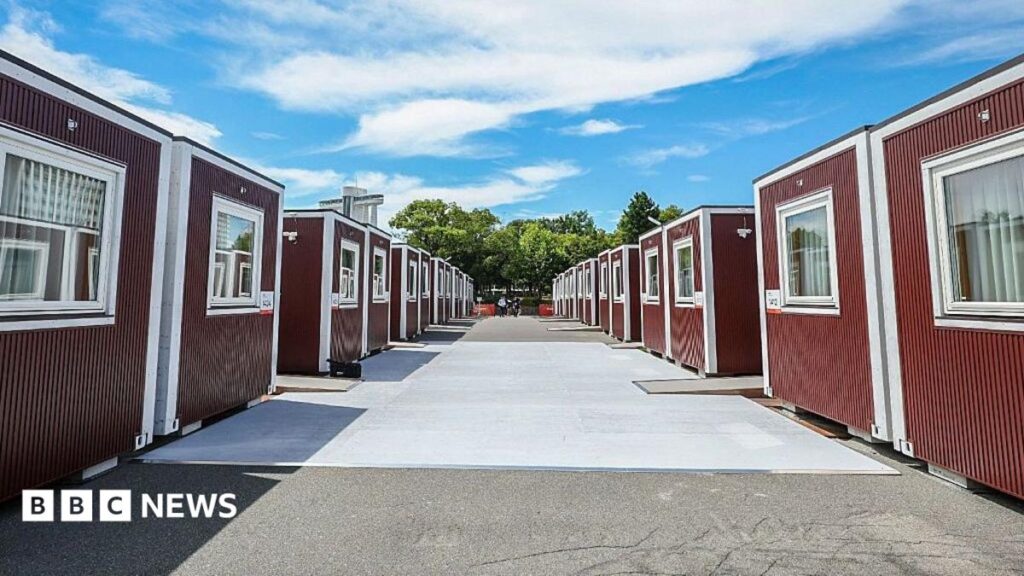
When South Korea’s delegation arrived in Nagoya for the 2026 Asian Games, the first thing many athletes noticed was not the state‑of‑the‑art competition venues but the wooden shipping containers that had been converted into their living quarters. The containers, stacked side‑by‑side in a makeshift dormitory, featured narrow bunks barely long enough for an average‑height person, leaving taller competitors – especially those in sports like basketball, volleyball and track – unable to fully stretch their legs.
Team officials quickly raised concerns, noting that the design violated basic ergonomic standards and could potentially increase the risk of muscle strain or poor sleep quality. South Korean media quoted a senior coach saying the beds felt more like “tight coffins” than restful spaces, a description that resonated with athletes from other nations who had previously reported similar discomfort at large multi‑sport events.
Why accommodation matters for performance
Sleep is a critical recovery tool for elite athletes. Studies from the Journal of Sports Sciences indicate that a reduction of even one hour of deep sleep can impair sprint times, reaction speed and decision‑making on the field. When a basketball player cannot fully extend their legs, circulation is compromised, leading to increased muscle fatigue and a higher chance of injury during games.
Beyond the physiological effects, the psychological impact of feeling undervalued can be profound. Athletes who perceive that organizers have cut corners on basic comforts may experience reduced motivation, which can translate into lower morale across the entire delegation. For a country like South Korea, which invests heavily in sports as a source of national pride, the optics of disgruntled athletes are particularly sensitive.
A pattern of cost‑cutting at mega‑sports events
The Nagoya controversy is not an isolated incident. The 2022 Hangzhou Asian Games faced criticism over cramped athlete villages, while the 2020 Tokyo Olympics were plagued by reports of thin mattresses and limited personal space in the Olympic Village. In each case, organizers justified the choices as necessary to keep budgets in check and to meet sustainability targets by re‑using existing structures.
However, the cumulative effect of these compromises is beginning to surface in performance data. A post‑games analysis by the Asian Sports Federation showed a modest but measurable dip in medal counts for nations that reported sub‑par housing, suggesting that the issue may have tangible competitive consequences. This pattern raises questions about whether future hosts will prioritize cost savings over athlete welfare.
What African athletes and federations are watching
African nations, many of which are eyeing bids for upcoming continental and global events, are taking note. Nigeria’s Olympic Committee, for example, has publicly pledged to audit athlete accommodation standards ahead of the 2030 Commonwealth Games, which are being floated for a South African host city. The committee’s spokesperson cited the Nagoya situation as a “wake‑up call” for African organizers to embed comfort and ergonomics into their planning from day one.
Moreover, athletes from Kenya, Ethiopia and Ghana who competed in Nagoya echoed South Korea’s concerns, describing the bunks as “unbearably short” and noting that the lack of proper rest made early morning training sessions feel “like a marathon in itself.” Their testimonies add weight to a growing chorus across continents demanding that athlete housing be treated as a core component of competition infrastructure, not an afterthought.
Possible fallout and next steps
In response to the outcry, the Nagoya Organising Committee issued a statement promising to retrofit the container dormitories with longer bunks and additional padding before the games’ midway point. They also pledged to conduct an independent audit of sleep quality among athletes, a move that could set a new benchmark for transparency in sports event management.
Looking ahead, the incident may influence the International Olympic Committee’s upcoming reforms on athlete village standards, which aim to codify minimum space, mattress size and ventilation requirements. If those guidelines are adopted, future hosts—whether in Asia, Africa or elsewhere—will need to allocate more budget to accommodation, potentially reshaping the financial models that have long driven the design of mega‑event infrastructure.
Quick Answers
What complaint did South Korea raise about athlete housing at the 2026 Nagoya Asian Games?
South Korea said the wooden container beds were too short for tall athletes, preventing them from fully stretching their legs and affecting sleep quality.
How can cramped sleeping arrangements affect an athlete's performance?
Limited space can reduce deep sleep, increase muscle fatigue, raise injury risk, and lower morale, all of which can diminish on‑field performance.
Are African nations concerned about similar accommodation issues in future events?
Yes; federations like Nigeria’s Olympic Committee are reviewing housing standards ahead of bids for events such as the 2030 Commonwealth Games to avoid repeat problems.
Source: www.bbc.co.uk




💬 Comments 0