Spain high-speed train crash near Madrid kills 12, sparks safety review and worries for African rail projects
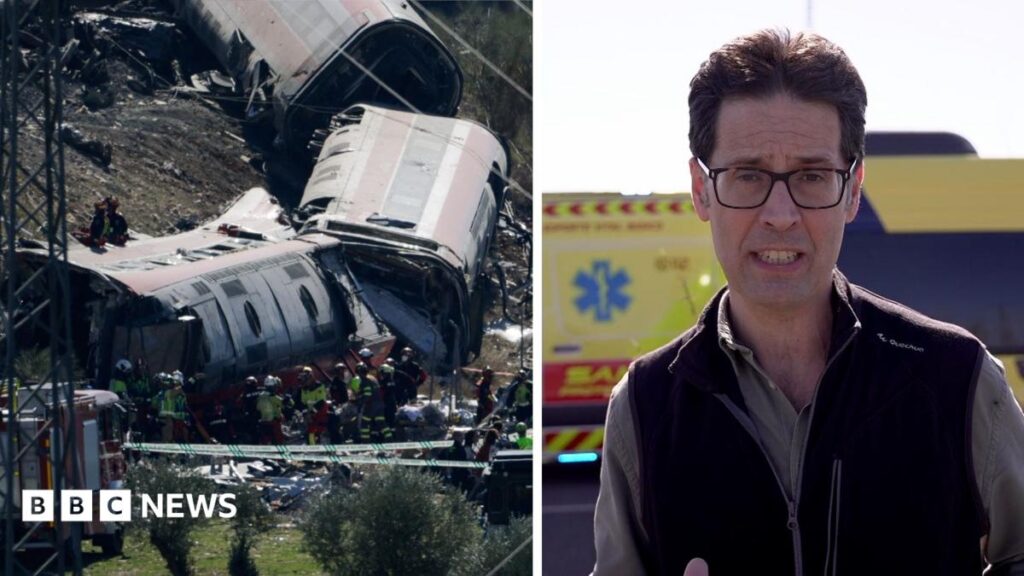
What led to the deadliest Spanish rail disaster in over a decade
On October 27, 2026, an Alvia high‑speed train travelling from Barcelona to Madrid collided with a freight train on the classic line south of the capital. The impact caused several carriages to derail and catch fire, killing at least 12 passengers and injuring dozens more. The crash marks Spain’s worst railway tragedy since the 2013 Santiago de Compostela derailment that claimed 79 lives.
Preliminary reports indicate that a signal failure may have allowed the two trains to occupy the same block of track. The Spanish railway infrastructure manager, ADIF, has launched an emergency investigation, while the national safety regulator, the Comisión de Investigación de Accidentes Ferroviarios (CIAF), will conduct an independent inquiry. Early statements from the operator, Renfe, described the incident as “a tragic convergence of technical and human errors.”
The collision occurred near the town of Ocaña, a key junction where high‑speed and conventional lines intersect. Witnesses described a sudden, deafening crash followed by a plume of smoke that forced nearby residents to evacuate. Emergency services from the region, including air ambulances, were dispatched within minutes, highlighting Spain’s robust emergency response capacity.
Immediate consequences for passengers, families and the rail network
Survivors were taken to hospitals in Madrid and Toledo, where trauma teams treated burns, fractures and shock. The Spanish government declared three days of national mourning, and the families of the victims received immediate financial assistance through the state’s accident compensation scheme. Renfe suspended all services on the affected line for 48 hours while investigators secured the site.
The shutdown disrupted not only commuter traffic but also international connections, as the line forms part of the broader European high‑speed corridor linking Spain with France and the rest of the continent. Freight operators reported delays that could affect supply chains for perishable goods moving from the Mediterranean ports to inland markets.
In the days following the crash, the Ministry of Transport announced a temporary reduction in speed limits on all high‑speed routes while safety checks are carried out. This precautionary measure is expected to cause a ripple effect on travel schedules across the Iberian Peninsula, potentially affecting tourism flows during the upcoming holiday season.
Why the crash matters for European rail safety standards
Europe has been championing high‑speed rail as a greener alternative to short‑haul flights, yet the incident raises questions about the reliability of legacy signalling systems that coexist with newer European Train Control System (ETCS) technology. According to a report by the European Union Agency for Railways, mixed‑technology corridors can create “compatibility blind spots” that increase the risk of human error.
The CIAF’s first findings, expected within weeks, may prompt the European Commission to accelerate the rollout of ETCS Level 2 across Spain’s network. If regulators deem the signalling failure a systemic issue, Spain could face fines under the EU’s railway safety directive, similar to penalties imposed on other member states for delayed safety upgrades.
Industry analysts suggest that the crash could also affect the market share of Spanish rolling‑stock manufacturers such as Talgo and CAF, which have been expanding into Africa and Latin America. A loss of confidence in Spanish‑built trains might push prospective buyers to consider alternatives from French or German firms, reshaping the competitive landscape for export contracts.
Implications for African rail projects that rely on Spanish technology
Several African countries have recently signed deals with Spanish firms to modernise their rail infrastructure. Kenya’s Standard Gauge Railway (SGR) uses Talgo‑based passenger coaches, while Ethiopia’s Addis Ababa‑Dire Dawa line incorporates CAF locomotives. Both projects were touted as flagship examples of Spain’s export‑driven rail diplomacy.
If the investigation uncovers design flaws in the signalling or braking systems used on the Alvia fleet, African ministries may request independent audits of the equipment already deployed on their own networks. In Kenya, the Ministry of Transport has previously expressed concerns about spare‑part availability for Talgo coaches, and a safety scandal could intensify those worries.
Moreover, the crash could delay upcoming contracts. Ethiopia is negotiating a €1.2 billion extension of its high‑speed corridor with CAF, slated for 2028. Sources close to the negotiations say the Ethiopian government is now reviewing risk‑mitigation clauses to protect against potential technology‑related liabilities.
On the flip side, the incident may accelerate the push for standardized European signalling across Africa, a move championed by the African Union’s Programme for Infrastructure Development (PIDA). Aligning with ETCS could open doors for funding from the European Investment Bank, but it would also require substantial training and retrofitting costs that many African rail operators are still grappling with.
What comes next: investigations, reforms and the road to recovery
The CIAF will publish a comprehensive report within 90 days, detailing the chain of events, technical failures and any procedural lapses. In parallel, the European Railway Agency is expected to issue a safety bulletin to all member states, urging a review of mixed‑technology sections that could be vulnerable to similar accidents.
Spanish Prime Minister Pedro Sánchez has pledged a “zero‑tolerance” approach to safety breaches, promising increased funding for modernising signalling infrastructure. He also announced a task force that will include representatives from Renfe, ADIF, labour unions and passenger advocacy groups, aiming to rebuild public trust in the rail system.
For African stakeholders, the key takeaway is the need for rigorous due‑diligence when importing foreign rail technology. Governments and investors are likely to demand clearer warranties, transparent maintenance protocols and joint‑venture arrangements that include local capacity‑building components. The crash, while tragic, may serve as a catalyst for stronger safety governance both in Europe and on the continent.
Quick Answers
How many people were killed in the Spain high‑speed train crash near Madrid?
At least 12 passengers died in the collision, according to official reports.
Will the crash affect African rail projects that use Spanish equipment?
Yes, African countries like Kenya and Ethiopia may request safety audits of Spanish‑made rolling stock and could reconsider pending contracts.
When will the official investigation report be released?
The CIAF is expected to publish its full findings within 90 days of the accident.
Source: www.bbc.co.uk




💬 Comments 0