Spain train crash 2026 kills 30, Sanchez re‑election in jeopardy ahead of snap vote
A perfect storm of crises before the election
Pedro Sánchez entered the final weeks before Spain’s snap general election already under pressure. A series of scandals – from a contested budget to a teachers’ strike that shut down schools for days – had eroded his coalition’s approval ratings to below 30 percent, according to a recent Ipsos poll.
The political turbulence was amplified by a volatile economic backdrop: inflation lingered above the Eurozone average, unemployment among young people hit 17 percent, and the country’s public debt edged past 115 percent of GDP. Analysts warned that any new shock could tip the balance of power in the fragmented parliament, where Sánchez’s PSOE needs the support of smaller regional parties to form a government.
The train disaster that stunned the nation
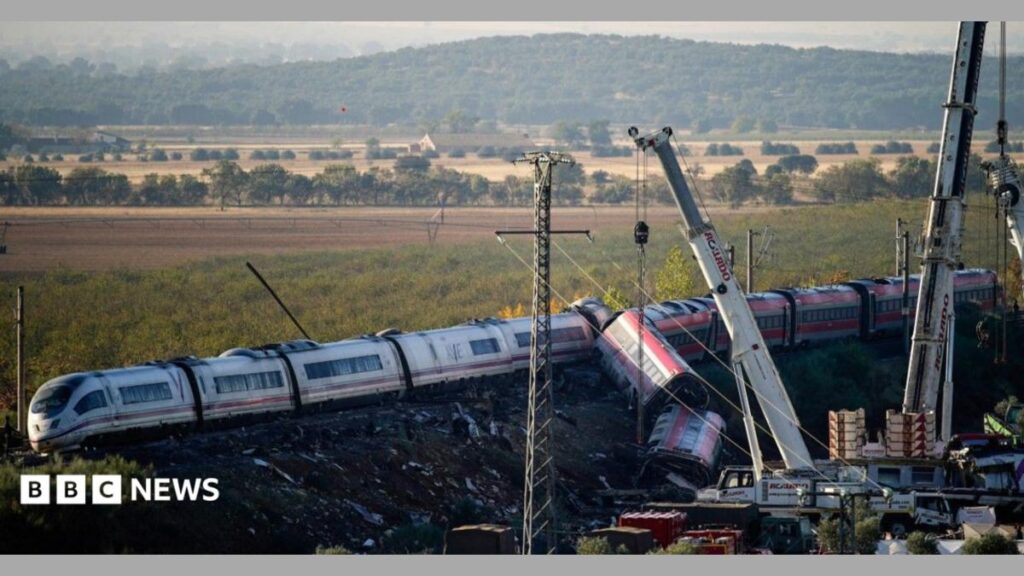
On 27 October 2026 a high‑speed train derailed near the town of Algeciras, killing at least 30 passengers and injuring more than 120, according to the official report released by the Ministry of Transport. The accident was traced to a faulty signalling system that failed to warn the driver of a speed restriction on a newly opened track section.
Rescue crews from across the country, including volunteers from the Red Cross and the Spanish Civil Guard, worked through the night to free trapped passengers. The tragedy reignited public debate over Spain’s ageing rail infrastructure, a sector that has struggled with under‑investment since the 2008 financial crisis.
Why the crash matters for Sánchez’s political future
The disaster has become a political flashpoint because the government bears ultimate responsibility for rail safety. Opposition leader Alberto Núñez Feijóo has already demanded Sánchez’s resignation, labeling the incident a "national tragedy born of governmental neglect" in a televised address on 28 October.
Sánchez’s response – a televised appeal promising a swift, independent inquiry and a €500 million emergency fund for rail upgrades – has been met with mixed reactions. While some voters view the pledge as decisive, others see it as a belated attempt to deflect from deeper governance failures. The timing is critical, as the election is set for 2 November, leaving little room for the inquiry to influence public opinion.
The African angle: migration, remittances and EU‑Africa policy
Spain is the main entry point for African migrants seeking a foothold in the European Union, with over 200,000 regularised African residents and an estimated 50,000 undocumented arrivals each year, according to the Spanish National Statistics Institute. A change in government could reshape the country’s approach to migration agreements with West African states such as Senegal, Ghana and Nigeria.
If Sánchez’s coalition is weakened, the new administration may prioritize stricter border controls to appease right‑wing voters, potentially tightening the EU‑Africa migration pact signed in 2024. That would affect not only asylum seekers but also the flow of legal labour migrants who send roughly €3 billion in remittances back to Africa annually, a lifeline for many families in the Sahel and the Horn of Africa.
Spanish multinational firms operating in Africa – from energy giant Repsol in Angola to construction conglomerate ACS in Ethiopia – watch Spain’s political stability closely. Uncertainty over the election could delay approvals for new projects, especially those tied to EU development funds that are negotiated through Madrid’s foreign ministry.
What’s next: investigations, election outcomes and regional fallout
The government’s promised independent investigation will be led by the Railway Safety Agency (AESF) and is expected to submit a preliminary report within 30 days. Early findings could either vindicate the current administration’s safety record or expose systemic negligence, both scenarios carrying heavy electoral weight.
Political scientists note that Spain’s snap election could become a bellwether for other EU nations facing similar infrastructure challenges. A loss for Sánchez might embolden centre‑right coalitions in Italy and France to push for accelerated rail spending, while a win could reinforce the narrative that progressive governments can manage crises without resorting to austerity.
For the African diaspora in Spain, the immediate concern is the continuity of social services and community programmes that depend on municipal budgets. NGOs such as the African Cultural Association in Madrid have warned that budget cuts, should a new right‑leaning coalition take power, could jeopardise language‑training and legal‑aid initiatives that help recent arrivals integrate.
Quick Answers
How many people died in the Spain train crash of October 2026?
The official death toll stands at 30, with more than 120 injured.
Will the train disaster affect Spain's upcoming election?
Yes, the crash has intensified criticism of the government and could sway undecided voters ahead of the 2 November snap election.
How could a change in Spain's government impact African migrants?
A new administration may tighten migration controls, affecting legal pathways and remittance flows that many African families rely on.
Source: www.bbc.co.uk




💬 Comments 0