Sudan healthcare on brink of collapse in 2026 after 40% funding cuts, MSF urges global aid
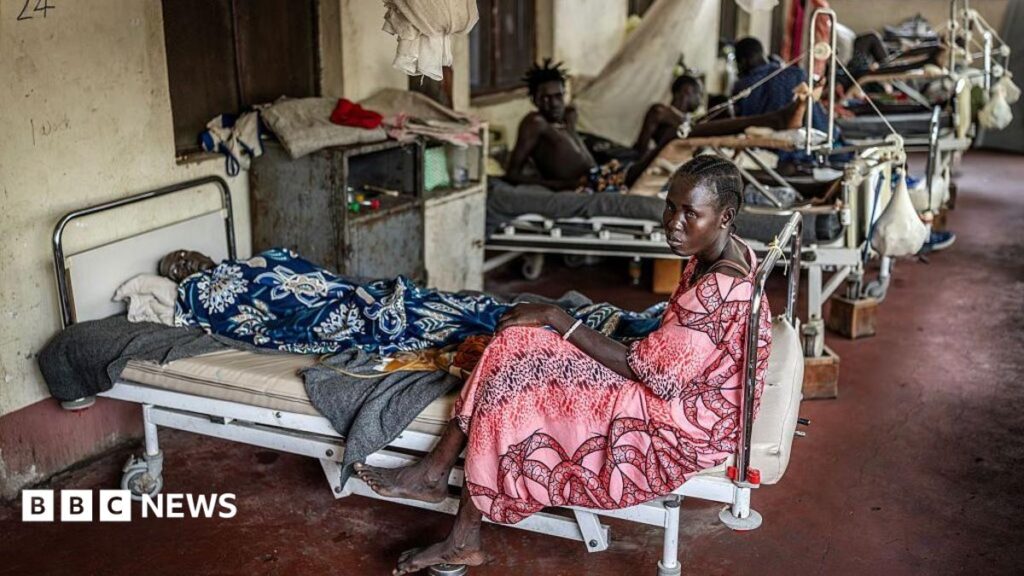
A fragile system stretched by conflict and economy
Sudan’s public health network has been under pressure since the 2019 political upheaval that toppled longtime ruler Omar al‑Bashir. The subsequent power-sharing arrangement between civilian leaders and the military failed to stabilise the economy, and hyperinflation eroded the purchasing power of hospitals that already struggled with outdated equipment and chronic drug shortages.
Even before the latest funding reductions, the country faced a surge in communicable diseases such as malaria, cholera and tuberculosis, compounded by a massive displacement of people from the Darfur, South Kordofan and Blue Nile regions. According to the World Health Organization, more than 4 million Sudanese were living in conditions that lacked basic water and sanitation, creating a tinderbox for health emergencies.
MSF’s alarm: 40% cut in humanitarian health funding
Médecins Sans Frontières (MSF) released a stark warning in early August 2026, saying that donor contributions to its Sudan operations had dropped by roughly 40% compared with the same period in 2025. The charity attributed the decline to donor fatigue after years of crises in Ukraine, the Sahel and the Middle East, as well as to the United Nations’ decision to re‑allocate a portion of its humanitarian budget toward food security programmes.
MSF’s field teams reported that the cuts have already forced the closure of three primary‑care clinics in Khartoum and two in the conflict‑hit Blue Nile state. Staff shortages are rising, with nurses and physicians fleeing the country for safety or better pay, leaving an estimated 1.2 million patients without regular access to essential services such as maternal care, vaccinations and emergency surgery.
Why the collapse matters beyond Sudan’s borders
A collapsing health system in Sudan threatens regional stability. Outbreaks of cholera and measles can easily cross porous borders into neighboring South Sudan, Chad and Ethiopia, where health infrastructure is equally fragile. Moreover, the spread of drug‑resistant malaria strains could undermine control efforts across the Horn of Africa, according to a 2026 report by the African Centres for Disease Control.
The diaspora community in Europe and North America also feels the ripple effects. Remittances, which make up about 12% of Sudan’s GDP, are often earmarked for medical expenses; as families confront higher out‑of‑pocket costs, disposable income for education and investment shrinks, slowing the economic uplift that migrant workers hope to generate for their relatives back home.
A pattern of health‑system erosion in conflict zones
Sudan is not an isolated case. Over the past decade, the United Nations has documented a 27% decline in health‑sector funding across the Sahel, where Boko Haram and insurgent groups have disrupted supply chains. In Ethiopia’s Tigray region, a 2024 UN‑commissioned study found that prolonged funding gaps led to a 15% rise in maternal mortality within two years of the conflict’s onset.
These trends point to a broader shift in humanitarian financing: donors are increasingly prioritising immediate food aid over longer‑term health interventions, even though the two are interlinked. Experts at the African Development Bank warn that without a strategic pivot back to health, the continent could see a “secondary pandemic” of preventable deaths, especially among children under five.
What could turn the tide – funding, policy and diaspora action
MSF’s appeal calls for a rapid infusion of at least $150 million to keep its remaining clinics operational through the end of 2026. The charity also urges the World Bank and African Union to establish a contingency health fund that can be triggered when donor contributions dip below a critical threshold. Such a mechanism would allow Sudanese ministries to purchase essential medicines without waiting for ad‑hoc pledges.
For the Sudanese diaspora, the window for impact is immediate. Community organisations in the United Kingdom, Canada and the United Arab Emirates have begun crowdfunding campaigns that directly support MSF field purchases, bypassing bureaucratic delays. In addition, diaspora business leaders are lobbying their host‑country governments to include Sudan’s health emergency in bilateral aid packages, arguing that stabilising the sector will reduce migration pressures and foster a more resilient market for Sudanese entrepreneurs.
Quick Answers
What caused the 40% cut in health funding for Sudan in 2026?
Funding fell because donor fatigue and a UN budget shift toward food security reduced contributions to MSF’s Sudan programmes.
How many Sudanese are at risk if the health system collapses?
MSF estimates that over 1.2 million people could lose access to essential health services, while WHO warns that disease outbreaks could affect millions more across the region.
What can the Sudanese diaspora do to help?
Diaspora groups can donate to reputable charities, support crowdfunding for medical supplies, and advocate for their governments to include Sudan’s health crisis in aid agreements.
Source: www.bbc.co.uk




💬 Comments 0