Sudan lifts two‑year Khartoum curfew 2026: impact on aid, diaspora and stability
Background: Why Khartoum was under curfew
In April 2024, Sudan’s military council imposed a city‑wide curfew on Khartoum after a wave of armed clashes between rival factions of the Sudanese Armed Forces and the Rapid Support Forces. The measure was meant to curb street fighting, protect key infrastructure and give the authorities time to consolidate control after they retook the capital from rebel groups.
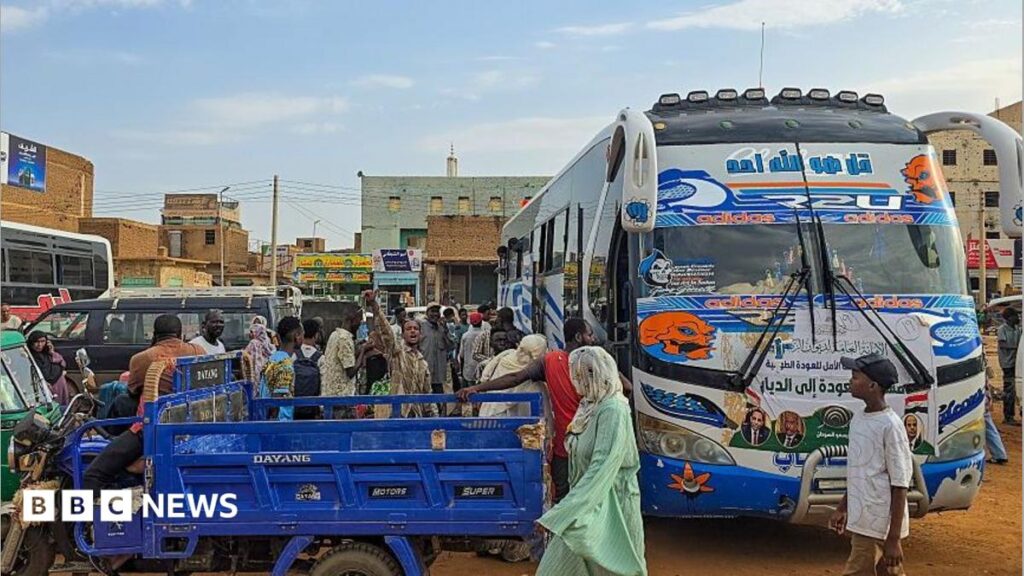
The curfew, initially set for three months, was repeatedly extended as the security situation remained volatile. Residents faced nightly roadblocks, mandatory checkpoints and a ban on all non‑essential movement after 6 p.m. The restrictions crippled commerce, halted public transport and forced many NGOs to suspend field operations, deepening an already severe humanitarian crisis.
The lift: What the authorities announced
On Monday, August 26, 2026, the Sudanese Ministry of Interior announced that the curfew would be lifted effective 00:01 GMT on Tuesday. The statement cited “significant improvements in security” in the capital’s central districts and a “new operational plan” that would replace the blanket ban with targeted night‑time patrols.
The announcement was accompanied by a modest increase in police presence at major thoroughfares and a promise to keep “strategic checkpoints” open only where intelligence indicates a risk of renewed fighting. The ministry also warned that any breach of the new, narrower restrictions could trigger swift arrests.
International observers from the United Nations Integrated Transition Assistance Mission in Sudan (UNITAMS) welcomed the move, noting that the easing of movement restrictions could accelerate the delivery of food, medicine and cash assistance that has been stalled for months.
Why the curfew’s end matters for Sudan and the region
The curfew’s removal is a litmus test for the military council’s ability to maintain order without resorting to blanket bans. If security holds, it could signal a shift toward a more predictable environment for businesses, investors and humanitarian actors—a prerequisite for any meaningful reconstruction effort.
For neighbouring countries such as Ethiopia, South Sudan and Chad, a calmer Khartoum reduces the risk of cross‑border refugee flows that surged during the height of the fighting. According to the UN High Commissioner for Refugees, Sudan currently hosts over 1.2 million refugees, many of whom are from the Horn of Africa. A stable capital can help coordinate repatriation and aid‑distribution mechanisms that benefit the whole region.
On the economic front, the curfew has been a silent tax on the informal sector, which accounts for roughly 70 % of Sudan’s urban employment. Street vendors, taxi drivers and small workshop owners have been unable to operate after dark, cutting household incomes and pushing more families into poverty. Lifting the curfew could revive night‑time markets, restore cash flow for micro‑enterprises and, in the longer term, improve tax collection for a cash‑strapped government.
Reactions from the Sudanese diaspora and NGOs
Sudanese communities in the United Kingdom, United States and the Gulf states have greeted the news with cautious optimism. A spokesperson for the Sudanese American Association said the curfew’s end “offers a chance for families separated by conflict to reunite and for diaspora‑funded projects to resume on the ground.”
Humanitarian NGOs, many of which had been forced to shift operations to remote monitoring, are already planning to redeploy field staff. Médecins Sans Frontières, for example, indicated it would restart mobile clinic routes that were halted in 2024, potentially reaching an additional 150,000 patients in Khartoum’s outskirts.
However, civil‑society groups warned that the lifting should not be taken as a carte blanche to relax all security measures. A coalition of Sudanese journalists issued a joint statement urging the authorities to keep transparent reporting mechanisms and to protect journalists who will now be able to work after dark.
What’s next: Challenges and opportunities ahead
The immediate challenge is to prevent a relapse into night‑time violence. Analysts from the African Center for Strategic Studies argue that the curfew’s removal must be paired with a robust intelligence‑sharing framework between the army, the RSF and civilian police forces; otherwise, sporadic raids could quickly reignite the need for stricter controls.
On the opportunity side, the easing opens a narrow window for the World Bank and African Development Bank to negotiate emergency financing for Khartoum’s power grid, which has been operating at 60 % capacity since the war began. Restoring reliable electricity would boost small‑scale manufacturing and enable digital services that many diaspora entrepreneurs rely on.
Finally, the curfew’s end may influence Sudan’s upcoming national dialogue slated for late 2026. Negotiators will likely use the security improvement as leverage to push for a ceasefire in the Darfur and Kordofan regions, arguing that a stable capital is a prerequisite for any lasting peace settlement.
Quick Answers
When was the two‑year curfew in Khartoum lifted?
The curfew was lifted on August 27, 2026, after the government announced its removal the night before.
How will the curfew’s end affect humanitarian aid in Sudan?
Easing movement restrictions allows NGOs to resume night‑time deliveries, re‑activate mobile clinics and improve access to food and medical supplies for millions of vulnerable residents.
What impact could the curfew lift have on Sudanese diaspora investments?
A more predictable security environment encourages diaspora investors to fund small businesses, digital startups and reconstruction projects that were stalled during the curfew.
Source: www.bbc.co.uk



💬 Comments 0