Sweetgreen Cuts 2026 Outlook as Cyclospora Fears Hit US Salad Sales, What It Means for Food‑Safety Trends in Africa
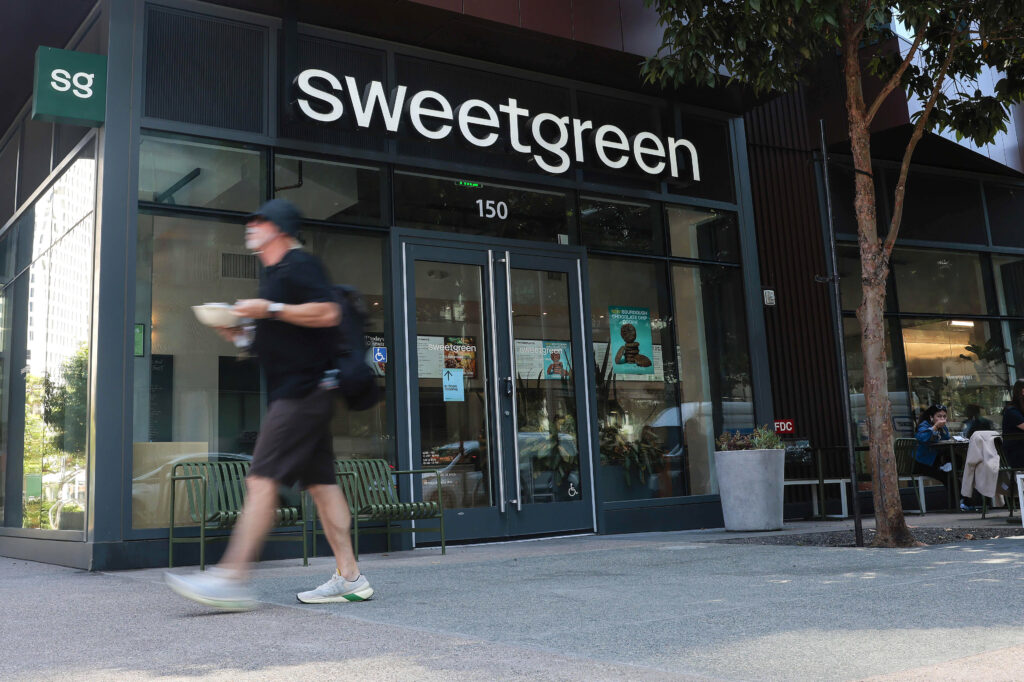
Background: Sweetgreen’s Growth and the Cyclospora Threat
Founded in 2007, Sweetgreen has become a poster child for the fast‑casual, health‑focused dining segment in the United States, boasting over 300 locations and a revenue run‑rate that topped $1.2 billion in 2025. The chain’s model leans heavily on fresh, locally sourced greens and a rotating menu that promises seasonal variety.
In early 2026, public health officials in several US states traced a rise in cyclospora infections – a parasitic disease linked to contaminated fresh produce – to a batch of imported herbs. Although Sweetgreen was never named as a source, the media attention and consumer anxiety spilled over to all brands that market raw salads as a staple.
Cyclospora, while rarely fatal, can cause prolonged gastrointestinal distress lasting weeks, prompting health agencies to issue heightened warnings for raw vegetables. The outbreak prompted supermarkets and restaurants alike to re‑examine their supply chains, testing protocols, and consumer communication strategies.
What Happened: Sweetgreen’s Revised Outlook
On August 5, 2026, Sweetgreen announced that it was cutting its full‑year sales outlook by 8 percent, citing “consumer confidence shocks” surrounding the cyclospora scare. The company said it expects comparable‑store sales to decline 4‑6 percent in the fourth quarter, a sharp reversal from the 12 percent growth it posted in the same period a year earlier.
The chain also disclosed that it would pause expansion plans for ten new stores slated for the Midwest and South, reallocating capital toward enhanced testing of inbound produce and a public‑relations campaign aimed at rebuilding trust. While the company emphasized that none of its own farms were implicated, it admitted that the broader perception of risk around raw salads had dented foot traffic.
Investors reacted with a 7 percent drop in Sweetgreen’s stock price the following trading day, and analysts at Bloomberg warned that the episode could serve as a “case study in how quickly food‑safety scares can erode the premium that health‑conscious brands command.”
Why It Matters: Consumer Trust and the Fresh‑Food Economy
The Sweetgreen episode underscores a growing tension in the fresh‑food economy: the very attributes that drive demand—minimal processing, visible freshness, and local sourcing—also make supply chains vulnerable to microbial contamination. When a single outbreak triggers a wave of doubt, brands that have built their identity on clean‑eating risk losing the premium price advantage that separates them from conventional fast food.
Beyond the immediate sales hit, the incident could accelerate a shift toward more robust traceability technologies, such as blockchain‑based provenance records and on‑site rapid testing kits. Companies that invest early may capture market share from slower adopters, while those that lag could face long‑term brand damage.
The episode also highlights the power of media amplification. Even though Sweetgreen was not directly linked to the outbreak, the chain’s name appeared in headlines across national outlets, illustrating how brand perception can be reshaped by association alone. For investors and marketers, the lesson is clear: crisis‑communication plans must be as swift and data‑driven as the supply‑chain safeguards they protect.
Implications for African Fast‑Casual Chains and the Diaspora
African cities are witnessing a surge in home‑grown fast‑casual concepts that echo Sweetgreen’s model—think Nairobi’s “GreenBite,” Lagos’s “SaladSpot,” and Johannesburg’s “Leaf & Loaf.” These ventures rely on a mix of local farms and imported herbs to meet consumer cravings for fresh, nutritious meals.
The Sweetgreen scare serves as a cautionary tale for these African operators. Many of them already grapple with fragmented supply chains, limited cold‑storage infrastructure, and regulatory gaps. A localized outbreak could quickly erode consumer confidence, especially among the diaspora‑linked middle class that values food safety as a status symbol.
Some African startups are already experimenting with blockchain‑based traceability, partnering with agritech firms to log every step from seed to plate. The US incident may accelerate funding and policy support for such innovations across the continent, as investors look for risk‑mitigation tools that protect both brand equity and public health.
For the African diaspora living in the US and Europe, Sweetgreen’s story also resonates on a personal level. Many diaspora members support African‑origin food ventures abroad, and a heightened awareness of food‑safety issues could translate into stronger demand for transparent sourcing, benefitting African exporters that can certify safe, high‑quality produce.
What’s Next: Industry Response and Potential Regulation
In the wake of Sweetgreen’s outlook cut, the US Food and Drug Administration (FDA) announced a review of current testing standards for fresh herbs, signalling that stricter mandatory testing could be on the horizon. If new regulations raise compliance costs, smaller chains may face a competitive disadvantage unless they secure subsidies or form cooperative buying groups.
Industry groups, including the National Restaurant Association, are lobbying for a uniform “Fresh‑Produce Safety Act” that would standardise testing frequency and create a public database of contamination incidents. Such a framework could level the playing field for both large chains and emerging African‑owned concepts operating in the US market.
Meanwhile, Sweetgreen has pledged to launch a consumer‑facing dashboard that displays real‑time testing results for each ingredient batch. If successful, the move could set a new benchmark for transparency, prompting rivals to adopt similar tools to retain trust‑sensitive customers.
Quick Answers
Why did Sweetgreen cut its 2026 sales outlook?
Sweetgreen reduced its forecast because consumer anxiety over a cyclospora outbreak linked to fresh produce lowered foot traffic and prompted a pause on new store openings.
Is Sweetgreen responsible for the cyclospora outbreak?
No, health officials have not implicated Sweetgreen; the chain was mentioned only because it sells raw salads, which heightened public scrutiny.
How could the Sweetgreen incident affect African fast‑casual restaurants?
The scare highlights supply‑chain vulnerabilities, urging African chains to adopt stronger traceability and testing measures to protect brand trust among health‑conscious diners.
Source: www.cnbc.com



💬 Comments 0