Swiss rave shooting in Aarau 2026 kills 22‑year‑old Italian woman, sparks safety debate
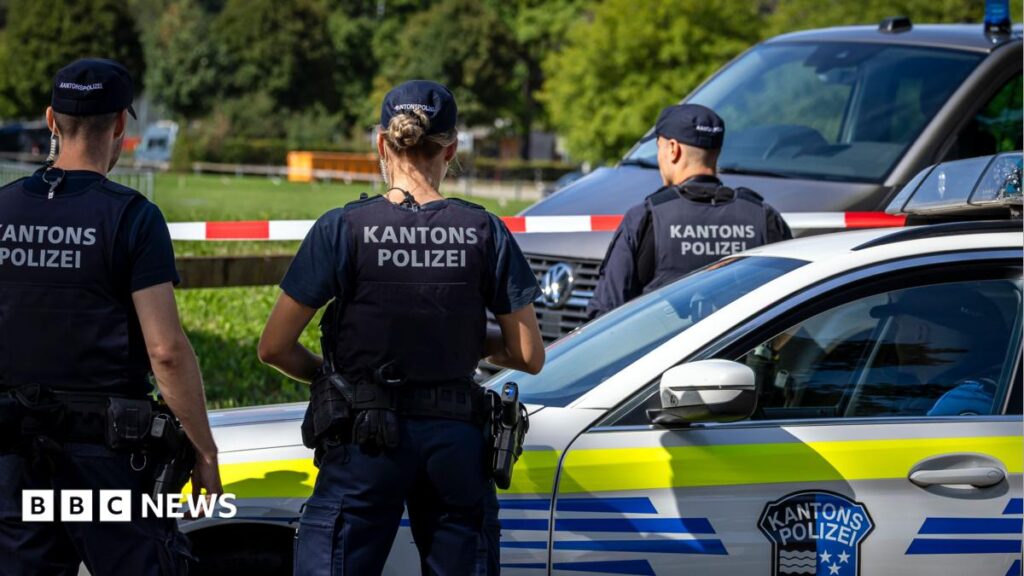
Swiss rave culture and the Aarau techno night
Switzerland may be famed for its banking secrecy and Alpine scenery, but its underground music scene has quietly flourished over the past decade. Cities like Zurich, Geneva and the smaller town of Aarau have become regular hosts for techno and house parties that draw crowds from across Europe and beyond. Organisers often rely on word‑of‑mouth and niche social‑media groups rather than large‑scale marketing, creating an intimate atmosphere that appeals to both local fans and travelling enthusiasts.
The Aarau event on August 30, 2026 was billed as a “mid‑summer techno marathon” and was hosted in an industrial warehouse converted into a makeshift club. The line‑up featured a mix of Swiss resident DJs and a handful of guest artists from Italy, Germany and the United Kingdom. Ticket sales were modest – roughly 300 attendees – but the venue’s low‑key reputation attracted a diverse crowd, including several African expatriates who regularly travel to European festivals.
Swiss authorities have historically treated large music gatherings as low‑risk compared to football stadiums or political rallies, allowing organisers to operate with minimal police presence. Security measures typically consist of bag checks at the entrance and a handful of private stewards. This model has worked well for smaller events, but critics argue that it leaves gaps when crowds swell or when individuals bring weapons into the venue.
In recent years, European nightlife has faced a spate of violent incidents, from stabbings in Berlin clubs to a fatal shooting at a Dutch festival in 2024. Those episodes have prompted a gradual tightening of security protocols, yet many Swiss venues have been slower to adopt stricter checks, citing the city’s traditionally low crime rates and a desire to preserve the “free‑spirited” vibe of underground parties.
What happened at the Aarau rave
At around 02:15 a.m. on August 30, the bass‑heavy set of Berlin‑based DJ Loco was interrupted by a sudden burst of gunfire. According to police statements released later, a single 9 mm pistol was discharged twice, striking several people in the crowd. The shots caused panic, and the venue’s emergency exits were quickly overwhelmed as attendees fled the scene.
Emergency services arrived within minutes, and the injured were taken to Aarau Hospital. Among the casualties, 22‑year‑old Italian student Sofia Marchetti was pronounced dead at the scene. Two other party‑goers suffered gunshot wounds, while a further five sustained injuries ranging from bruises to broken bones as they were trampled during the evacuation.
Police arrested a 28‑year‑old Swiss man on the spot after he was identified by multiple witnesses as the shooter. The suspect, whose name has not yet been released pending formal charges, reportedly entered the venue with a concealed weapon and opened fire after an argument with a friend near the bar area. Investigators are still reviewing CCTV footage and interviewing attendees to reconstruct the motive.
The incident has reignited a debate about gun ownership in Switzerland, a country that maintains a high per‑capita rate of legally held firearms due to its militia system. While the Swiss government has tightened certain aspects of gun licensing in recent years, critics say that loopholes still allow individuals to carry weapons into private venues without thorough background checks.
Why the shooting matters beyond Aarau
The Aarau tragedy is the latest reminder that even seemingly safe, low‑profile events can become flashpoints for violence. For festival promoters across Europe, the incident forces a reassessment of risk‑management strategies, especially for venues that have historically relied on minimal security. Insurance premiums for event organisers are expected to rise, and some may opt to relocate to larger arenas where police presence is mandatory.
Tourism boards in Switzerland have already expressed concern that the shooting could tarnish the country’s reputation as a safe destination for nightlife tourists. In 2025, Swiss tourism revenues from music‑related travel accounted for roughly 2 % of total inbound spending, a modest but growing segment. A perception of danger could deter not only European clubbers but also the sizeable diaspora community that frequently visits Swiss cities for concerts and festivals.
The incident also feeds into a broader European conversation about the balance between personal freedoms and public safety. While many citizens cherish the right to carry firearms for militia duties, the Aarau case illustrates how that privilege can clash with the open‑access ethos of underground culture. Lawmakers in Bern and Zurich are reportedly drafting amendments that would require background checks for anyone bringing a weapon into a public entertainment venue.
From a music‑industry perspective, the shooting could have a chilling effect on cross‑border collaborations. Artists from neighboring countries often tour small venues as part of a grassroots network that sustains the electronic scene. If promoters become more risk‑averse, emerging talent may lose valuable exposure opportunities, potentially slowing the diffusion of new sounds across the continent.
The African angle: diaspora fans, DJs and market implications
African expatriates and tourists form a noticeable slice of the European rave audience, especially in cities with sizable Nigerian, Ghanaian and South African communities. In 2023, a survey by the African Diaspora Cultural Forum estimated that roughly 12 % of attendees at major European techno events were of African descent, many of whom travel specifically for the music experience.
The Aarau shooting raises practical concerns for African travellers who often book tickets through informal networks and rely on word‑of‑mouth recommendations. Travel insurance policies that cover “event‑related incidents” may become more expensive, and some insurers might add exclusions for venues that lack a certified security plan. This could deter budget‑conscious fans from making the trip, impacting ancillary sectors such as host‑family accommodation services that many African students and young professionals use.
On the creative side, the incident could affect African DJs looking to break into the European circuit. Promoters may become more cautious about inviting artists from outside the EU, fearing visa complications or additional security scrutiny. Conversely, the heightened media focus on safety could open a niche for African‑run events that prioritize rigorous security while preserving the underground vibe, potentially positioning African organisers as leaders in a new standard of club safety.
Finally, the tragedy underscores a missed opportunity for African‑European cultural exchange. Swiss festivals have occasionally showcased African electronic acts, such as the 2022 “Afro‑Tech Fusion” night in Zurich, which attracted over 5,000 fans. If safety concerns push European venues toward larger, more regulated spaces, African artists could gain access to better‑equipped stages, but only if they can navigate the increasingly complex logistics and cost structures that will follow.
What comes next: investigations, policy shifts and the future of European raves
Swiss police have launched a comprehensive investigation, promising to release a full report within three months. The inquiry will focus on how the shooter bypassed existing security checks, the adequacy of emergency exit signage, and whether the venue complied with the latest fire‑safety regulations. Legal experts predict that the suspect could face up to 15 years in prison under Switzerland’s aggravated assault statutes.
In response to public outcry, the Canton of Aargau announced an immediate review of licensing requirements for night‑clubs and private events. Proposed measures include mandatory metal detectors, a minimum ratio of security staff to attendees, and a requirement that all venues submit a crowd‑control plan approved by the cantonal police chief. Similar proposals are being debated in neighboring cantons, suggesting a possible nationwide tightening of standards.
Event organisers across Europe are already adjusting their contracts to include clauses that hold venues accountable for security failures. Some major festival chains, such as Tomorrowland’s satellite events, have pledged to adopt a “zero‑tolerance” policy for weapons, backed by on‑site biometric screening. While these steps may raise operational costs, they also aim to restore confidence among fans, artists and sponsors.
For African stakeholders, the next few months will be a litmus test of resilience. Artists, promoters and diaspora fans will need to monitor policy changes closely, adapt their travel and booking strategies, and perhaps advocate for collaborative safety standards that reflect the diverse makeup of modern electronic‑music audiences. If the industry can turn this tragedy into a catalyst for better security, the European rave scene may emerge stronger—and more inclusive—than before.
Quick Answers
Who was the victim in the Aarau rave shooting?
The victim was 22‑year‑old Italian student Sofia Marchetti, who was killed during the shooting.
How might the Aarau shooting affect African fans attending European festivals?
Higher insurance costs, stricter venue security and possible visa complications could make travel to European raves more expensive and logistically challenging for African fans.
What new security measures are being considered for Swiss night‑clubs?
Proposed measures include mandatory metal detectors, increased security staff ratios, and required crowd‑control plans approved by cantonal police.
Source: www.bbc.co.uk




💬 Comments 0