Swiss shooting near Zurich 2026: manhunt launched after one dead, five injured – what it means for Europe’s security climate
Background: Switzerland’s reputation and recent security challenges
Switzerland is often celebrated for its neutrality, low crime rates and strict gun regulations that rank among the toughest in the world. Yet the country has not been immune to isolated acts of violence, and the past decade has seen a handful of high‑profile incidents that have shaken the perception of absolute safety. In 2022, a knife attack at a Zurich nightclub left three people dead, prompting a national debate about public‑space security. The recent shooting adds another data point to a slowly growing pattern of violent outbursts in a nation that traditionally relied on a “soft‑power” approach to safety.
The incident took place at a private gathering in a suburban venue just outside Zurich, an area known for its affluent residential neighbourhoods and easy access to public transport. While the event was not a public concert or political rally, the fact that the shooting happened in a densely populated canton has reignited concerns among local authorities about the adequacy of emergency response times and the effectiveness of Switzerland’s firearm licensing system.
The incident: what happened and who is being pursued
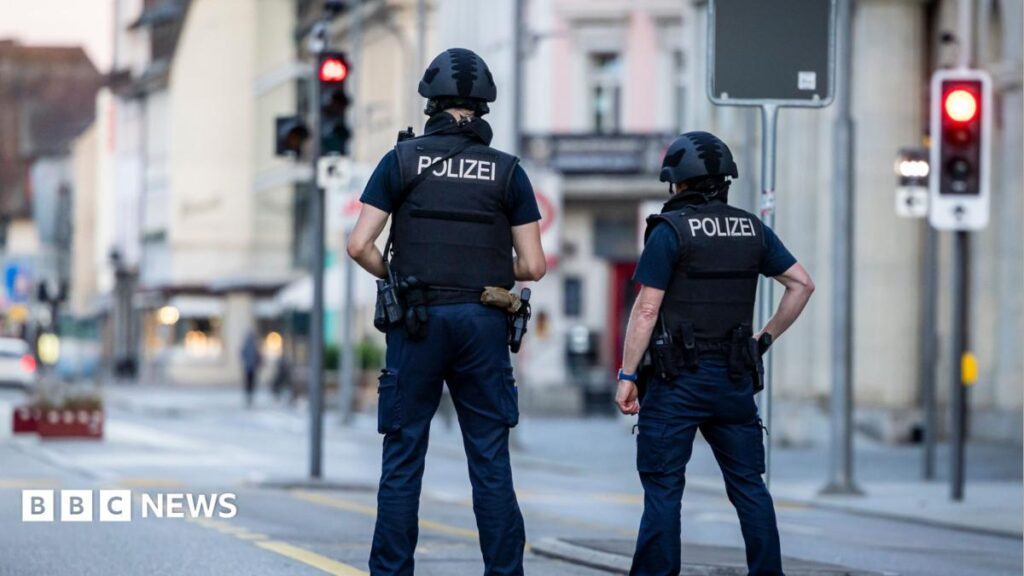
According to the Zurich police press release, the attack occurred in the early hours of August 30, 2026. A single shooter opened fire with a semi‑automatic weapon, killing one attendee and wounding five others before fleeing the scene. Emergency services arrived within minutes, and the victim was pronounced dead at the hospital. Police have sealed off the neighbourhood, set up roadblocks and deployed a tactical unit to track the suspect, who is believed to be a male in his late twenties with a possible personal connection to the event’s organizers.
Investigators have not yet disclosed a motive, but early statements from the cantonal prosecutor suggest that the shooter may have had a personal grievance rather than a politically driven agenda. The police operation, described as “major” by officials, involves coordination between cantonal police, the Federal Office of Police (fedpol) and specialized forensic teams. A nationwide alert has been issued, and the suspect’s description has been circulated to neighboring German and French authorities to prevent cross‑border movement.
Why it matters beyond Switzerland: a symptom of a broader European trend
The Zurich shooting is part of an unsettling rise in firearm‑related incidents across Europe, where historically low homicide rates are being challenged by a mix of factors: the proliferation of illegal weapons, online radicalisation and the spill‑over of gang‑related disputes from other continents. In 2025, the European Union recorded a 12 % increase in shootings compared with the previous year, according to Eurostat data released in June. While Switzerland’s numbers remain low in absolute terms, each new episode amplifies public anxiety and fuels political pressure to tighten already strict gun laws.
For African diaspora communities living in Switzerland and neighboring countries, the incident raises practical concerns about safety in everyday spaces such as community centres, places of worship and cultural festivals. Many African‑Swiss residents already navigate a complex identity landscape, balancing integration with the preservation of cultural ties. A perception that public venues are becoming less secure could discourage participation in communal events that serve as vital hubs for cultural expression and networking.
Regional reactions and the security debate in the Alps
Swiss politicians from the centre‑right Swiss People’s Party to the left‑leaning Social Democrats have seized on the shooting to push divergent agendas. In the National Council, a member of the Green Party called for a review of the “exceptional” gun‑ownership permits that allow certain citizens to keep semi‑automatic rifles for sport shooting. Conversely, the Swiss Shooting Sports Federation warned that blanket restrictions could jeopardise a tradition that contributes roughly CHF 200 million to the national economy each year through competitions, tourism and equipment sales.
Neighbouring countries are also watching closely. Germany’s interior ministry announced that it would increase joint patrols along the Swiss‑German border for the next three months, citing the “potential for cross‑border criminal activity”. France’s security agency, the DGSI, has issued an advisory to its diplomatic staff in Zurich to remain vigilant, especially around venues that host African cultural events, which have become popular gathering points for the diaspora.
What comes next: investigations, policy shifts and the impact on African communities
The immediate priority for Swiss authorities is to apprehend the shooter, a task that will likely involve forensic ballistics, digital‑footprint analysis and cooperation with Interpol. Legal experts predict that, should the suspect be linked to a personal dispute, the case will proceed under existing criminal statutes without triggering a legislative overhaul. However, the political momentum generated by the incident could lead to incremental policy tweaks, such as tighter background checks for semi‑automatic weapons and mandatory psychological assessments for licence renewals.
For African entrepreneurs, artists and students who frequent Zurich’s vibrant cultural scene, the outcome of the investigation may influence future event planning. Organisers of African music festivals and diaspora conferences are already consulting security firms to reassess crowd‑control measures and emergency protocols. While the Swiss government has pledged to protect public safety, the incident underscores the need for community‑led risk assessments that consider the unique dynamics of multicultural gatherings.
Quick Answers
Who is being hunted by Swiss police after the Zurich shooting?
Police are searching for a male suspect in his late twenties who fled the scene; his identity has not yet been released.
How many people were injured in the Zurich shooting near Zurich?
Five people were injured, and one person was killed.
Will the Swiss shooting lead to new gun laws?
While no immediate law change has been announced, the incident is prompting politicians to discuss tighter background checks and stricter licensing for semi‑automatic weapons.
Source: www.bbc.co.uk



💬 Comments 0