Tesla FSD vs Rivian Autonomy+ 2026 hands‑free test: performance, safety guardrails and impact on Africa’s EV market
The race to true hands‑free driving
When Elon Musk unveiled Full Self‑Driving (FSD) as a beta feature in 2023, the promise of a vehicle that could navigate city streets without driver input sent shockwaves through the automotive world. Tesla’s aggressive software‑first strategy, paired with its massive fleet data advantage, has kept it ahead of most rivals in the autonomous‑driving race.
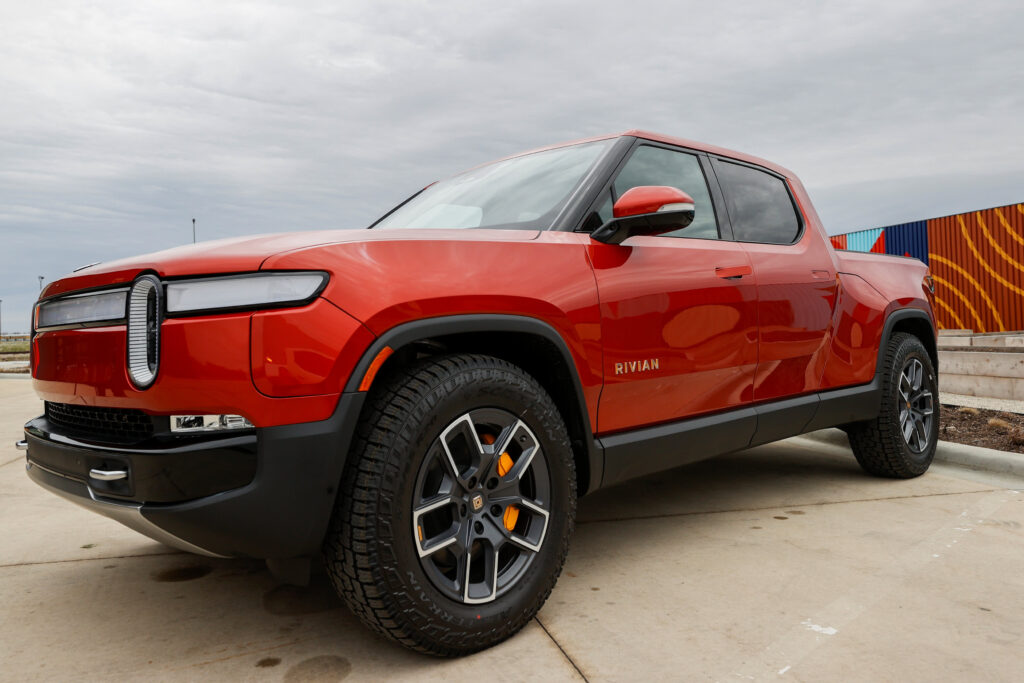
Rivian, the newcomer best known for its electric trucks and SUVs, entered the fray in early 2026 with Autonomy+, a system marketed as “hands‑free” rather than “full self‑driving.” The company frames its approach as a safety‑first alternative, adding extra guardrails that it says Tesla’s FSD lacks. The headline‑grabbing test drives this summer put the two systems side‑by‑side on a mixed‑traffic route in California.
How the two systems actually work
Tesla’s FSD relies on a camera‑only perception stack, supplemented by radar in older models, and a neural‑network that processes billions of miles of fleet data. In the test, the Tesla Model Y handled lane changes, stop‑sign identification and unprotected left turns with minimal driver prompts, but it still required the driver to keep hands on the wheel and be ready to intervene.
Rivian’s Autonomy+ adds a redundant LiDAR unit and a suite of ultrasonic sensors, creating a layered perception system that the company says can detect obstacles even in low‑visibility conditions. During the same drive, Rivian’s R1S paused at a sudden pedestrian crossing and issued a visual and audible cue before the driver could take over, a safeguard that Tesla’s system does not currently provide.
Both platforms use over‑the‑air updates, but Rivian’s approach is more conservative: it caps speed at 45 mph in hands‑free mode and disables the feature on roads without clear lane markings. Tesla, by contrast, allows higher speeds but depends heavily on driver attention monitoring, which critics argue can be gamed.
Why the competition matters beyond the test track
The rivalry is more than a brag‑ging match for tech bragging rights; it signals how quickly the industry is moving toward regulatory acceptance of hands‑free operation. In the United States, the National Highway Traffic Safety Administration (NHTSA) is drafting new rules that could require a minimum level of redundancy for any system marketed as “hands‑free.” Rivian’s extra sensors may give it a head start in meeting those standards.
From a market perspective, the differentiation matters for fleet operators. Companies that run delivery vans or ride‑hailing services are weighing the trade‑off between Tesla’s broader software ecosystem and Rivian’s promise of higher safety margins. A modest safety edge could translate into lower insurance premiums, a factor that could tip the balance for large‑scale adoption.
Investors are also watching the head‑to‑head. Rivian’s recent $2 billion financing round highlighted the importance of autonomous capability in justifying its higher vehicle price tag. Meanwhile, Tesla’s stock has shown sensitivity to any hint of regression in FSD performance, underscoring how tightly linked autonomous progress is to the company’s valuation.
Implications for Africa’s emerging EV ecosystem
Africa’s electric‑vehicle market is still nascent, but it is growing fast. South Africa leads with the highest EV registrations on the continent, while Nigeria, Kenya and Ethiopia are rolling out government incentives to spur adoption. The arrival of hands‑free technology could accelerate that growth by addressing two major pain points: driver fatigue on long‑haul routes and the scarcity of trained drivers for logistics firms.
Rivian’s trucks, with their robust off‑road capability, are already being eyed by mining companies operating in the Democratic Republic of Congo and Zambia. A hands‑free system that can reliably navigate unpaved roads and sudden obstacles would reduce operational costs and improve safety in environments where human drivers face extreme fatigue and hazardous conditions.
Tesla’s FSD, on the other hand, is more suited to urban settings where lane markings and high‑definition maps are common. Cities like Lagos, Nairobi and Johannesburg are experimenting with smart‑city pilots that integrate traffic‑management data with autonomous vehicles. If Tesla can deliver a truly hands‑free experience in those dense, chaotic traffic environments, it could unlock a new wave of ride‑hailing and last‑mile delivery services for African consumers.
Both companies also face unique regulatory hurdles on the continent. Many African nations lack clear legislation on autonomous driving, and road infrastructure varies dramatically from paved highways to dirt tracks. Local regulators will likely demand the kind of redundancy Rivian touts before granting any public‑road certification, meaning Rivian’s safety‑first design could give it a smoother path to market in African jurisdictions.
What’s next for hands‑free tech and African adopters
In the coming year, Tesla plans to roll out an updated FSD version that incorporates a limited LiDAR capability, a move that may narrow the safety gap Rivian currently enjoys. Rivian, meanwhile, has announced a partnership with a South African telematics firm to integrate its Autonomy+ platform with local fleet‑management software, a clear signal that the company is targeting the continent’s logistics sector.
African policymakers are beginning to draft guidelines that mirror the U.S. NHTSA framework, emphasizing sensor redundancy and driver‑alert mechanisms. Countries such as Kenya and Ghana have already convened working groups that include automakers, insurance bodies, and road‑safety NGOs to shape a continent‑wide standard for hands‑free operation.
For consumers, the practical impact will likely be seen first in corporate fleets rather than private ownership. As multinational logistics firms adopt hands‑free trucks for cross‑border routes between Tanzania, Uganda and Rwanda, the technology will gain real‑world validation on the very road conditions that have traditionally limited autonomous deployment. That validation could, in turn, encourage local entrepreneurs to import or even assemble autonomous EVs, creating a feedback loop that accelerates both EV penetration and the development of supporting infrastructure such as fast chargers and data‑exchange hubs.
Quick Answers
What is the main safety difference between Tesla FSD and Rivian Autonomy+?
Rivian adds LiDAR and stricter speed limits, pausing for unexpected obstacles, whereas Tesla relies mainly on cameras and driver monitoring.
How could hands‑free EVs affect African logistics?
They can reduce driver fatigue on long routes, lower insurance costs, and enable mining and delivery firms to operate more efficiently on both paved and rough roads.
When might African countries approve hands‑free driving on public roads?
Regulatory drafts are expected in 2027, with pilot programs likely starting in 2028 after standards for sensor redundancy and driver alerts are finalized.
Source: www.cnbc.com



💬 Comments 0