Texas 2026 Senate race shatters record with $573.2 million spent on Paxton vs Talarico
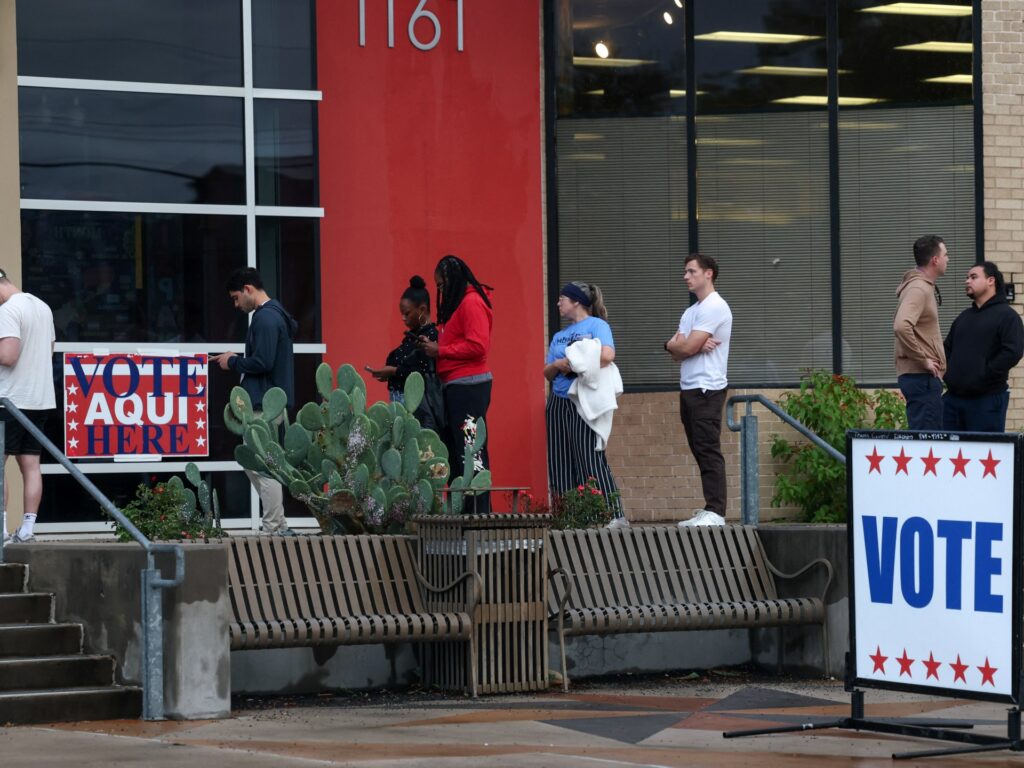
Background: A historic showdown in the Lone Star State
The 2026 United States Senate contest in Texas has quickly become the most expensive race in the nation’s history. Incumbent Republican Governor Greg Paxton, who entered the race after a high‑profile tenure as state attorney general, is pitted against Democratic state senator Maria Talarico, a former educator and community organizer known for her advocacy on immigration reform. Both candidates launched their campaigns in early 2025, but it was the flood of cash that followed—fuelled by super‑PACs, corporate donors, and a wave of small‑donor contributions—that turned the race into a financial juggernaut.
The stakes are unusually high because the seat was previously held by a retiring Republican who had helped cement the party’s dominance in a state that has not voted for a Democratic presidential candidate since 1976. With the Senate now split 50‑50, every seat carries the weight of potential tie‑breaking power for the Vice President. That political balance, combined with Texas’s outsized economic clout, explains why national donors poured record sums into the contest.
Why the $573 million matters: money, power, and policy
Spending $573.2 million on a single Senate race dwarfs the total cost of many entire congressional election cycles. According to the Center for Responsive Politics, the average Senate race in 2024 cost just over $70 million. Such a disparity raises concerns about the influence of money on policy outcomes, especially when a handful of mega‑donors—ranging from fossil‑fuel interests to tech giants—dominate the donor list. Their contributions can shape candidate positions on issues like climate regulation, trade tariffs, and immigration, aligning them more closely with donor priorities than with the broader electorate.
The sheer scale of spending also reshapes the campaign narrative. With millions allocated to television ads, digital micro‑targeting, and high‑tech voter‑contact tools, the race has become a data‑driven battlefield. Critics argue that this trend marginalises grassroots voices, as candidates with deep pockets can out‑spend opponents on messaging, potentially drowning out community‑based concerns that lack corporate backing.
African diaspora in Texas: a silent stakeholder
Texas is home to one of the nation’s fastest‑growing African immigrant populations, with significant communities from Nigeria, Ghana, Kenya, and Ethiopia concentrated in Houston, Dallas, and Austin. These residents are not only voters but also entrepreneurs who contribute heavily to the state’s tech, healthcare, and energy sectors. For many, the Senate race is more than a partisan contest; it determines the future of policies on H‑1B visas, cross‑border trade agreements, and the U.S. approach to African development aid.
Both Paxton and Talarico have courted the diaspora, but their outreach differs. Paxton’s campaign has highlighted Texas’s “energy independence” and pledged to keep the state’s oil and gas jobs secure—a message that resonates with African investors in the sector but raises concerns among climate‑focused diaspora activists. Talarico, meanwhile, has emphasized immigration reform and increased funding for STEM education, appealing to families seeking pathways to citizenship and better job prospects for their children. The record spending means each candidate can afford targeted outreach in languages like Yoruba and Swahili, a tactic rarely seen in earlier Texas elections.
Broader trend: the escalating cost of US Senate races
The Texas race is part of a nationwide surge in Senate campaign expenditures that began after the 2010 Citizens United decision. Since then, the average cost per seat has risen by more than 250 percent, and super‑PACs now dominate fundraising. Analysts at the Brookings Institution note that this inflation of spending is compressing the field of viable candidates, as only those with access to deep pockets can mount competitive campaigns.
The ripple effect extends beyond Washington. State legislatures, mayoral contests, and even local school board elections are feeling the pressure to keep up with national fundraising expectations. Critics warn that the growing financial arms race could erode public trust, especially when voters perceive elected officials as beholden to a narrow set of wealthy interests rather than the diverse constituencies they serve.
Looking ahead: possible outcomes and ripple effects
If Paxton secures the seat, the Republican caucus retains a slim majority, preserving the party’s ability to block or shape legislation on climate, immigration, and foreign aid—including the $1 billion annual U.S. assistance package for African health initiatives. A Talarico victory, however, would flip the Senate balance, potentially unlocking a wave of progressive policies that could increase funding for African development programs and push for more stringent climate action, affecting Texas’s oil‑dependent economy.
Beyond the immediate legislative impact, the race will likely set a new benchmark for future elections. Campaign strategists are already watching how the $573 million was allocated—particularly the heavy investment in data analytics and localized messaging—to replicate the model elsewhere. For African diaspora groups, the outcome will signal whether their concerns about immigration pathways and trade relations can translate into tangible policy influence in a political environment where money increasingly decides who gets heard.
Quick Answers
How much money was spent on the 2026 Texas Senate race?
A total of $573.2 million was poured into the campaigns of Greg Paxton and Maria Talarico, making it the most expensive Senate race ever.
Who are the main candidates in the Texas Senate contest?
Republican Governor Greg Paxton and Democratic state senator Maria Talarico are the two leading candidates.
What could a Talarico win mean for US‑Africa relations?
A Democratic win could boost funding for U.S. aid to Africa and support immigration reforms that benefit African diaspora communities.
Source: www.aljazeera.com




💬 Comments 0