Thomas Frank vows to dodge Arsenal coffee cup gaffe at Brighton vs Palace clash 2026
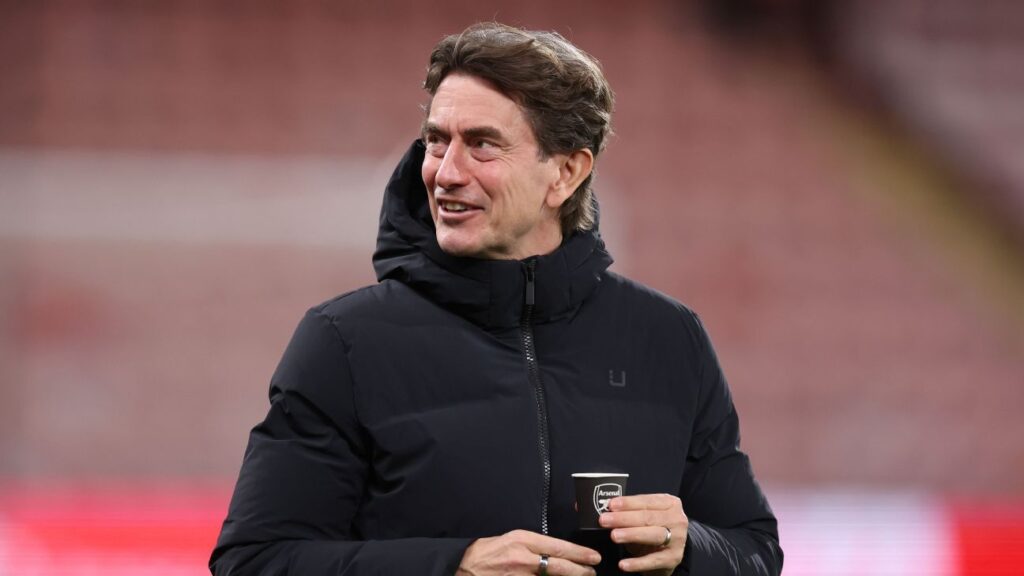
A reminder of a past slip‑up
Thomas Frank first made headlines for a seemingly harmless moment while managing Tottenham Hotspur in 2022. During a post‑match interview, he lifted a branded coffee cup that bore Arsenal’s sponsor logo, prompting a wave of jokes on social media and a brief but sharp criticism from the north London club’s supporters. The incident, though minor, was amplified by the ever‑present media circus surrounding the Premier League, turning a simple prop into a symbol of rivalry and brand loyalty.
The episode resurfaced in the press this week as Frank prepared for Brighton’s away game at Crystal Palace. A reporter asked whether he had learned from the Tottenham episode, prompting Frank to answer that he would “never be caught drinking from a cup that belongs to our rivals again.” His comment, while light‑hearted, underscores how a single visual can linger in the collective memory of fans and sponsors alike.
Why the coffee cup has become a talking point
In modern football, every piece of equipment on a manager’s desk is a potential advertising slot. The Premier League’s commercial value hinges on multi‑million‑pound sponsorship deals, many of which involve global brands that monitor every televised moment. A coffee cup emblazoned with a rival’s logo can inadvertently give free exposure to a competitor, something sponsors are keen to avoid.
Brighton & Hove Albion’s current kit sponsor, a British coffee chain, has recently launched a “Seagull Blend” aimed at younger fans. According to a statement from the club’s commercial director, the brand is exploring market expansion into East Africa, where coffee consumption is rising. Any accidental endorsement of a rival brand could jeopardise those expansion talks, making Frank’s caution more than a personal quirk.
The growing pattern of managerial media gaffes
Frank’s caution is not an isolated case. Over the past five years, several high‑profile managers have found themselves in hot water for off‑the‑cuff remarks or inadvertent product placements. In 2023, a German Bundesliga coach was fined after a live interview showed him holding a competitor’s energy drink, while a Ligue 1 manager in 2024 was criticized for wearing a rival club’s scarf during a press conference.
Even African football has felt the ripple effect. In early 2025, the coach of South Africa’s Kaizer Chiefs was caught on camera sipping a beverage sponsored by a rival telecom company, sparking a debate about the enforcement of sponsorship clauses in the continent’s leagues. These incidents illustrate how the line between casual banter and commercial liability is increasingly thin.
Implications for Brighton and the Premier League
For Brighton, the incident is a reminder that brand integrity is now woven into tactical preparation. The club’s commercial team has reportedly briefed the coaching staff on “visual compliance,” a checklist that includes everything from coffee mugs to water bottles. Sources close to the club say that any breach could trigger a clause in the sponsorship contract, potentially costing the club a six‑figure penalty.
The Premier League itself is tightening oversight. A recent memo from the league’s commercial affairs department, leaked to the press, urges clubs to appoint a “brand compliance officer” for each matchday squad. While the measure aims to protect league‑wide sponsor interests, it also raises questions about the freedom of expression for managers, who have traditionally used humor to defuse tension.
What’s next for Frank and other managers?
Frank’s pledge to avoid the “Arsenal cup” is likely to become part of a broader protocol at Brighton. Analysts predict that clubs will invest in pre‑match media training that includes a review of all visible branding elements. In addition, some clubs are experimenting with “sponsor‑only” kits for staff, ensuring that any incidental exposure aligns with existing agreements.
The episode also highlights the power of social media to magnify minor slip‑ups. A single screenshot can trend within minutes, prompting clubs to adopt real‑time monitoring tools. For managers, the lesson may be simple: keep personal props neutral, or risk becoming a footnote in a sponsorship dispute rather than a tactical discussion.
Broader takeaways for fans and the African diaspora
Fans across the continent, many of whom follow the Premier League avidly, are increasingly aware of how commercial deals affect the game they love. The rise of African‑origin coffee brands partnering with European clubs means that a manager’s cup choice can indirectly influence market entry strategies on the continent. As African coffee producers look to Europe for growth, they watch these sponsorship narratives closely.
For the African diaspora in the UK, moments like Frank’s comment provide a reminder that the sport they support is intertwined with global commerce. It also offers a glimpse into how clubs are navigating cultural sensitivities while chasing lucrative deals. In a world where a coffee cup can spark a media cycle, the smallest details matter to fans, sponsors, and the broader football ecosystem alike.
Quick Answers
What was Thomas Frank’s coffee cup controversy?
In 2022, while managing Tottenham, Frank was filmed holding a coffee cup bearing Arsenal’s sponsor logo, prompting jokes and a brief sponsor‑related criticism.
Why does a coffee cup matter for football clubs?
Because any visible branding can give free exposure to a rival sponsor, potentially breaching commercial contracts worth millions.
How could this affect Brighton’s sponsorship deals?
A breach could trigger penalties in the club’s coffee‑brand agreement and jeopardise planned market expansion into regions like East Africa.
Source: www.espn.com




💬 Comments 0