Tibet flash floods 2026: Why hidden footage hampers climate response and what it means for Africa’s disaster planning
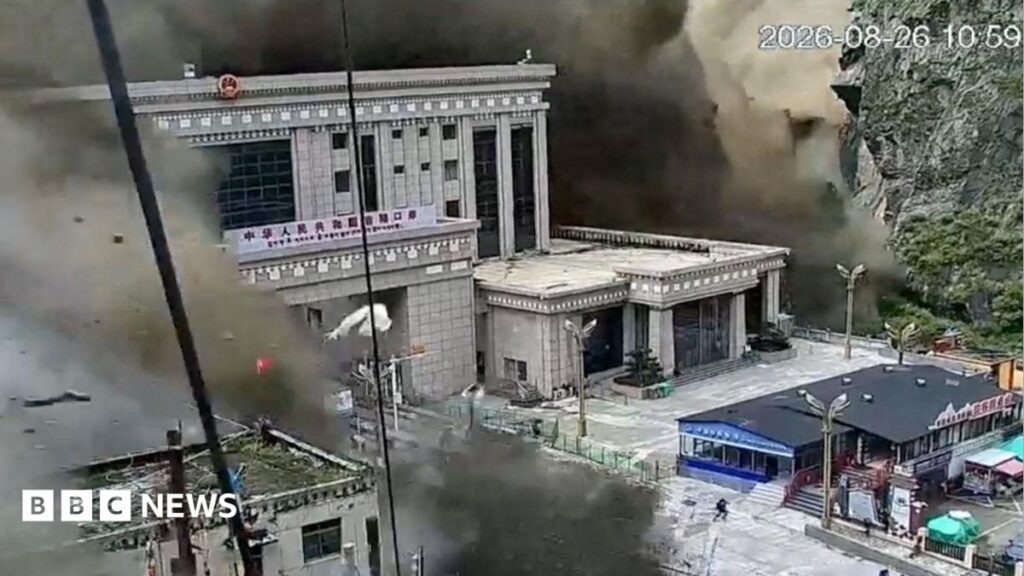
A deadly torrent in the Himalayas
On 14 August 2026, unprecedented monsoon rains triggered flash floods across the Ngari and Shigatse prefectures of the Tibet Autonomous Region, killing at least 78 people and washing away villages, roads and farmland. Satellite images showed water levels rising to over 3 metres in some valleys, while local officials reported that more than 1,200 homes were damaged or destroyed.
The disaster came just weeks after a record‑breaking heatwave that melted glacial lakes faster than any previous year, a phenomenon scientists have linked to accelerating climate change in the Himalayas. The World Meteorological Organization warned that such compound events – heat‑driven glacial melt combined with heavy rain – are becoming the new normal in high‑altitude regions.
Why the footage is missing
Chinese state media released only a handful of short clips, all taken from official rescue helicopters. Independent journalists and citizen‑recorded videos from the affected towns have not been broadcast, and many have been removed from social platforms after the authorities cited “public order” concerns. According to a report by Radio Free Asia, local police warned residents against sharing images that could “damage national image.”
The censorship is not new. Beijing routinely limits visual evidence of natural disasters in sensitive border regions, fearing that graphic scenes could fuel separatist sentiment or international criticism over infrastructure neglect. The result is a data vacuum that makes it difficult for humanitarian groups to assess needs on the ground.
Global climate modelling suffers from blind spots
Accurate, real‑time data from flood events feed into climate‑risk models used by the United Nations and the World Bank to allocate adaptation funding. When footage and on‑the‑ground reports are withheld, the models underestimate the frequency and severity of Himalayan flash floods, which in turn skews risk assessments for downstream countries such as India, Nepal and Bangladesh.
For African nations, the impact is indirect but significant. The same climate‑risk platforms guide the distribution of the Green Climate Fund, which supports flood‑resilient infrastructure across the continent. If Himalayan flood data are incomplete, the global risk pool becomes distorted, potentially diverting resources away from African river basins that face similar flash‑flood threats.
What African disaster planners can learn
African governments have been pushing for greater transparency in disaster reporting after the 2024 floods in Malawi and the 2025 cyclone season in Mozambique. The Tibetan case underscores why open data matters: early‑warning systems rely on satellite imagery, local observations, and rapid‑share video to calibrate alerts. When a major state blocks that flow, neighboring regions lose a crucial reference point for calibrating their own warning thresholds.
Civil‑society groups in Kenya and Uganda are already using crowdsourced platforms like Ushahidi to map flood impacts in real time. The Tibetan example offers a cautionary tale that technology alone cannot replace political will. Advocacy for legal frameworks that protect whistle‑blowers and citizen journalists could help African nations avoid a similar blackout.
Diaspora solidarity and fundraising gaps
The Tibetan diaspora in India, the United States and Europe has mobilised emergency relief through NGOs such as the Tibetan Relief Fund, but the lack of verified images hampers donor confidence. A similar pattern emerged after the 2023 earthquake in Turkey, where NGOs reported a 30 % drop in donations after social media footage was censored.
African diaspora organisations, especially those based in the UK and Canada, have expressed willingness to channel funds to the Himalayan victims, but they also note that opaque reporting makes it harder to guarantee that aid reaches the most vulnerable. Transparent impact reporting is becoming a prerequisite for cross‑continental philanthropy.
What comes next – calls for openness and international monitoring
Human rights groups and climate NGOs are urging the Chinese government to lift restrictions on flood footage and to allow independent investigators access to the affected sites. The International Federation of Red Cross and Red Crescent Societies has offered to deploy a joint assessment team, but Beijing has not yet responded to the invitation.
If the Chinese authorities continue to withhold visual evidence, pressure is likely to mount from the UN Office for Disaster Risk Reduction, which has warned that “information opacity undermines global solidarity in the climate era.” A more transparent approach could set a precedent for how other authoritarian regimes handle climate‑related disasters, benefiting vulnerable communities from the Sahel to the Andes.
Quick Answers
How many people were killed in the 2026 Tibet flash floods?
At least 78 people died, according to official Chinese reports released in August 2026.
Why is the lack of flood footage a problem for climate aid in Africa?
Missing data from the Tibet floods skews global climate‑risk models, which guide Green Climate Fund allocations that many African countries depend on for flood‑resilient projects.
What can African governments do to avoid similar information blackouts?
They can enact laws protecting citizen journalists, invest in independent crowdsourced mapping tools, and demand transparent reporting from international partners during disasters.
Source: www.bbc.co.uk




💬 Comments 0