TikTok Star Sydney Towle Dies at 26 After Cancer Battle, Spotlight on Health Influencers and Digital Grief
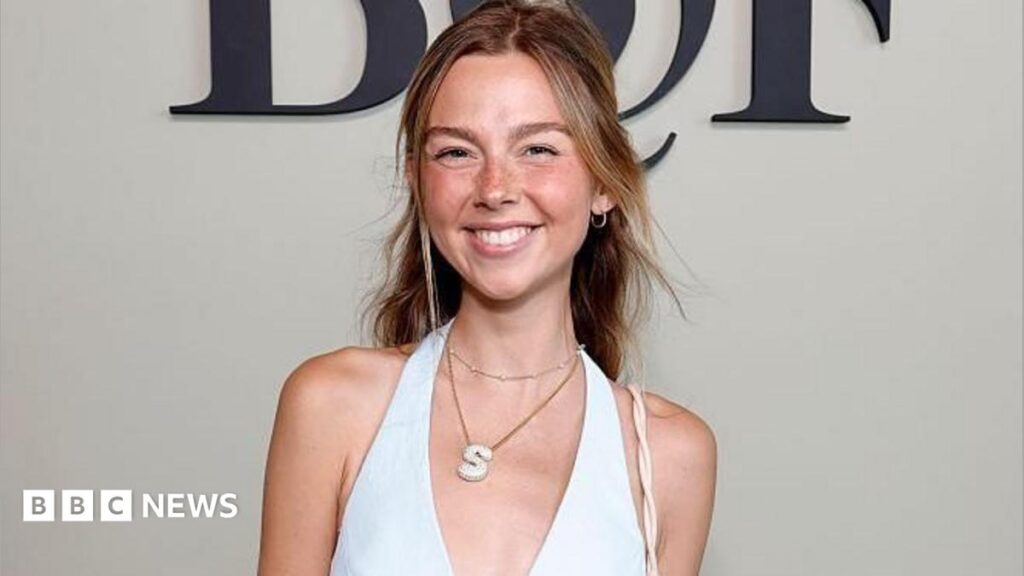
A Brief Look at Sydney Towle’s Online Journey
Sydney Towle, a 26‑year‑old TikTok creator from the United States, built a following of more than 1.5 million by documenting her life with a rare form of cancer. Her videos combined candid updates on treatment cycles with humor, music, and daily‑life snippets, turning a private struggle into a public conversation.
Her most‑watched clips showed her navigating chemotherapy side‑effects, sharing the emotional toll of hospital visits, and celebrating small victories like a good scan result or a birthday party. Fans repeatedly praised her for “humanising” a disease that is often discussed only in clinical terms.
Towle’s death was announced on August 5, 2026, by her family on Instagram, confirming that she passed away after a prolonged battle with the illness. The announcement quickly spread across platforms, prompting an outpouring of grief from followers worldwide.
Why the Loss Resonates Beyond a Single Platform
Towle’s story illustrates the growing power of social‑media creators to shape public health narratives. In the past decade, TikTok has become a primary source of health information for Gen Z, with creators posting everything from mental‑health tips to vaccine myths. Towle’s transparent approach offered a counter‑point: a lived experience that could not be reduced to sound bites.
According to a 2024 Pew Research study, 62 % of U.S. teens say they have learned about a medical condition from a social‑media influencer. When an influencer like Towde dies, the impact ripples through that audience, prompting questions about survivorship, support networks, and the emotional cost of following health journeys online.
The grief also highlights the responsibility platforms face. TikTok has been criticised for its algorithmic promotion of sensational content, yet it simultaneously amplifies compassionate storytelling. Towle’s death may pressure the company to improve mental‑health resources for creators and viewers alike.
The African Connection: Digital Health Storytelling on the Continent
While Towle was not African, her model of open‑door health storytelling mirrors a rising trend among creators across the continent. Nigerian TikTokers such as Dr. Aisha Bello (@healthynigeria) and Ghanaian activist Kwame Osei (@cancerwarriorGH) now share personal battles with chronic illnesses, using the same short‑form format to demystify diseases that are often stigmatised.
These African voices are leveraging the same audience‑building tactics—raw video diaries, community Q&A sessions, and collaborations with local NGOs—to raise awareness about conditions like sickle‑cell disease, breast cancer, and mental health disorders that disproportionately affect African populations.
Towde’s death may accelerate this movement, as African creators see both the reach and the vulnerability of exposing personal health struggles. The incident also underscores the need for African health ministries to partner with digital influencers, ensuring that accurate medical information accompanies emotionally charged narratives.
Industry Reactions: From Brands to Healthcare Providers
Within hours of the news, several brands that had previously partnered with Towle—ranging from skincare lines to tele‑medicine apps—issued statements expressing condolences and pledging to support cancer‑research charities. This swift corporate response reflects a growing awareness that influencer affiliations can become ethically complex when a creator’s health is involved.
Healthcare organisations, including the American Cancer Society, referenced Towde’s story in recent webinars, using her timeline as a case study for patient‑centred communication. They argued that the “digital diary” format can improve treatment adherence when patients feel seen and heard by an online community.
Conversely, some critics warned that the commodification of illness could lead to exploitation. A media analyst cited in The Guardian suggested that platforms must balance monetisation with safeguards against “trauma‑tourism,” where audiences consume suffering as entertainment.
What Comes Next: Legacy, Policy, and the Future of Health Influencing
Towde’s family announced plans to establish a scholarship fund for young creators who wish to produce health‑focused content, aiming to turn personal loss into a sustainable support system for future storytellers. The fund will be managed in partnership with the nonprofit “StoryHealth Initiative,” which already runs digital‑media workshops in East Africa.
Policy‑makers are also taking note. In a hearing held by the U.S. Senate Commerce Committee last week, legislators discussed whether existing disclosure rules for health‑related influencer content are sufficient. Proposals include mandatory links to verified medical sources whenever a creator discusses diagnosis or treatment.
For African audiences, the key takeaway is the potential of digital platforms to bridge gaps in health education while also demanding stronger local regulation. As more Africans turn to TikTok for medical guidance, governments and NGOs will need to create frameworks that protect vulnerable viewers without stifling the authentic voices that are reshaping public health discourse.
Quick Answers
Who was Sydney Towle and why was she popular on TikTok?
Sydney Towle was a 26‑year‑old TikTok creator who documented her cancer battle, gaining over 1.5 million followers for her candid, humorous, and hopeful videos.
How does Sydney Towde’s death affect health influencers in Africa?
Her passing highlights the power and risks of sharing personal illness online, encouraging African creators to use their platforms responsibly while prompting NGOs and governments to partner with them for accurate health messaging.
What steps are being taken to protect viewers of health‑related influencer content?
U.S. lawmakers are reviewing disclosure rules for health influencers, and platforms like TikTok are being urged to improve mental‑health resources and fact‑checking for medical posts.
Source: www.bbc.co.uk




💬 Comments 0