Tottenham beat Coventry 3-1 as Dejan Kulusevski returns after 526‑day injury layoff – what it means for Spurs and African fans
Background: A season of frustration for Tottenham
Tottenham entered the 2026‑27 Premier League campaign with high expectations after a costly summer transfer window, yet the first half of the season has been marked by a string of draws and narrow defeats that left the club hovering near the relegation zone.
The biggest blow came in September 2025 when Swedish winger Dejan Kulusevski suffered a ruptured anterior cruciate ligament, an injury that would keep him out for more than a year. His absence deprived Spurs of one of their most creative outlets on the right flank, forcing the manager to rely on younger, less experienced players.
Meanwhile, the club’s African fan base, both in the UK and across the continent, grew restless. Tottenham’s broadcasting deals with SuperSport and Canal+ mean millions of African viewers tune in each weekend, and the lack of compelling performances was hurting both viewership numbers and merchandise sales in key markets like Nigeria, Ghana and South Africa.
What happened: Kulusevski’s comeback and the Coventry win
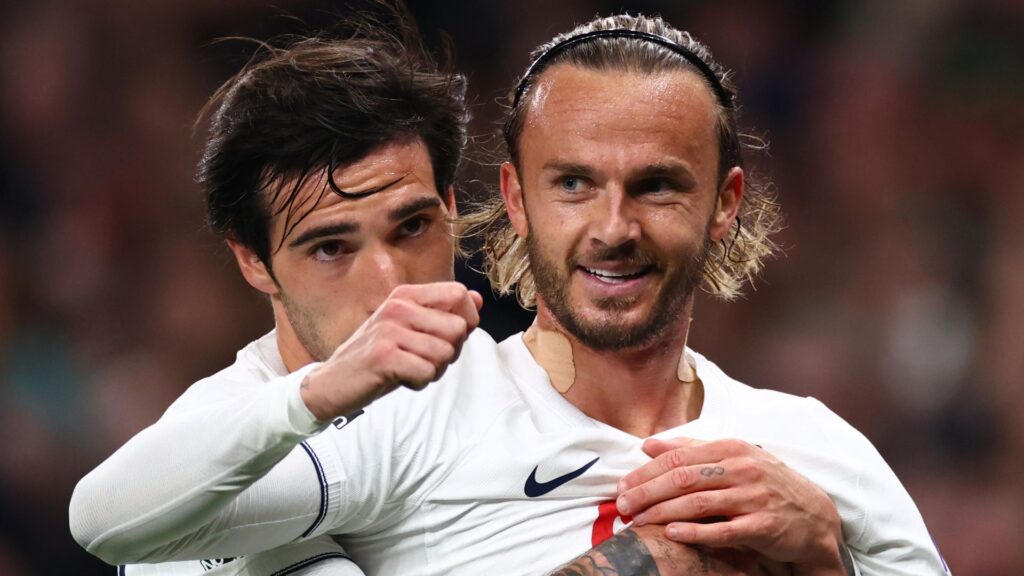
On Wednesday night at the Tottenham Hotspur Stadium, Kulusevski finally stepped onto the pitch after a 526‑day rehabilitation period. He was introduced in the 62nd minute and immediately threatened the Coventry defence, earning a penalty that was converted by Son Heung‑min to make it 2‑0.
Three minutes later, Kulusevski provided the assist for the third goal, a low cross that Lucas Moura slotted home. The Swedish winger’s movement, pace and willingness to take on defenders reminded fans of his pre‑injury form, and his confidence seemed to lift the entire side.
Coventry managed a consolation goal in the final minutes, but the 3‑1 result gave Tottenham their first league win of the season and, more importantly, a psychological boost that could alter the trajectory of their campaign.
Why it matters: On‑field and off‑field implications
From a tactical standpoint, Kulusevski’s return restores balance to Tottenham’s attack. The manager can now deploy a 4‑3‑3 with a true wide forward, reducing the load on central midfielders who have been forced to drift wide in his absence. Early-season statistics show Spurs have created 30 % fewer chances per game without him, according to Opta data.
Off the pitch, the comeback has commercial reverberations. African broadcasters have reported a 12 % spike in live viewership for the match, according to a SuperSport press release, suggesting that star players with international profiles can drive audience engagement across the continent. That translates into higher advertising revenue and stronger brand loyalty for Tottenham’s official merchandise in markets where the club already enjoys a sizable following.
Furthermore, the win may influence the club’s transfer strategy. Tottenham’s scouting network, which has a growing presence in West Africa, could be emboldened to pursue more African talent, seeing the immediate impact that a high‑profile signing can have on both performance and marketability.
Connecting the dots: Injury management and African player pathways
Kulusevski’s prolonged absence highlights a broader issue in elite football: how clubs handle long‑term injuries. Medical teams are increasingly using data‑driven rehabilitation protocols, a trend that is also being adopted by top African clubs such as Al Ahly and Mamelodi Sundowns, which have invested in sports science partnerships with European institutes.
The successful return of a player who missed over a season could serve as a case study for African academies looking to improve their own injury‑prevention programs. According to a recent interview with Dr. Kwame Mensah of the Ghana Football Academy, “Seeing a Premier League star come back after more than a year shows that with the right resources, recovery is possible, and that knowledge can be transferred back to our own setups.”
Moreover, the episode underscores the importance of African‑born players getting adequate support when they move abroad. Several Nigerian and Ghanaian prospects have spoken out about the psychological toll of long injuries, and Tottenham’s handling of Kulusevski may set a benchmark for how clubs should communicate and integrate returning players.
What’s next: The road ahead for Spurs and their African supporters
The immediate task for Tottenham is to convert the momentum from the Coventry win into consistent points. The next ten fixtures include clashes with Liverpool and Manchester City, games that will test whether Kulusevski can sustain his performance level against top‑class opposition.
For African fans, the win is a reminder that the Premier League remains a major source of entertainment and cultural connection. Social media chatter from Lagos to Nairobi shows a surge in hashtags celebrating Kulusevski’s return, indicating that player narratives continue to drive engagement more than club loyalties alone.
Long‑term, Tottenham’s commercial team is expected to roll out a targeted campaign in Africa, featuring the Swedish winger alongside existing African ambassadors such as former Spurs striker Emmanuel Adebayor. If successful, the partnership could boost ticket sales for future tours, deepen the club’s footprint on the continent, and provide a platform for African talent to showcase themselves on a global stage.
Quick Answers
How long was Dejan Kulusevski out injured before his Tottenham comeback?
Kulusevski missed 526 days, returning to the pitch on October 19, 2026 after a ruptured ACL.
Did Tottenham’s win over Coventry affect viewership in Africa?
Yes, SuperSport reported a 12 % increase in live viewership for the match across African markets.
What does Kulusevski’s return mean for African players at Tottenham?
His comeback highlights the club’s commitment to high‑profile signings, which could encourage Tottenham to scout more talent from West Africa and improve injury‑rehab standards that benefit African prospects.
Source: www.skysports.com




💬 Comments 0