Truck kills pedestrian on Lagos‑Ibadan Expressway: What the crash reveals about Nigeria’s road safety crisis in 2026
A perilous stretch: the Lagos‑Ibadan Expressway’s safety record
The Lagos‑Ibadan Expressway, spanning over 150 kilometres, is Nigeria’s busiest highway, linking the economic hub of Lagos with the industrial city of Ibadan. Since its opening in the 1970s, the road has been plagued by a mix of structural decay, inadequate lighting and a chronic shortage of pedestrian crossings. The Federal Road Safety Corps (FRSC) reported that between 2020 and 2025, the expressway accounted for roughly 30 % of all fatal road accidents in the country, despite representing less than 5 % of total road kilometres.
A 2024 study by the Lagos State Ministry of Transportation found that more than 1,200 pedestrians are struck on the expressway each year, many of them informal workers trying to cross to access roadside markets or bus stops. The lack of safe overpasses forces commuters to gamble with their lives, especially during peak traffic hours when trucks and heavy‑load vehicles dominate the lanes.
What happened on Wednesday: the OPIC corridor crash
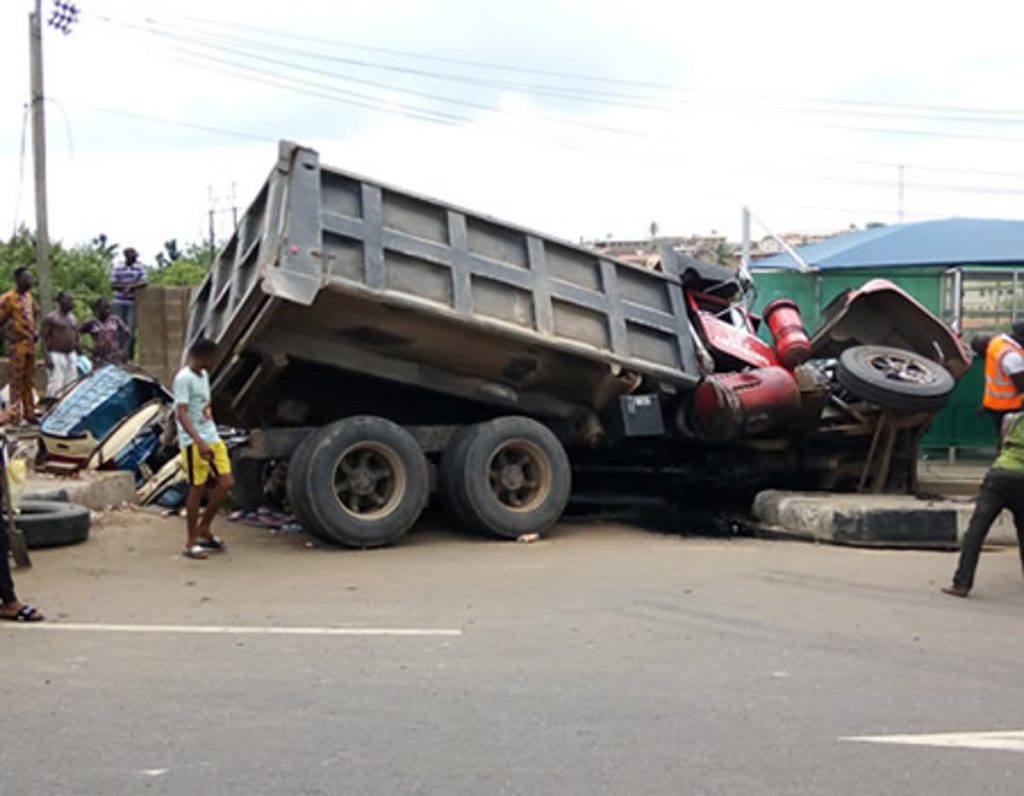
Shortly before 1 p.m. on 20 August 2026, a young adult—identified by local witnesses as a male in his twenties—attempted to cross the Lagos‑bound carriageway near the OPIC (Oil Palm Industries Company) corridor in Ogun State. According to eyewitnesses, a large commercial truck travelling at high speed failed to stop, striking the pedestrian and crushing him beneath its chassis. The driver fled the scene, prompting a suspected hit‑and‑run investigation by the FRSC.
Emergency responders arrived within minutes, but the victim was pronounced dead on site. The truck, a 24‑tonne articulated lorry registered to a logistics firm based in Lagos, was later impounded. Police have not yet released the driver’s identity, citing an ongoing investigation.
Why the crash matters: beyond a single tragedy
While any loss of life is tragic, this incident underscores a systemic failure that costs Nigeria an estimated $2.5 billion annually in lost productivity, medical expenses and property damage, according to a 2025 World Bank report on African road safety. Pedestrian fatalities, in particular, are rising, with the FRSC noting a 12 % increase in foot‑traffic deaths on major highways in 2025 alone.
The economic implications are stark for commuters who rely on the expressway for daily work. Frequent accidents disrupt freight movement, inflate logistics costs, and erode investor confidence in Nigeria’s transport infrastructure. For the diaspora, these safety concerns translate into heightened risk for family members who travel between Lagos and the interior, and they fuel calls for stricter regulation of foreign‑owned logistics firms operating in the country.
Public and institutional reactions: demands for accountability
The Lagos State chapter of the Nigeria Union of Road Transport Workers (NURTW) condemned the incident, urging the FRSC to enforce heavier penalties for hit‑and‑run offenses. In a statement released on social media, the union said, “The loss of another life on our highways is a symptom of weak enforcement and a lack of pedestrian infrastructure.”
Civil‑society groups such as Safe Roads Nigeria have rallied online, calling for immediate construction of pedestrian overpasses at high‑risk points like the OPIC corridor. The group cited a 2023 petition that gathered over 45,000 signatures, demanding that the Ministry of Works allocate ₦3 billion for new footbridges along the expressway. Meanwhile, the Ministry of Transportation announced a review of the expressway’s safety audit, promising a “comprehensive plan” by the end of the year.
What’s next: policy shifts, technology and community solutions
In response to mounting pressure, the federal government is piloting a “Smart Highway” initiative that will install speed‑monitoring cameras and automatic number‑plate recognition (ANPR) systems on the Lagos‑Ibadan corridor. The technology, already trialled on a 20‑kilometre stretch near Lagos Airport, is designed to flag overspeeding trucks and issue instant fines, a move that could deter reckless driving.
Long‑term solutions also hinge on infrastructural upgrades. The Ministry of Works has earmarked ₦12 billion in the 2027 budget for the construction of ten new pedestrian overpasses and the refurbishment of existing ones. If fully implemented, these structures could reduce pedestrian‑related accidents by up to 40 %, according to a 2024 impact assessment by the International Road Federation.
Community‑led initiatives are emerging as well. In Ogun State, local NGOs have begun training “road safety ambassadors” who assist pedestrians at dangerous crossing points during rush hour. While such grassroots efforts cannot replace systemic reforms, they illustrate a growing public willingness to mitigate risk while waiting for policy action.
Quick Answers
How many pedestrians die on the Lagos‑Ibadan Expressway each year?
Approximately 1,200 pedestrians are killed annually on the expressway, according to a 2024 Lagos State transportation study.
What penalties does Nigeria impose for hit‑and‑run crashes?
Under the 2022 Road Traffic Act, hit‑and‑run offenders can face up to five years in prison and fines up to ₦5 million, though enforcement has been inconsistent.
When will the new pedestrian overpasses on the expressway be completed?
The federal budget earmarks construction of ten overpasses for 2027, with completion expected by late 2028 if funding remains on schedule.
Source: dailypost.ng




💬 Comments 0