Trump downplays AI risk warnings, calls concerns ‘negative forces’ amid US‑China rivalry
The AI warning landscape in 2026
Since the launch of powerful generative models in 2023, policymakers, technologists and civil‑society groups have been sounding alarms about AI’s potential to amplify misinformation, automate weaponry and deepen inequality. In the United States, bipartisan bills have been introduced to fund safety research, tighten export controls and create a federal AI oversight board. Meanwhile, European regulators are moving toward a continent‑wide AI Act, and African nations are drafting their first AI strategies, often with support from the United Nations and the African Union.
The concerns are not limited to speculative dystopias. Real‑world incidents – from deep‑fake political ads that swayed local elections in Kenya to AI‑generated phishing scams that stole millions from Nigerian banks – have shown that the technology can be weaponised today. These events have prompted a wave of advisory panels, such as the White House’s National AI Advisory Committee, to issue concrete recommendations on transparency, data provenance and accountability.
Trump’s dismissal and its domestic fallout
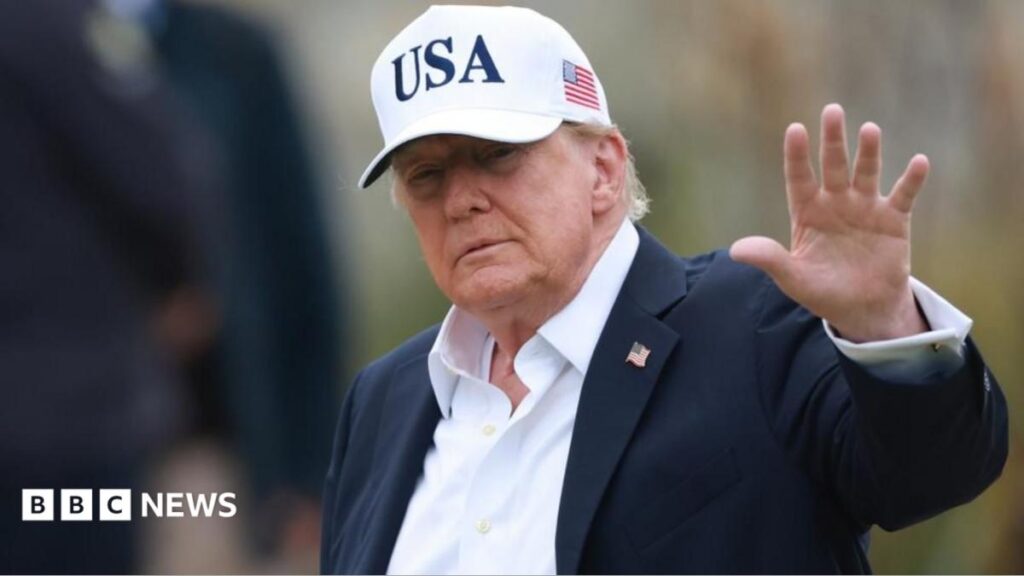
In a televised interview on September 13, President Donald Trump brushed off the growing chorus of AI cautions, describing the warnings as “negative forces” peddling “things that won’t happen.” He suggested that the hype was driven by political opponents seeking to slow American innovation. The remarks echoed a broader pattern of the administration’s skepticism toward regulatory proposals that could be seen as limiting the tech sector’s growth.
Political analysts say Trump’s stance could stall the momentum behind pending AI legislation. If the White House continues to downplay risk, congressional leaders may find it harder to rally bipartisan support for a robust oversight framework. Industry groups have already expressed concern that a lack of clear guidance could deter investment, especially from venture capitalists wary of sudden policy shifts.
US‑China AI rivalry and the African angle
The United States and China are locked in an AI arms race, each vying for dominance in talent, data and compute power. While the U.S. emphasises ethical guidelines, Beijing pushes rapid deployment, often partnering with local firms in developing markets. African countries are becoming an arena where this competition plays out, as Chinese AI giants such as Baidu and SenseTime have signed multiple deals to provide cloud services, facial‑recognition platforms and language models to governments across the continent.
Experts warn that a U.S. retreat from AI risk‑management could hand Beijing a strategic advantage in Africa. Chinese firms, buoyed by state subsidies, are able to offer cheaper AI solutions that may bypass stringent data‑privacy standards. For African startups, this creates a dilemma: aligning with Chinese technology can accelerate product development, but may also expose them to geopolitical dependencies and data‑sovereignty concerns.
What the AI debate means for African tech ecosystems
African innovators are watching the U.S. debate closely because it will shape the availability of open‑source tools, research grants and talent‑exchange programmes. The United States has historically funded AI research collaborations through agencies like USAID and the National Science Foundation. A softer stance on regulation could lead to reduced funding for safety‑oriented projects that many African universities rely on.
Conversely, the lack of a clear U.S. policy may open space for regional bodies to craft their own standards. The African Union’s “Digital Transformation Strategy” already calls for a continent‑wide AI ethics framework. If African policymakers seize the moment, they could set rules that balance innovation with safeguards, potentially positioning the continent as a model for responsible AI deployment.
Looking ahead: policy, investment and public perception
In the short term, lawmakers are expected to push a revised AI bill through Congress that would impose risk‑based licensing for high‑impact systems. Sources close to the White House say the administration is weighing whether to endorse the legislation or rely on market forces alone. The outcome will signal to African investors whether the U.S. market will remain a safe harbour for AI startups seeking to expand abroad.
Public opinion is also shifting. A recent Pew Research poll found that 62 % of Americans believe AI poses a serious threat to society, a figure that has risen steadily since 2022. In Africa, surveys by the African Development Bank show similar anxieties, especially around job displacement and surveillance. How leaders address these fears—whether through transparent regulation or through dismissive rhetoric—will influence the next wave of AI adoption across the continent.
Quick Answers
What did President Trump say about AI risk warnings?
He described the warnings as coming from “negative forces” exaggerating unlikely scenarios.
How could the US‑China AI rivalry affect African countries?
The competition may push Chinese AI firms deeper into African markets while a muted US stance could limit American funding and oversight, influencing data sovereignty and investment choices.
What steps are African governments taking on AI policy?
Many are drafting continent‑wide ethics guidelines, seeking partnerships for responsible AI research, and considering their own licensing regimes to protect citizens.
Source: www.bbc.co.uk



💬 Comments 0