Trump says Iran war won’t end until after November 2026 elections, oil prices to stay high
Background: US‑Iran tensions and the looming election
The United States and Iran have been locked in a series of proxy confrontations since the U.S. withdrawal from the 2015 nuclear deal in 2018. Recent flashpoints – from drone attacks on oil facilities in the Persian Gulf to the seizure of American vessels – have revived fears of a broader conflict, even though both capitals have stopped short of a formal declaration of war.
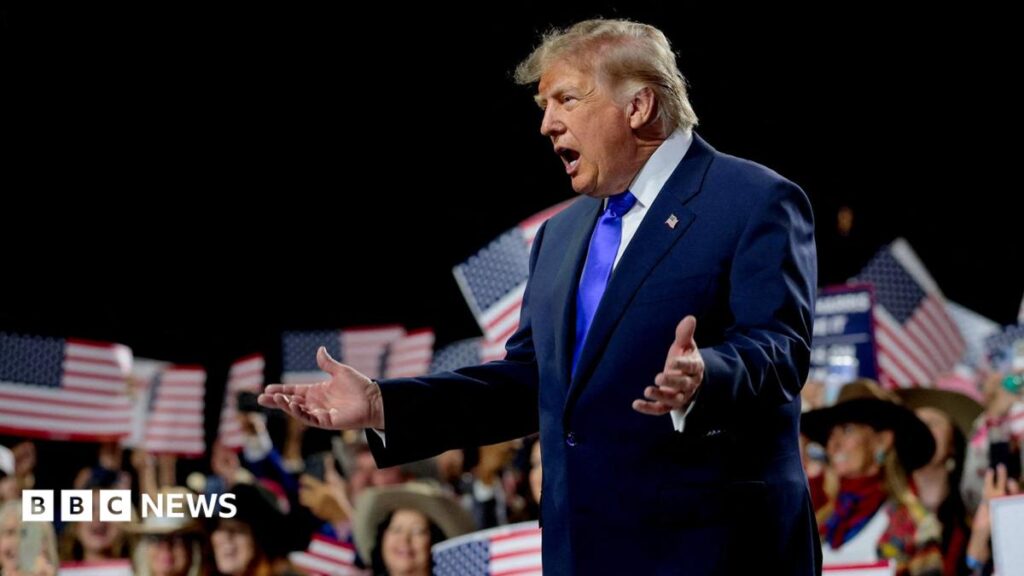
In the United States, the 2026 mid‑term elections are shaping up as a decisive referendum on foreign policy. With the House of Representatives and a third of the Senate up for grabs, candidates are already using the Iran question to rally their bases. Former President Donald Trump, who remains an influential voice in the Republican Party, entered the conversation on September 10, asserting that any military resolution with Tehran will be delayed until after the November vote.
Why Trump’s claim matters for geopolitics
Trump’s statement is less about a concrete military timeline and more about political signaling. By tying the end of hostilities to the election calendar, he suggests that a Democratic‑led Congress would be more likely to push for a negotiated settlement, while a Republican‑controlled one might adopt a tougher stance. This framing puts pressure on candidates to adopt clearer positions on Iran, potentially polarising an already fragmented race.
Analysts note that such rhetoric can have a self‑fulfilling effect. "When a high‑profile figure links a conflict to an election, it can constrain diplomatic flexibility," said a senior fellow at the Center for Strategic and International Studies. If policymakers feel they must appear strong on security to avoid electoral penalties, they may be less willing to pursue back‑channel talks that could de‑escalate the situation.
Oil price volatility and its ripple effect on African economies
The Middle East remains a linchpin of global oil supply, and any escalation involving Iran threatens to tighten the market. Since Trump’s remarks, Brent crude has hovered around $95 a barrel, a level not seen since early 2022. For African oil exporters such as Nigeria, Angola and Equatorial Guinea, higher prices can boost export revenues in the short term, but they also raise the stakes for domestic inflation and currency stability.
Nigeria, Africa’s largest oil producer, has already been wrestling with a weakening naira and rising food prices. A sustained price surge could widen the fiscal gap, forcing the government to allocate a larger share of its budget to oil‑related spending at the expense of social programs. Conversely, oil‑importing nations like South Africa and Kenya could see import bills swell, putting further pressure on already fragile balance‑of‑payments positions.
African diaspora and investor reactions
The African diaspora in the United States and Europe closely monitors U.S. foreign policy because it often translates into market movements that affect remittance flows. Remittances to Sub‑Saharan Africa hit a record $78 billion in 2025, according to the World Bank, and any volatility in oil‑linked currencies can alter the real value of those transfers.
Investors in African sovereign bonds and equities have reacted cautiously. The Johannesburg Stock Exchange slipped 0.7 % on the news, while Nigeria’s 10‑year bond yield rose to 12.3 %. Portfolio managers are re‑balancing exposure to energy‑heavy sectors and hedging against further oil‑price spikes, a trend that could limit capital inflows to emerging‑market projects unrelated to hydrocarbons.
What could happen next? Diplomatic, electoral and market scenarios
If the November elections produce a Democratic majority, there is a plausible path toward renewed diplomatic outreach with Tehran, potentially reviving talks on a new nuclear framework. Such a move could ease oil market anxiety, bring prices down toward $80 a barrel, and give African economies breathing room to stabilise their currencies.
A Republican win, however, might sustain a hard‑line posture. In that case, the U.S. could increase naval patrols in the Gulf, impose additional sanctions, and keep oil supplies constrained. The resulting price environment would likely keep inflationary pressures high across the continent, prompting central banks in Nigeria, Ghana and Zambia to tighten monetary policy further.
Regardless of the electoral outcome, market participants are watching for any sign of back‑channel diplomacy. A discreet agreement between the U.S. and Iran, even if not publicly announced, could quickly reverse the price trajectory. For African policymakers, the key takeaway is to prepare contingency plans – from fiscal buffers to social safety nets – that can absorb shocks from either a prolonged conflict or a sudden de‑escalation.
Quick Answers
Why does Trump link the Iran war to the November 2026 US elections?
He is using the conflict to frame foreign‑policy choices as election issues, pressuring candidates to adopt clear stances on Iran.
How could higher oil prices affect Nigeria’s economy?
Higher prices boost export revenue but can also worsen inflation and weaken the naira, forcing the government to re‑allocate budget resources.
What are the possible outcomes for African markets after the US election?
A Democratic win could lower oil prices and ease inflation, while a Republican win may keep prices high, prompting tighter monetary policy across the continent.
Source: www.bbc.co.uk


💬 Comments 0