Trump signs 2026 executive order to limit childhood vaccines, sparking global health concerns
Background: The U.S. vaccine policy landscape
Since the early 2000s, the United States has been a major driver of global vaccine development, funding, and distribution. Federal agencies such as the CDC and FDA set safety standards that many other countries adopt, either directly or as a benchmark for their own regulators.
In recent years, however, a vocal anti‑vaccination movement has gained political traction, especially after the 2019 resurgence of the false claim linking the MMR vaccine to autism. That narrative, despite being debunked by dozens of studies, has been amplified by some lawmakers and media outlets, creating a fertile ground for policy proposals that challenge established vaccine schedules.
The new executive order: What it does
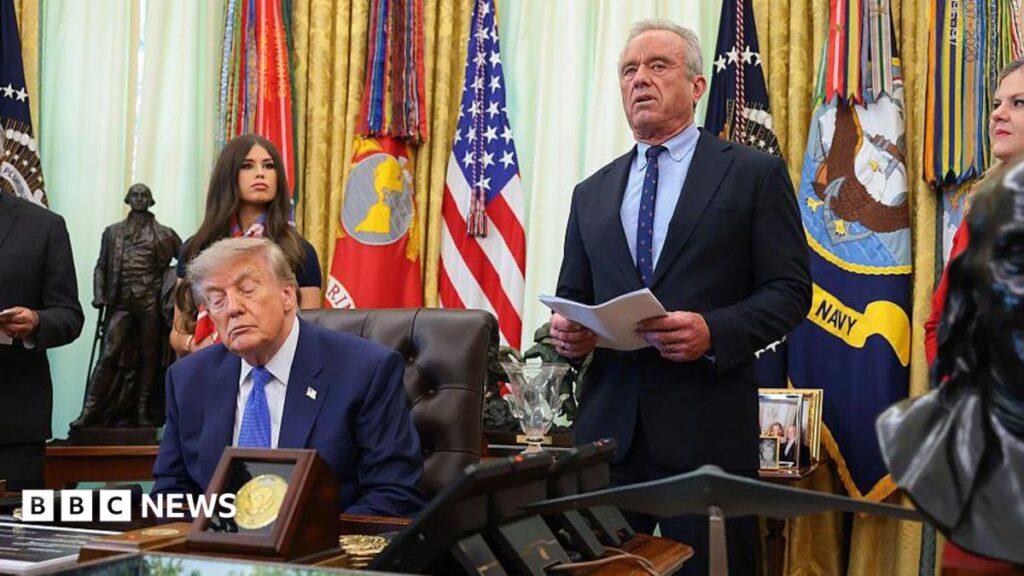
On August 9, 2026, President Donald Trump signed an executive order that directs the Department of Health and Human Services to "limit the administration of mandatory childhood vaccines" and to explore a "split‑schedule" approach that would stagger doses over a longer period. The order does not ban any specific vaccine but calls for a review of current requirements for school entry and federal employee health plans.
The directive also instructs the FDA to reassess the safety data of all pediatric vaccines approved after 2010, a move that could delay the rollout of newer formulations such as the updated COVID‑19 vaccine for children and the recently licensed RSV vaccine.
Why the order matters beyond U.S. borders
The United States accounts for roughly 30% of the global vaccine market, and its regulatory decisions often set a de‑facto standard for low‑ and middle‑income countries that rely on U.S. approvals to import doses. A slowdown in the U.S. approval pipeline could ripple through supply chains, raising prices and creating shortages in regions that already struggle with access.
Furthermore, the political endorsement of a split‑schedule model lends legitimacy to similar proposals being floated in Europe, South America, and parts of Africa. International health bodies such as the WHO have warned that fragmented vaccine schedules can undermine herd immunity, especially for highly contagious diseases like measles, which still cause periodic outbreaks on the continent.
African and diaspora implications
African countries that import U.S.-manufactured childhood vaccines—Nigeria, Kenya, South Africa, among others—could see delayed shipments if manufacturers pause new batch releases for additional safety reviews. In Nigeria, where the government relies on U.S.-made pentavalent vaccines for its routine immunisation programme, any disruption could affect the goal of eliminating neonatal tetanus by 2028.
The African diaspora in the United States also faces a direct impact. Community health organisations that run school‑based vaccination drives fear that the order will embolden vaccine‑skeptical parents, potentially lowering uptake rates in districts with large immigrant populations. Lower coverage could increase the risk of imported cases of diseases that have been largely controlled, such as polio, which the continent is still fighting to eradicate.
Reactions and the road ahead
Public health experts, including the American Academy of Pediatrics, have condemned the order as “politically motivated and scientifically unfounded,” warning that it could reverse decades of progress in child health. In a joint statement, several African ministries of health said they would monitor the situation closely and reaffirmed their commitment to WHO‑recommended vaccine schedules.
Legal challenges are already brewing. A coalition of parents’ groups and non‑profits filed a lawsuit in the D.C. Circuit, arguing that the order violates the Administrative Procedure Act by bypassing required scientific review. If a court blocks the order, the administration may need to revise its approach, possibly shifting to a more modest advisory panel rather than a sweeping executive mandate.
What comes next for global vaccine policy?
The immediate next step is the HHS‑led review, slated to begin in September 2026. Analysts predict a six‑month timeline, after which the administration could issue new guidance that either tightens or loosens the current schedule. Meanwhile, the WHO is expected to convene an emergency advisory committee to assess any cross‑border effects, especially in regions where U.S. vaccines dominate the market.
For African policymakers, the priority will be to safeguard existing supply contracts and to diversify sources, accelerating negotiations with manufacturers in India and Europe. Strengthening regional procurement mechanisms, such as the African Vaccine Acquisition Task Team, could buffer the continent against any future U.S. policy shocks.
Quick Answers
What does President Trump's 2026 executive order on childhood vaccines actually require?
It directs federal health agencies to review mandatory vaccine schedules for children and to consider a staggered, split‑dose approach, without banning any specific vaccine.
How could the order affect vaccine availability in African countries?
Delays in U.S. safety reviews may slow the release of new pediatric vaccine batches, potentially causing shortages for African nations that import most of their doses from the United States.
Are there legal challenges to the executive order?
Yes, a coalition of health groups has filed a lawsuit claiming the order bypasses required scientific review under the Administrative Procedure Act.
Source: www.bbc.co.uk




💬 Comments 0