Trump waives Russia sanctions on oil and grain as 2026 Ukraine Support Act takes effect, Africa watches
Background: The sanctions framework and the 2026 Ukraine Support Act
Since Moscow’s invasion of Ukraine in February 2022, the United States has layered sanctions on Russia’s energy, finance and defense sectors, aiming to choke the revenue streams that fund the war. Over the last four years, each new congressional measure has tightened restrictions, culminating in the Ukraine Support Act of 2026, which introduced a sweeping ban on Russian crude exports and a ban on the export of key agricultural commodities to countries that buy from Russia.
The 2026 law also mandated secondary sanctions on firms that facilitate the movement of Russian oil through third‑party nations, a move that was praised in Washington but raised alarm in markets that rely on Russian energy and grain. The legislation was passed with bipartisan support, reflecting a consensus that economic pressure was a crucial lever against Moscow’s aggression.
The waiver: What Trump signed and why he says it hurts U.S. interests
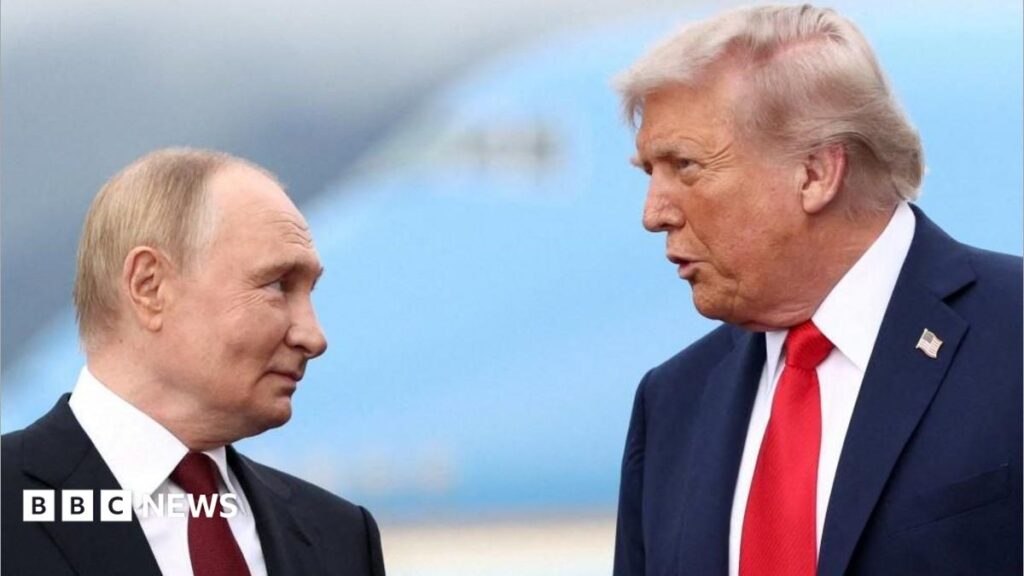
In a surprise executive order issued on October 15, 2026, President Donald Trump waived several of the most punitive provisions of the Ukraine Support Act. The waiver specifically lifted the ban on Russian crude oil shipments to the United States and suspended the secondary‑sanctions clause that would have penalised non‑U.S. firms transporting Russian oil through African ports such as Lagos and Mombasa.
Trump argued that the restrictions were “counter‑productive to American national interests,” citing rising domestic fuel prices and the risk of pushing African oil‑dependent economies into closer ties with Beijing and Moscow. He also claimed that the grain waiver would keep U.S. wheat competitively priced in markets that were increasingly turning to Russian exports to fill shortages caused by the war.
Why Africa feels the ripple: Energy, food security and diplomatic balancing
African nations sit at the crossroads of the sanctions debate. Countries like Nigeria, Angola and Algeria export oil to Europe and the United States, but they also import refined Russian fuel and rely on Russian‑origin fertilizer for their agricultural sectors. The waiver opens a legal channel for Russian crude to be refined in African refineries and shipped to the U.S., potentially boosting refinery margins but also creating a new dependency on Russian crude for African economies that are already vulnerable to price swings.
On the food front, the grain waiver could delay the expected surge in wheat prices that many African governments feared after the 2026 law. Nations such as Egypt, Kenya and Ethiopia, which import large volumes of wheat and maize, have been scrambling to secure alternative supplies. A temporary easing of sanctions may keep Russian grain on the market longer, buying time for African importers but also prolonging reliance on a supplier whose political motives are opaque.
Diplomatically, the move gives African leaders a fresh bargaining chip. Nations that have historically leaned on Russia for military hardware – for example, the Central African Republic and Mali – may see the waiver as a signal that Washington is willing to soften its stance when African economic interests are at stake. At the same time, the decision could strain relations with the European Union, which has been pushing for a unified, hard‑line sanctions regime.
Reactions across the Atlantic and in the diaspora
In Washington, the waiver sparked a fierce debate on Capitol Hill. Democrats accused Trump of rewarding a hostile regime for short‑term market gains, while many Republicans defended the move as a pragmatic correction to “over‑sanctioning” that hurts American consumers. A bipartisan group of senators filed a petition to the Office of Legal Counsel, asking whether the President’s authority to waive sanctions under the International Emergency Economic Powers Act (IEEPA) can be exercised without a formal national‑security review.
African governments responded with a mixture of cautious optimism and strategic concern. Nigeria’s Ministry of Petroleum announced that the waiver would be examined for its impact on the country’s refining sector, while South Africa’s Department of Trade warned that any increase in Russian oil traffic through its ports could attract secondary sanctions from the EU. The African Union issued a statement urging “coordinated African engagement” to ensure that sanctions policies do not undermine the continent’s food‑security agenda.
Among the Nigerian and Ghanaian diaspora in the United States, social media conversations reflected the split. Some community leaders praised the President for lowering fuel costs that affect remittance‑sending families back home, whereas others warned that normalising Russian trade could erode the moral high ground that the diaspora has used to lobby for stronger support to Ukraine.
What’s next: Legal battles, market adjustments and Africa’s strategic calculus
Legal experts predict that the waiver will be challenged in the U.S. District Court for the District of Columbia on the grounds that it bypasses the statutory intent of the Ukraine Support Act. If a court blocks the waiver, the administration may have to seek a congressional amendment, a process that could take months and keep markets in limbo.
In the commodities arena, oil traders are already re‑routing cargoes that were previously earmarked for European ports to African refineries, anticipating higher refining spreads. African stock exchanges have seen a modest uptick in listed oil‑service companies, suggesting that the market is pricing in a short‑term boost to the sector. Conversely, fertilizer producers warn that continued access to Russian nitrogen could depress local prices, threatening the profitability of domestic manufacturers in Tanzania and Zambia.
Strategically, the waiver forces African foreign ministries to revisit their alignment with the West. Countries that have been courting Chinese investment may now weigh whether a more flexible U.S. stance on Russia offers a viable third‑pole in global geopolitics. The upcoming African Union summit in Addis Ababa is expected to feature a panel on “Sanctions and Sustainable Development,” where policymakers will debate how to shield the continent from the collateral damage of great‑power rivalries.
Quick Answers
What specific sanctions did Trump waive in October 2026?
He lifted the ban on Russian crude oil exports to the U.S. and suspended secondary sanctions targeting firms that move Russian oil through African ports.
How could the waiver affect African food security?
By keeping Russian grain on global markets longer, the waiver may slow the rise in wheat prices that African importers feared, but it also prolongs dependence on a volatile supplier.
Will the waiver face legal challenges?
Yes, a group of U.S. senators has asked a federal court to review whether the President can bypass the Ukraine Support Act without a formal national‑security assessment.
Source: www.bbc.co.uk


💬 Comments 0