Two Killed at Moldova Border After Russian-Ukrainian Drone Strike, Sep 2026: What It Means for Europe and Africa
Background: The widening drone front in the Russia‑Ukraine war
Since the start of the conflict in 2022, both Moscow and Kyiv have increasingly relied on unmanned aerial systems to strike targets beyond the front lines. By 2026, drones have become a cheap, expendable way to hit logistics hubs, power infrastructure and even border crossings, stretching the war’s geographic scope into neighboring states.
Moldova, a small former Soviet republic sandwiched between Ukraine and Romania, has tried to stay neutral but its proximity to the fighting makes it a convenient corridor for supply lines, refugee flows and, increasingly, stray or deliberately launched drones. The country’s air defence is limited, and any breach quickly raises alarm among NATO’s eastern flank.
What happened on the border: Two dead and a flare‑up of tension
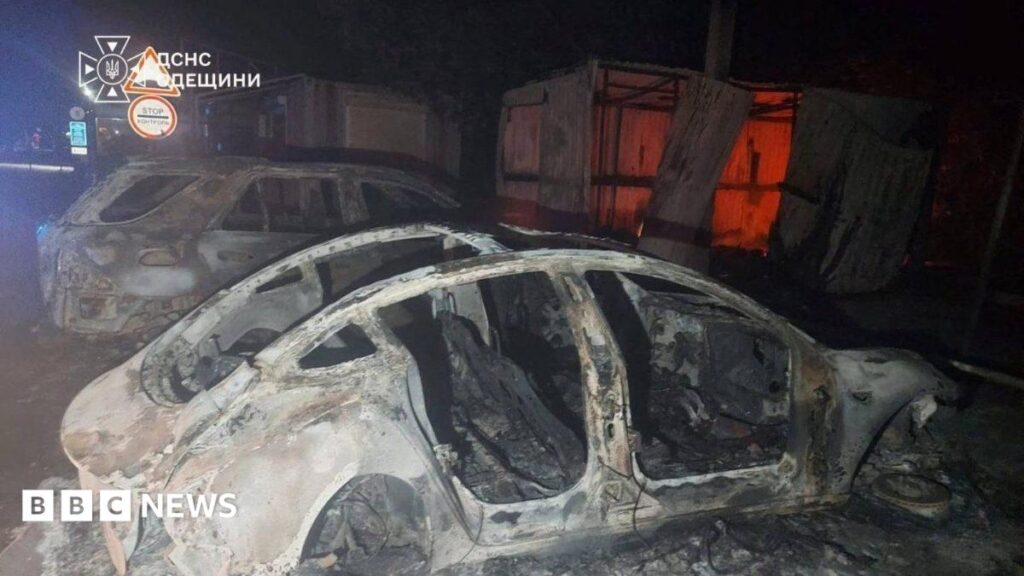
On 9 September 2026, a drone that appeared to be launched from Ukrainian territory crossed into Moldova’s northern border region, where it detonated near a customs checkpoint. Two Moldovan border guards were killed and several others injured, according to the Moldovan Interior Ministry.
The same day, Ukrainian officials reported five civilian deaths in the Donetsk region after a Russian drone struck a residential block, while Russian authorities confirmed four fatalities in the Kursk oblast following a Ukrainian drone attack. The coordinated timing of the strikes suggests a deliberate escalation, as both sides aim to demonstrate reach beyond their own borders.
Why it matters: Security, energy and migration ripple effects
The incident underscores a growing security dilemma for the EU’s eastern neighbourhood. Moldova’s limited air‑defence capability means any spill‑over could force the country to request NATO assistance, potentially widening the alliance’s involvement in a conflict that has so far been limited to Ukrainian territory.
Energy markets are also feeling the pressure. Drone attacks on power grids in both Ukraine and Russia have already caused intermittent outages that ripple into European electricity prices. A breach in Moldova, a transit route for natural gas pipelines feeding the EU, could prompt temporary shutdowns, nudging prices higher at a time when African nations are already negotiating costly imports.
Finally, the human cost is likely to increase migration flows toward the EU. Moldova has become a key transit point for Ukrainian refugees seeking safety in Western Europe. An escalation that endangers border personnel could slow crossings, leaving more people stranded in precarious conditions and prompting humanitarian agencies to divert resources.
African and diaspora angles: Grain, energy and diaspora concerns
Africa’s food security is indirectly linked to the war through Ukraine’s role as a major grain exporter. Drone strikes that disrupt Ukraine’s agricultural output or its Black Sea export routes can tighten global wheat supplies, driving up prices on African markets that already struggle with inflation. The latest surge in casualties signals that the conflict’s intensity is unlikely to ease soon, keeping grain shipments at risk.
Energy‑importing African countries, especially those dependent on Russian gas or oil, watch the conflict closely. Any escalation that threatens the transit of Russian gas through Moldova‑Romania pipelines could force Europe to seek alternative supplies, potentially opening a short‑term window for African oil exporters to negotiate better terms. However, higher European demand for alternative fuels could also drive up global oil prices, raising costs for African consumers.
The Ukrainian diaspora in Africa – estimated at several thousand families across Kenya, South Africa and Nigeria – has been vocal about the war’s toll. Community leaders in Lagos recently called for a UN‑backed ceasefire, warning that prolonged conflict could spill over into diaspora families’ remittance streams, which already face currency volatility.
What’s next: Diplomatic, military and economic scenarios
In the short term, Moldova is expected to request urgent NATO air‑defence assets, a move that could trigger a formal consultation under Article 5‑like provisions. Kyiv may welcome the support, while Moscow could view it as a provocation, risking further retaliatory drone strikes in the region.
On the diplomatic front, the United Nations Security Council is likely to schedule an emergency meeting to address the cross‑border incident. Western capitals will probably press for a de‑escalation corridor, while Russia may argue that the strikes are a response to Ukrainian aggression.
Economically, analysts at the African Development Bank warn that continued instability could keep global grain prices above $350 per tonne through the end of 2026, pressuring food‑importing nations such as Nigeria and Ethiopia. Energy traders are watching for any sign that the Moldova pipeline could be shut, which would tighten European gas markets and potentially lift spot prices for African LNG buyers.
Quick Answers
Who were the victims of the drone strike at the Moldova border?
Two Moldovan border guards were killed when a drone detonated near a customs checkpoint on 9 September 2026.
How could the Moldova incident affect African grain imports?
Escalating drone attacks in Ukraine risk disrupting wheat exports, which could keep global grain prices high and raise the cost of food imports for African countries.
Will NATO intervene after the border attack?
Moldova is expected to request NATO air‑defence support, but any formal intervention will depend on member states’ assessment of the threat and diplomatic negotiations.
Source: www.bbc.co.uk



💬 Comments 0