U.S. famine alert system FEWS NET to restart Somalia data posting in September 2026
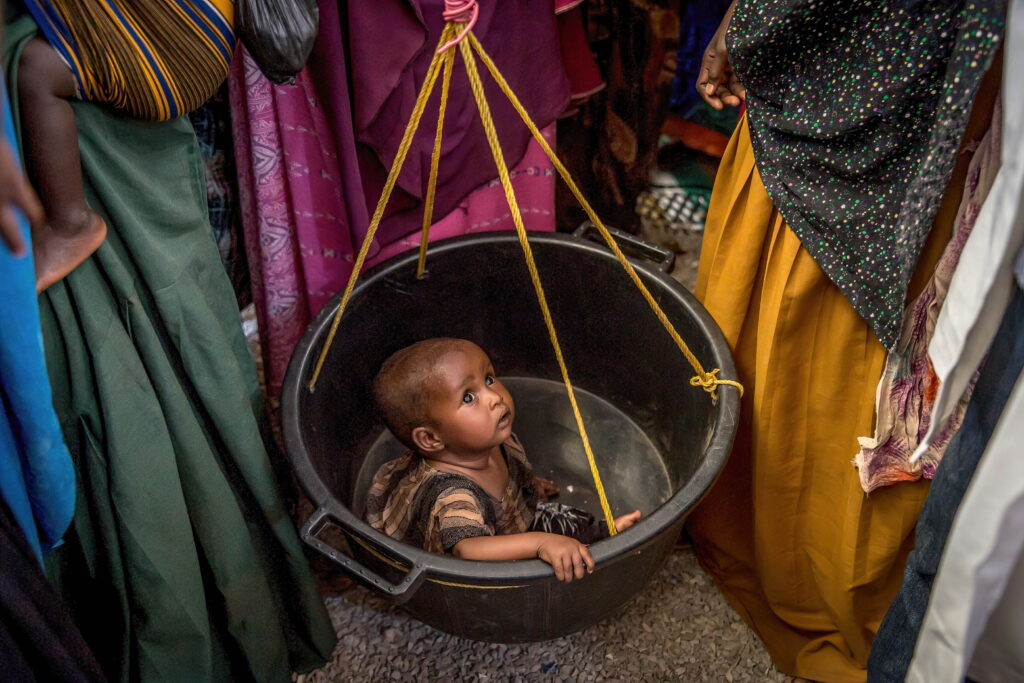
What FEWS NET does and why it matters
The Famine Early Warning Systems Network, known as FEWS NET, is a U.S. Agency for International Development (USAID) program that compiles satellite imagery, market surveys and climate data to forecast food insecurity. Its weekly bulletins are used by governments, NGOs and donors to decide where to allocate life‑saving assistance.
Because the network covers more than 30 high‑risk countries, its alerts are often the first public signal that a region is sliding toward acute hunger. In the past decade, FEWS NET’s early warnings have helped trigger emergency food parcels for millions of people in places like South Sudan, the Sahel and the Horn of Africa.
The Trump‑era shutdown and its fallout
In early 2020, the Trump administration ordered the cessation of FEWS NET’s public updates for Afghanistan, Somalia and Yemen, citing a desire to streamline “redundant” reporting mechanisms. The decision was made without a public impact assessment, and the data gap was felt instantly on the ground.
Humanitarian actors reported that the lack of official forecasts forced them to rely on fragmented local sources, slowing the mobilisation of cash‑based assistance. According to a statement from the International Rescue Committee, the pause “created a blind spot at a time when climate shocks were intensifying in the Horn of Africa.”
Why the system is being reopened now
USAID announced in late August 2026 that FEWS NET will resume publishing its Somalia and Yemen bulletins in September, and will bring back Afghanistan coverage by early 2027. The agency attributes the move to “heightened food‑security risk” and “increased demand from partner organisations for transparent, real‑time data.”
Sources within the State Department say the decision also reflects a broader shift in U.S. foreign‑policy priorities under the current administration, which is seeking to rebuild credibility with multilateral partners after several years of funding cuts. The reopening aligns with the new “Global Food Resilience Initiative,” a $1.2 billion programme that aims to strengthen early‑warning capacity across vulnerable regions.
Implications for Somalia and the wider Horn of Africa
Somalia, home to more than 7 million people facing acute food insecurity, will be the first African country to benefit from the revived alerts. Local NGOs such as the Somali Red Crescent Society have already begun preparing contingency plans based on the upcoming FEWS NET forecasts.
Diaspora groups in the United States, United Kingdom and the Gulf are also watching the development closely. Remittance flows, which account for roughly 60 % of Somalia’s GDP, are often directed toward families in regions flagged as “crisis‑prone.” Accurate, timely warnings enable donors to target those transfers to the most vulnerable households, a point highlighted by the Somali diaspora advocacy network SomAid.
A broader trend: U.S. aid data transparency under scrutiny
The FEWS NET episode is part of a larger conversation about how the United States shares humanitarian intelligence. Critics have long argued that the U.S. government’s tendency to withhold data undermines coordinated responses, especially when private foundations and African Union bodies depend on that information.
In the past year, several African ministries of agriculture have called for a “regional early‑warning hub” that would pool data from FEWS NET, the African Risk Capacity and local meteorological services. If the U.S. maintains a consistent publishing schedule, it could become the cornerstone of such a hub, strengthening continental preparedness for droughts and locust invasions.
What comes next: funding, partnerships and potential pitfalls
Reinstating the bulletins is only the first step. Analysts warn that without sustained financing, the quality of FEWS NET’s analyses could slip. The upcoming budget cycle in Congress will therefore be watched closely by humanitarian actors who fear a repeat of the 2020 funding freeze.
On the partnership front, USAID has pledged to work with the World Food Programme, OCHA and African Union agencies to harmonise alert thresholds. If these collaborations succeed, they could set a new standard for data‑driven aid delivery across the continent. However, observers caution that political shifts in Washington or Nairobi could still disrupt the flow of information, reminding stakeholders to build redundancy into their own early‑warning systems.
Quick Answers
When will FEWS NET start publishing Somalia data again?
FEWS NET is scheduled to resume public bulletins for Somalia in September 2026.
Why was the U.S. famine alert system shut down in 2020?
The Trump administration halted the reports, saying they were redundant and needed to streamline aid reporting.
How does the reopening affect humanitarian aid in Somalia?
It gives NGOs, donors and the Somali diaspora reliable early‑warning data to target food assistance where it’s most needed.
Source: www.npr.org




💬 Comments 0