Uganda imposes 21‑day quarantine on citizens returning from DR Congo amid Ebola scare 2026
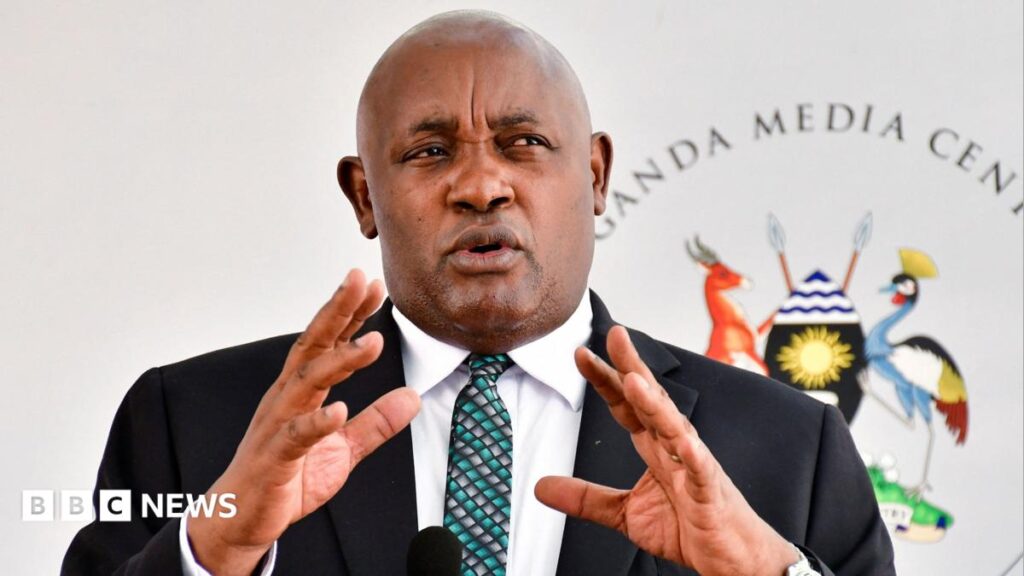
Background: A volatile health landscape on Uganda’s eastern border
Since early 2026, the Democratic Republic of Congo (DR Congo) has been wrestling with a renewed Ebola outbreak in its North‑Kivu and Ituri provinces. The World Health Organization has reported over 300 confirmed cases and a case‑fatality rate hovering around 45 percent, prompting neighbouring states to tighten their own disease‑control measures. Uganda, which shares a 1,000‑kilometre porous border with DR Congo, has historically been the first line of defence against cross‑border contagion, deploying rapid‑response teams and health checkpoints whenever the virus resurfaces.
Uganda’s Ministry of Health previously instituted a 14‑day home‑based monitoring period for travellers from high‑risk zones, but the latest surge in cases has overwhelmed regional laboratories and stretched contact‑tracing capacity. In addition, the country’s experience with the 2022 Ebola wave, which claimed more than 150 lives in the West Nile region, has left both officials and the public highly sensitised to any hint of a new spill‑over. This context explains why the government moved quickly to adopt a stricter, 21‑day quarantine protocol.
The new policy: 21‑day quarantine and a transit ban for most DR Congo visitors
Effective from 1 October 2026, Ugandan citizens arriving from any part of DR Congo must undergo a mandatory 21‑day quarantine in government‑approved facilities before they can re‑enter the community. The period is three days longer than the previous 14‑day rule and aligns with the maximum incubation window identified by the African Centres for Disease Control (Africa CDC) for the current Ebola strain. The Ministry of Health has earmarked three isolation centres in Gulu, Lira and Mbale, each equipped with on‑site testing labs to confirm negative results before release.
In parallel, Uganda has announced that most travellers who have set foot in DR Congo will no longer be permitted to transit through Ugandan airports or land borders. Exceptions are limited to diplomatic missions, humanitarian workers with verified clearance, and cargo shipments deemed essential for national security. The transit ban aims to curtail indirect spread, as several recent cases in Uganda were traced back to passengers who had briefly transited through Entebbe after a stopover in Kinshasa.
Economic and social ripple effects for Uganda and the wider region
The eastern corridor that links Kampala to Goma and further to Kigali is a lifeline for trade, tourism and family ties. According to the Uganda Revenue Authority, the corridor moves roughly $1.2 billion worth of goods annually, ranging from agricultural produce to construction materials. The quarantine mandate is expected to delay shipments, increase storage costs, and potentially push traders to reroute via Kenya’s Eldoret‑Nairobi axis, which is longer and more expensive. Small‑scale traders, who form the bulk of cross‑border commerce, are likely to feel the brunt of these added expenses.
Beyond commerce, the policy directly impacts the Ugandan diaspora that frequently returns for weddings, funerals and medical visits. Community organisations in Kampala have warned that the 21‑day isolation could deter many from travelling, especially those who cannot afford the accommodation fees attached to the state‑run facilities. The diaspora’s remittance flow—estimated at $350 million a year—could see a dip if travel becomes prohibitively costly, with knock‑on effects on household incomes in rural districts that rely heavily on external cash transfers.
Regional and diplomatic reactions: Balancing health security with integration
The East African Community (EAC) has expressed mixed feelings about Uganda’s move. While the bloc’s health secretariat praised the precautionary stance, it also urged member states to harmonise protocols to avoid a patchwork of restrictions that could fracture the single‑market agenda. In a statement on 3 October, the EAC Chair highlighted the need for “coordinated border health checks” and called for a joint task force to monitor the outbreak’s trajectory.
Humanitarian NGOs operating in the Ituri and North‑Kivu regions have raised concerns that the transit ban could impede the delivery of aid, especially for organisations that rely on Uganda’s airstrips as staging grounds. The United Nations Office for the Coordination of Humanitarian Affairs (OCHA) has reportedly engaged with Ugandan officials to secure special corridors for relief convoys, a request that the Ministry of Health is currently evaluating.
What’s next? Prospects for policy adjustment and regional preparedness
Uganda’s health ministry has indicated that the 21‑day quarantine will be reviewed every two weeks, contingent on the trend of new Ebola cases in DR Congo and the effectiveness of the isolation facilities. If the outbreak stabilises, officials may revert to a shorter monitoring period, a move that would ease pressure on the tourism sector, which recorded a 12 percent decline in visitor arrivals in September alone, according to the Uganda Tourism Board.
In the longer term, the episode underscores the urgency of bolstering regional disease‑surveillance infrastructure. Africa CDC is spearheading a pilot program to deploy rapid‑test kits at all major border posts across the Great Lakes region, a project slated for rollout in early 2027. Successful implementation could allow Uganda and its neighbours to replace blanket quarantines with targeted testing, preserving both health safety and economic fluidity.
Quick Answers
How long is the quarantine for Ugandan citizens returning from DR Congo?
The mandatory quarantine lasts 21 days in government‑approved facilities.
Who is affected by Uganda’s new transit ban on DR Congo travellers?
Most travellers who have been in DR Congo cannot transit through Uganda, except diplomats, cleared humanitarian staff and essential cargo.
What alternatives do travellers have if they cannot use Ugandan transit routes?
Travelers can reroute via Kenya’s Nairobi or Rwanda’s Kigali, though they may face additional visa or health requirements.
Source: www.bbc.co.uk



💬 Comments 0