Uganda withdraws from Harry’s 2026 Invictus Games, says military chief Wilson Muwanga
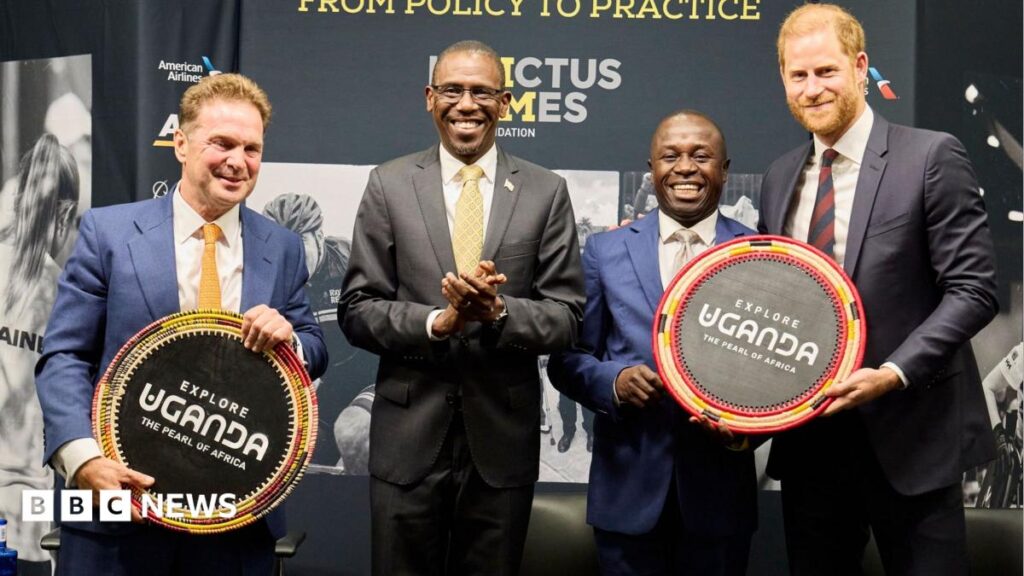
Background: the Invictus Games and Uganda’s debut
The Invictus Games, founded by Prince Harry in 2014, bring together wounded, injured or sick service personnel from around the world to compete in adaptive sports. Over the years the event has grown into a high‑profile showcase of military rehabilitation, soft‑power diplomacy and celebrity endorsement, attracting media attention from the UK, the US and increasingly from African nations.
Uganda announced in July 2026 that it would field a team of ten athletes for the 2026 edition in Düsseldorf, marking the country’s first appearance. The decision was hailed by the Uganda National Paralympic Committee as a step forward for disability inclusion and a chance to put Ugandan soldiers on the global stage. Preparations included a modest government grant, private sponsorship from Kampala‑based firms, and a training camp at the Uganda Military Academy.
The move also fit a broader pattern of African militaries seeking visibility through international sport. Kenya, South Africa and Nigeria have all sent delegations to previous Invictus Games, using the platform to showcase their rehabilitation programs and to build ties with Western defence ministries.
The sudden reversal: what the announcement said
Two months after the initial commitment, Uganda’s chief of defence staff, General Wilson Muwanga, issued a brief statement that the country would not take part in the Düsseldorf Games. The statement, released on September 8, cited “logistical constraints and operational priorities” without giving further detail.
Sources close to the Ugandan Ministry of Defence told reporters that the decision was linked to a recent spike in regional security operations along the border with the Democratic Republic of Congo, which demanded the redeployment of medical and transport assets originally earmarked for the athletes. Others suggested that the withdrawal could be a diplomatic signal amid lingering tensions over the UK’s criticism of Uganda’s anti‑LGBTQ legislation.
Prince Harry’s office responded with a brief note expressing disappointment but reaffirming the Games’ commitment to inclusivity. No official comment was received from the Ugandan Ministry of Sports, which had previously coordinated the team’s logistics.
Why it matters for Uganda’s military image and disability sport
The Invictus Games have become a soft‑power tool for militaries to demonstrate modernity, humanitarian concern and international cooperation. By pulling out, Uganda risks losing a rare opportunity to showcase its rehabilitation facilities and to counter the narrative of a militarised state focused solely on internal security.
For the ten athletes, many of whom have endured severe injuries in peace‑keeping missions in Somalia and South Sudan, the cancellation means the loss of a once‑in‑a‑lifetime chance to compete, gain exposure, and access cutting‑edge adaptive equipment. Disability advocates in Kampala warned that the move could set back momentum on inclusive sports programmes that were gaining traction after the 2022 Commonwealth Games.
The decision also sends a signal to potential foreign donors. International NGOs that fund military‑run medical units often use high‑visibility events like Invictus as proof of impact. A withdrawal may make future funding proposals more difficult, especially as Uganda seeks to modernise its veteran care system under the National Defence Health Initiative.
Broader trends: African nations and global sport diplomacy
Uganda’s flip‑flop is not an isolated case. In the past five years, several African countries have oscillated between enthusiastic participation in Western‑led sporting events and abrupt exits due to funding shortfalls or political disagreements. Nigeria’s 2024 pull‑out from a NATO‑sponsored veterans’ marathon, for example, sparked debate about the balance between national sovereignty and the benefits of global exposure.
The pattern reflects a tension between domestic priorities—particularly security spending—and the desire for soft‑power gains. As African militaries become more involved in peace‑keeping, they also face scrutiny over human‑rights records. International events can amplify both praise and criticism, making governments wary of unintended diplomatic fallout.
For the African diaspora, especially Ugandan communities in the UK and Canada, the Invictus Games had become a rallying point for pride and fundraising. Diaspora NGOs had already begun crowdfunding travel costs for families of the athletes. The sudden withdrawal has left those groups scrambling to redirect resources, highlighting how decisions made in Kampala reverberate across continents.
What’s next: alternative pathways and potential fallout
In the short term, the Ugandan Defence Forces have pledged to organise a regional “East African Adaptive Sports Meet” later this year, inviting Kenya, Rwanda and Tanzania. While the event will lack the global media reach of the Invictus Games, it could serve as a platform for the affected athletes to compete and maintain training momentum.
Long‑term, analysts suggest that Uganda may revisit participation in future Invictus editions if it can secure a clearer budget line and if diplomatic relations with the UK improve. The Ministry of Foreign Affairs is reportedly in talks with the British High Commission to explore joint veteran‑rehabilitation projects that do not involve high‑profile competitions.
For Prince Harry’s charitable brand, the withdrawal is a reminder that reliance on state partners can be precarious. His team is now looking at expanding partnerships with non‑governmental organisations in Africa to ensure continuity of the Games’ mission, a shift that could reshape the event’s funding model for the next decade.
Quick Answers
Why did Uganda pull out of the 2026 Invictus Games?
Uganda’s chief of defence said logistical constraints and operational priorities, linked to heightened security duties, forced the withdrawal.
How will the cancellation affect Ugandan athletes?
The ten injured service members lose a chance to compete internationally and miss access to adaptive equipment and exposure that could boost disability sport in Uganda.
What alternative event is Uganda planning for its athletes?
Uganda aims to host an East African Adaptive Sports Meet later in 2026, inviting neighboring countries to provide a regional competition platform.
Source: www.bbc.co.uk
💬 Comments 0