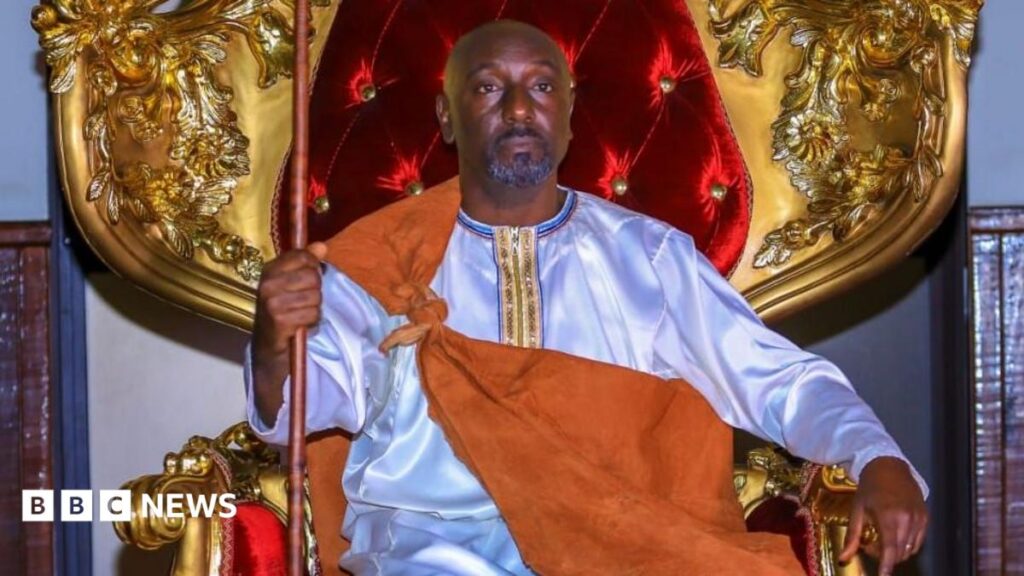
Ugandan journalist Kijanangoma crowned king amid succession feud, 2026 royal dispute explained
Historical backdrop of Uganda’s traditional monarchies
Uganda’s cultural landscape is dotted with several centuries‑old kingdoms that retain ceremonial authority despite the country’s republican constitution. The most prominent, Buganda, has a well‑documented line of succession governed by the Lukiko (council of elders) and the royal clan, which together vet any candidate before a coronation. Smaller kingdoms, such as Bunyoro, Ankole and Toro, follow similar protocols, intertwining lineage, clan approval and community consensus.
These customs survived colonial disruption and the 1966 abolition of monarchies, only to be reinstated in the 1990s under President Yoweri Museveni’s political compromise. The revival was meant to placate regional identities while keeping real power in the central government. Over the decades, the royal houses have become symbols of cultural pride, tourist attraction and, increasingly, political leverage for local elites.
The coronation of Kijanangoma and the contested heir
On 23 September 2026, Kijanangoma – a well‑known investigative journalist from Kampala – was crowned as the new king of the lesser‑known Kinyara Kingdom in western Uganda. The ceremony, held at the royal palace in Nyakibale, featured traditional drumming, a libation ritual and the presentation of the royal regalia that had lain untouched for years due to the previous king’s death in 2024.
The jubilation was immediately shadowed by a bitter dispute: a faction of the royal clan rejected the coronation, insisting that a young heir, born to the late king’s eldest daughter, should inherit the throne. Clan elders argue that the succession rules prioritize direct bloodline over external candidates, even if the latter have public stature. The rival faction has lodged a petition with the Ministry of Gender, Labour and Social Development, seeking a judicial review of the coronation’s legality.
Why a journalist’s rise to royalty matters for Uganda’s media and politics
Kijanangoma’s transition from newsroom to throne blurs the line between independent journalism and traditional authority. Observers note that his investigative work on corruption and land grabs earned him both national fame and powerful enemies. By accepting a royal mantle, he gains a platform that could amplify his anti‑corruption agenda, yet it also raises concerns about editorial independence and potential conflicts of interest.
The episode arrives at a time when Uganda’s press freedom is under pressure; the government has tightened media licensing and introduced new defamation penalties. A journalist‑king could either become a shield for critical reporting, leveraging his ceremonial immunity, or a cautionary example that the state may co‑opt influential media figures into patronage networks. Media watchdogs, such as the Uganda Media Council, have called for clear guidelines on how traditional titles intersect with professional duties.
Regional patterns: media figures entering traditional leadership
Kijanangoma is not the first African media personality to assume a hereditary role. In Ghana, former broadcaster Kwame Badu‑Ansah was enstooled as a chief in the Ashanti region in 2022, sparking debates about the commercialization of chieftaincy. Similarly, South Africa’s popular radio host Sipho Mthembu was named a tribal leader in KwaZulu‑Natal in 2024, prompting discussions about the blending of celebrity culture with indigenous governance.
These cases illustrate a broader trend where public figures leverage their fame to gain traditional legitimacy, often in exchange for advocacy on community issues. For diaspora Ugandans and other Africans, the phenomenon underscores the fluidity of modern African identities: fame, politics, and heritage can intersect in ways that reshape power structures both at home and abroad. The diaspora press has begun covering such stories more closely, seeing them as markers of cultural continuity and new avenues for community mobilisation.
What lies ahead: legal battles, governance and the future of the kingdom
The immediate future hinges on the pending court case. Legal scholars predict that Ugandan courts, while respecting customary law, will likely defer to the Ministry’s advisory role, potentially mandating a mediated settlement between the two factions. If the ruling favours Kijanangoma, it could set a precedent for non‑lineal candidates to ascend, reshaping succession norms across the country’s kingdoms.
Beyond the courtroom, Kijanangoma faces the practical challenge of balancing his journalistic integrity with royal duties. He has pledged to use his influence to promote transparency in land allocation and to champion youth entrepreneurship within the kingdom’s jurisdiction. Whether these promises translate into concrete policies will test the relevance of ceremonial monarchies in a rapidly urbanising Uganda. For ordinary Ugandans, the story offers a rare glimpse into how age‑old institutions adapt – or resist – the pressures of modern media, politics and civil society.
Quick Answers
Who is Kijanangoma and why was he crowned king in 2026?
Kijanangoma is a Ugandan investigative journalist who was crowned king of the Kinyara Kingdom in September 2026 after a succession dispute within the royal clan.
What is the main point of contention in the succession dispute?
The dispute centres on a young heir, the late king’s grandson, whom a faction of the royal clan says should inherit the throne, rejecting Kijanangoma’s claim.
How could Kijanangoma’s new role affect press freedom in Uganda?
His dual status could either protect critical reporting through royal immunity or blur editorial independence, prompting calls for clear rules on journalists holding traditional titles.
Source: www.bbc.co.uk



💬 Comments 0