UK bans imports from Israeli settlements after recognizing Palestinian state in 2026 – what it means for trade and Africa
Background: A sudden pivot in UK Middle East policy
In December 2025 the British government formally recognised a Palestinian state, joining a small but growing list of Western nations willing to take that step. The move broke with decades of cautious diplomacy that had largely treated Israel’s occupied territories as a political grey zone, and it set the stage for a series of concrete actions aimed at aligning UK trade law with international humanitarian standards.
The decision was driven by pressure from human‑rights NGOs, a wave of public protests across British cities, and a broader reassessment of the UK’s post‑Brexit foreign policy priorities. By early 2026 the Foreign Office announced that it would begin reviewing all imports that could be linked to Israeli settlements deemed illegal under international law, a process that culminated in the ban announced on 7 September 2026.
The policy shift also mirrors similar measures taken by the European Union in 2023, which introduced a labeling regime for products originating from occupied territories. The UK, however, went a step further by imposing a full import prohibition, signalling a willingness to use trade tools as a lever for political change.
What the ban actually does
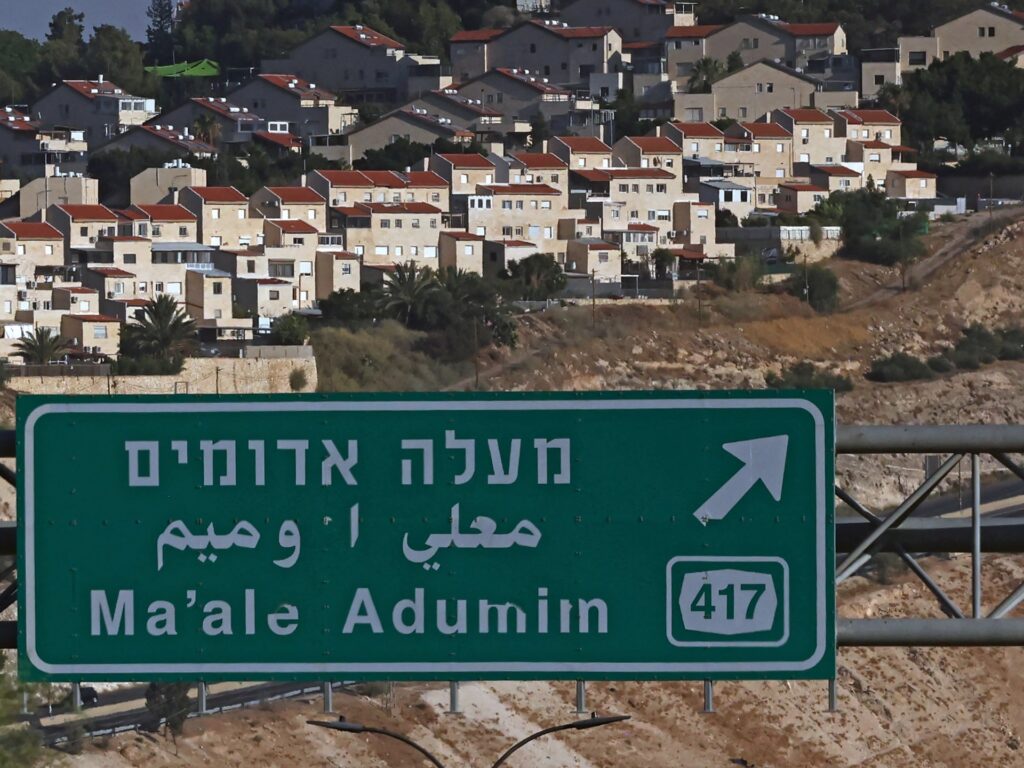
The new regulation bars any goods that can be traced to Israeli settlements in the West Bank, East Jerusalem, and the Golan Heights from entering the UK market. This includes agricultural produce such as olives and dates, construction materials, and a limited range of manufactured items that are produced in settlement‑controlled factories.
Customs officials will rely on a combination of satellite‑derived mapping data, supplier certifications, and intelligence supplied by the United Nations’ Office for the Coordination of Humanitarian Affairs. Companies that fail to provide verifiable proof that their supply chains are settlement‑free risk having their shipments seized and their licences revoked.
The ban does not affect products that are clearly sourced from within Israel’s internationally recognised borders. The distinction, while technically precise, has sparked debate among trade lawyers who argue that the line between “settlement” and “Israel proper” can be blurred in practice, especially for multinational corporations with complex supply networks.
Why it matters for the UK and global trade norms
Beyond the immediate economic impact on Israeli settlement producers – estimated at £30 million in annual UK sales – the ban marks the first time a major economy has used import controls to enforce a position on the legality of occupied territory. It therefore sets a precedent that other countries may follow, potentially reshaping how trade law interacts with international humanitarian norms.
Analysts say the move could accelerate a broader trend of “ethical trade” policies, where governments embed human‑rights criteria into customs codes. If the United States or China were to adopt similar measures, the cumulative effect could isolate settlement‑linked businesses from a large share of the global market, pressuring Israel’s settlement strategy from an economic angle rather than a purely diplomatic one.
Critics, including some UK industry groups, warn that the ban could create compliance headaches for companies that source raw materials from the region. They argue that the additional paperwork might increase costs for UK importers and could trigger retaliatory measures from Israel, although Israeli officials have so far limited their response to diplomatic protests.
African perspective: diplomatic ties, trade, and diaspora response
African nations have long been vocal supporters of Palestinian self‑determination, a stance reflected in the African Union’s 2022 resolution calling for an end to settlement expansion. The UK ban is therefore likely to be welcomed by many African governments, especially those that maintain strong ties with the diaspora in the United Kingdom.
For countries like Nigeria and Kenya, which import a modest amount of Israeli agricultural products, the immediate impact is limited. However, the policy could open space for African exporters to fill gaps in the UK market for commodities such as citrus fruits and nuts, potentially boosting intra‑continental trade under the African Continental Free Trade Area (AfCFTA).
The Palestinian diaspora in the UK – estimated at over 30,000 individuals – has organised a series of rallies praising the ban as a tangible victory for years of activism. Meanwhile, pro‑Israel groups within the African diaspora, particularly among South African and Ethiopian communities, have voiced concerns that the policy could set a dangerous precedent for singling out particular regions for trade sanctions.
What comes next: legal challenges and diplomatic fallout
Legal experts expect a wave of challenges in the UK’s High Court, where settlement‑linked firms are likely to argue that the ban breaches World Trade Organization (WTO) rules that prohibit discrimination based on political considerations. The UK government, however, maintains that the measure is consistent with the WTO’s “exceptions for public morals” clause, a stance that will be tested in the coming months.
On the diplomatic front, Israel’s foreign ministry has lodged a formal protest with London, describing the ban as “unilateral and contrary to international law”. While no immediate retaliation has been announced, the Israeli government has hinted at reviewing existing UK‑Israel bilateral agreements, including cooperation on technology and defence.
For the UK, the real test will be whether the policy can be enforced without eroding trade relationships elsewhere. If the ban proves workable, it could embolden further actions, such as restricting financing for settlement‑linked companies or extending similar restrictions to other contested regions worldwide.
Quick Answers
What products are affected by the UK ban on Israeli settlement imports?
The ban covers goods that can be traced to Israeli settlements, including olives, dates, certain construction materials and limited manufactured items, but does not affect products clearly sourced from Israel’s internationally recognised borders.
How might the UK ban impact African exporters?
With settlement‑linked produce removed from the UK market, African farmers and manufacturers could gain market share for commodities like citrus, nuts and textiles, especially under the AfCFTA framework.
Can the ban be challenged under WTO rules?
Yes, affected firms are expected to bring cases to the UK High Court, arguing the ban violates WTO non‑discrimination principles, while the government cites the public‑morals exception as a defence.
Source: www.aljazeera.com



💬 Comments 0