Ukraine double‑tap bombing kills 40, bodycam video raises Africa food‑security worries 2026
Background: Russia’s double‑tap tactic in Ukraine
Since the invasion began in 2022, Russian forces have refined a grim method known as the "double‑tap" – a first explosion followed by a second blast aimed at rescuers and civilians who gather after the initial strike. Analysts say the tactic is intended to sow terror, overwhelm medical services and discourage humanitarian assistance, a pattern that has become a grim hallmark of the war.
Human‑rights groups have documented dozens of such incidents, noting that they violate international humanitarian law because they deliberately target non‑combatants and first‑responders. The United Nations Office for the Coordination of Humanitarian Affairs (OCHA) has repeatedly warned that these attacks erode the very fabric of civilian protection in conflict zones.
The Monday attack: bodycam footage and human toll
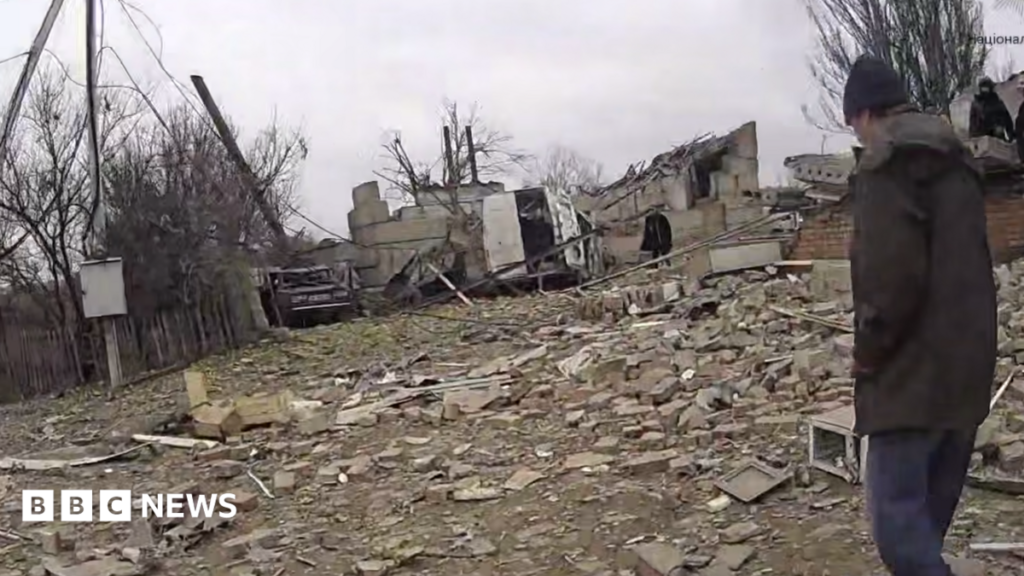
On Monday, a Russian airstrike hit a small village in the Kharkiv region, detonating a bomb that collapsed several houses. Within minutes, a second, larger explosion ripped through the debris, killing rescuers who had just arrived on the scene. Kyiv’s emergency services reported at least 40 dead and an additional 30 people possibly trapped under the rubble.
A Ukrainian police officer’s body‑camera video, released by the Ministry of Internal Affairs, captured the moment the second blast erupted. The grainy footage shows stunned civilians scrambling for safety, only to be caught in the follow‑up explosion. The visual evidence has intensified calls for an independent investigation, with the International Criminal Court (ICC) already monitoring the case.
According to local officials, the village’s only clinic was destroyed, forcing the injured to be ferried to a neighboring town over a distance of 20 kilometres. The lack of immediate medical care has heightened fears of a rising death toll in the days to come.
Why the strike matters beyond the battlefield
Beyond the immediate tragedy, the attack underscores a strategic shift in Russia’s war‑fighting playbook. By targeting rescue operations, Moscow hopes to cripple Ukraine’s civil‑society response and weaken morale on both sides. The tactic also complicates the work of international NGOs that rely on safe corridors to deliver aid.
The incident arrives at a delicate moment in peace‑negotiation talks hosted by Turkey and the United Nations. Western diplomats warn that repeated double‑tap attacks could derail any momentum toward a cease‑fire, as they signal an unwillingness to abide by the basic rules of war. The United States and the European Union have reiterated calls for Russia to cease such practices, threatening additional sanctions if violations continue.
From a legal standpoint, the video provides a potential evidentiary record for war‑crimes prosecutions. Legal scholars argue that the deliberate targeting of medical personnel and civilians may meet the threshold for crimes against humanity, a charge that could bring Russia’s top military commanders under international scrutiny.
African stakes: food security, diaspora, and geopolitical ripples
Ukraine and Russia together supply roughly 30 % of the world’s wheat, a staple that fuels millions of meals across sub‑Saharan Africa. Disruptions in Ukrainian grain exports—already strained by Black Sea blockades—can translate into higher food prices on African markets, tightening the squeeze on already vulnerable households. The United Nations World Food Programme (WFP) warned earlier this year that a 10 % drop in Ukrainian grain shipments could push an extra 5 million Africans into acute food insecurity.
The double‑tap attack threatens to further choke the flow of grain. With ports in Odesa and Mykolaiv under intermittent threat, shipping companies are reconsidering routes, leading to delays and higher freight costs. For nations such as Nigeria, Kenya and Ethiopia, which rely heavily on Ukrainian wheat for bread and pasta, the ripple effect could be felt in supermarket shelves within weeks.
The African diaspora in Europe and North America has been vocal about the war, organising protests, fundraising for Ukrainian refugees, and lobbying their governments for stronger action. In London’s Brixton district, a coalition of Nigerian and Ghanaian community groups held a candlelight vigil after the video surfaced, linking the tragedy to broader calls for accountability in conflicts that affect African lives, from Libya to the Sahel.
Geopolitically, several African states maintain close ties with Moscow, receiving military hardware and political support. The visible brutality of double‑tap tactics may force these governments to reassess their diplomatic posture, especially as public opinion at home grows more critical of any partnership that appears to condone war crimes.
What comes next: diplomatic, legal and humanitarian pathways
Humanitarian agencies are urging the establishment of a protected “rescue corridor” around the affected village, a move that would require coordination between Ukrainian forces, Russian commanders and third‑party monitors. If agreed, it could serve as a pilot for similar corridors in other high‑risk zones, potentially saving lives in future double‑tap scenarios.
On the diplomatic front, the upcoming NATO summit in Washington is expected to address the escalation of civilian‑targeted attacks. Sources say that NATO allies may consider expanding the sanctions list to include individuals directly linked to the planning of double‑tap operations, a step that could increase pressure on the Russian defense establishment.
Legally, the International Criminal Court has opened a preliminary examination into alleged war crimes in the Kharkiv region. The body‑cam footage will likely become a central piece of evidence, and defence lawyers for Russia have already signalled they will contest the admissibility of the video, arguing it was obtained without proper chain‑of‑custody documentation.
Quick Answers
How many people were killed in the recent double‑tap bombing in Ukraine?
At least 40 people were confirmed dead, with about 30 more possibly still trapped under the rubble.
What is a double‑tap attack?
A double‑tap attack involves an initial explosion followed by a second blast aimed at rescuers and civilians who gather after the first strike.
How could the attack affect food supplies in Africa?
Disruption of Ukrainian grain exports can raise global wheat prices, threatening food security for millions of Africans who depend on Ukrainian wheat for staple foods.
Source: www.bbc.co.uk



💬 Comments 0