UN experts say US committed war crimes in February 2024 Iran school and sports complex strikes
Background: US‑Iran tensions flare after Tehran’s drone attacks
The relationship between Washington and Tehran has been on a collision course since the U.S. killed Iranian General Qasem Soleimani in January 2020. Both capitals have since exchanged threats, proxy confrontations in Iraq and Syria, and a series of sanctions that have crippled Iran’s economy. In late January 2024, Iran launched a swarm of drones at U.S. bases in the Persian Gulf, prompting the White House to promise a “proportionate response.”
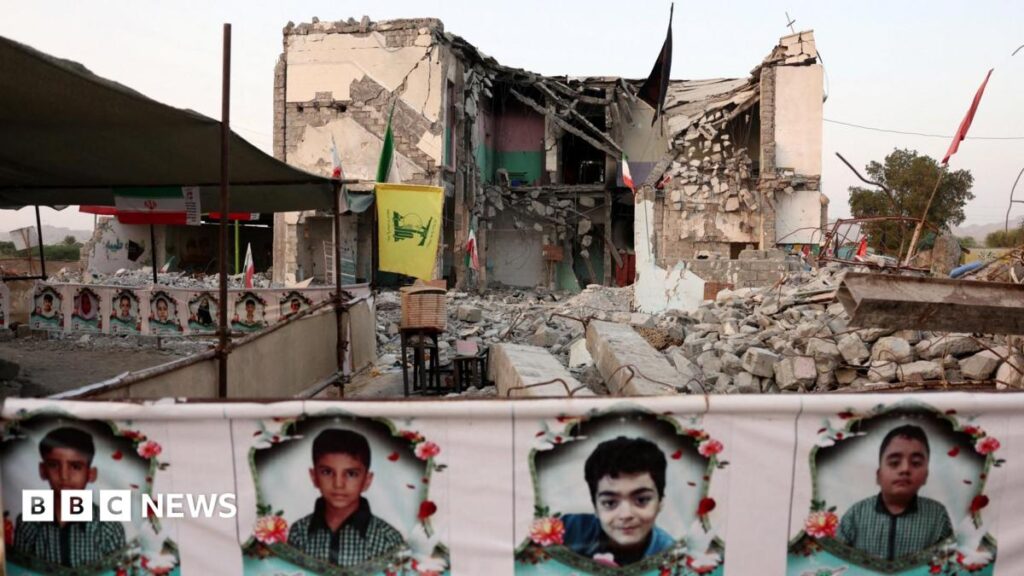
That promise materialised on 9 February 2024, when U.S. warplanes struck two sites in southern Iran – a primary school in Minab and a sports complex in Lamerd – killing dozens of civilians, according to Iranian officials. The strikes were framed by the Pentagon as “targeting facilities used by Iranian militias,” but no evidence of such use has been presented publicly.
The alleged strikes: what happened and why they matter
Iran’s Ministry of Foreign Affairs released footage of the damaged school and the shattered roof of the sports arena, showing rows of empty desks and broken equipment. Local health authorities reported at least 38 deaths, including 12 children, and more than 70 injuries. The U.S. Department of Defense has not formally acknowledged the attacks, maintaining a policy of “deniability” that is common in covert operations.
The lack of acknowledgment matters because it blocks any official channel for accountability. When a state carries out an operation that results in civilian casualties, international law obliges it to investigate, disclose findings and, if warranted, provide reparations. By staying silent, Washington sidesteps those obligations, creating a legal vacuum that UN experts argue could amount to war crimes.
International legal implications: UN experts and the war‑crimes debate
A panel of three United Nations experts on the prevention of genocide and the protection of civilians, convened by the Human Rights Council, issued a statement on 15 September 2024 saying there is “credible evidence” that the U.S. strikes may have violated the Geneva Conventions. The experts cited satellite imagery, eyewitness testimonies and the timing of the attacks – just days after Iran’s drone barrage – as grounds for a formal investigation.
According to the experts, the principle of distinction – the requirement to differentiate between combatants and civilians – appears to have been ignored. They also warned that failure to investigate could set a dangerous precedent, emboldening other powers to conduct similar “precision” strikes without fear of legal repercussions.
Ripple effects for Africa and the Global South
While the strikes occurred far from African shores, the fallout reverberates across the continent. Several African nations, including Nigeria, Kenya and South Africa, rely on U.S. military assistance and training programs that are tied to compliance with international humanitarian law. A perception that the U.S. is flouting those norms could pressure African governments to reassess their security partnerships.
Moreover, the Middle East is a major source of oil for many African economies. Heightened tensions risk disrupting supply chains, which could push up fuel prices in countries already grappling with inflation. In Nigeria’s oil‑dependent northern states, even a modest rise in diesel costs can translate into higher transport fees for goods, squeezing household budgets.
The incident also fuels a growing narrative among African civil‑society groups that Western powers selectively apply human‑rights standards. Organizations such as the African Commission on Human and Peoples’ Rights have called for an “equitable and consistent approach” to war‑crimes investigations, warning that double standards undermine the credibility of international institutions that African states rely on.
What comes next: investigations, diplomatic fallout and possible policy shifts
The UN panel’s call for a formal probe could trigger a multi‑stage process. First, the International Criminal Court (ICC) would need to determine jurisdiction – a complex question because the United States is not a party to the Rome Statute. Nonetheless, the ICC has previously asserted jurisdiction over alleged war crimes committed on the territory of a non‑signatory if the alleged perpetrator is a national of a state party, a legal argument that could be explored given the involvement of U.S. nationals.
In Washington, the revelations may spark congressional hearings. Lawmakers from both parties have expressed concern about the lack of transparency, with a few senators demanding a full declassification of the operation’s planning documents. If the hearings reveal evidence of civilian targeting, it could lead to sanctions against senior officials or a tightening of the War Powers Act.
For African diplomats, the next weeks will be a test of diplomatic balancing. Nations that depend on U.S. security aid will likely press for a clear explanation, while those aligned with Iran – such as Sudan’s transitional government – may use the incident to rally anti‑U.S. sentiment at the African Union summit later this year.
Quick Answers
Did the United States admit to striking the school in Minab, Iran?
No, the U.S. has not publicly confirmed the February 2024 attacks on the Minab school or the Lamerd sports complex.
What legal avenues exist for investigating alleged U.S. war crimes in Iran?
The UN panel can refer the case to the International Criminal Court, but jurisdiction is complicated because the U.S. is not a Rome Statute party.
How might the strikes affect African economies?
Increased Middle‑East tension could disrupt oil supplies, raising fuel prices in African nations that import Persian Gulf crude.
Source: www.bbc.co.uk

💬 Comments 0