UN warns supersized El Niño 2026 threatens African agriculture, energy and global markets
What a ‘supersized’ El Niño really means
The World Meteorological Organization’s latest outlook describes the 2026 El Niño as “supersized”, a term reserved for sea‑surface temperature anomalies that exceed the usual 0.5 °C threshold by a wide margin. In the Pacific, temperatures are projected to be 2 °C above average, a level not seen since the extreme 1997‑98 event. This intensity translates into stronger than usual shifts in atmospheric circulation, amplifying heat waves, droughts and heavy rains across continents.
Scientists explain that a supersized El Niño is driven by a combination of warmer ocean layers and reduced trade‑wind strength, allowing heat to linger longer in the equatorial Pacific. The UN’s Climate Change Division cites a 2024 study that links such events to a higher probability of record‑breaking temperatures in the tropics and mid‑latitudes. The current forecast suggests the anomaly could persist for up to 18 months, extending the window of risk for economies that depend on seasonal cycles.
Why 2026 is different from past El Niños
While the 1997‑98 El Niño caused massive crop failures in Southeast Asia and a spike in global food prices, the 2026 episode arrives at a time when the world is still grappling with post‑pandemic supply‑chain fragilities and climate‑induced migration. According to the International Monetary Fund, global inflation is already hovering near 6 %, and any disruption to food or energy supplies could push it higher, eroding real wages in low‑income countries.
Another key difference is the state of the Atlantic hurricane season. Warmer Pacific waters tend to suppress Atlantic storm formation, but a supersized El Niño can also shift the jet stream, creating pockets of extreme rainfall in West Africa and the Sahel. Early model runs from the European Centre for Medium‑Range Weather Forecasts (ECMWF) show a 30 % increase in the probability of a “100‑year flood” in the Niger River basin during the next twelve months.
African stakes: agriculture, energy and migration
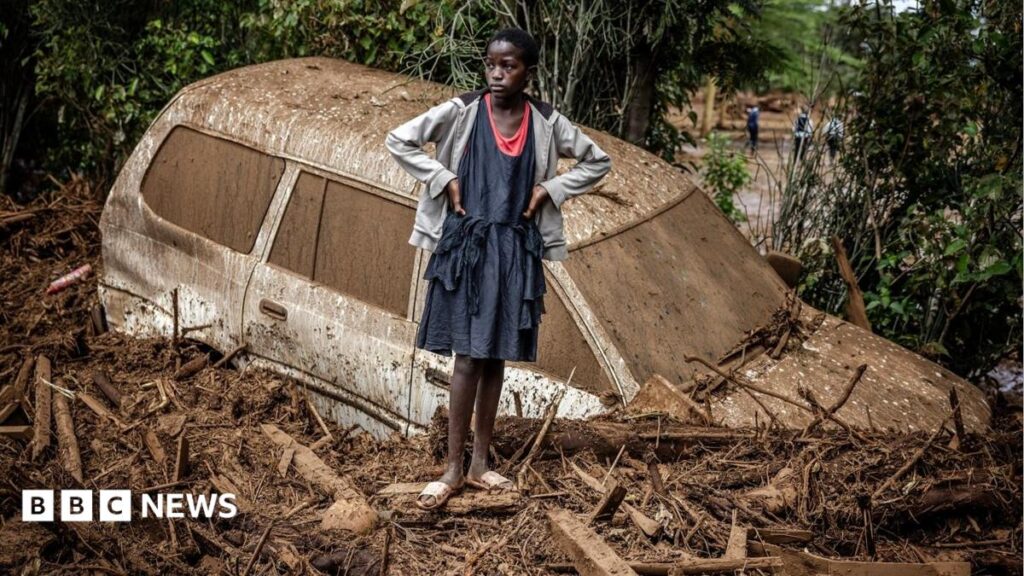
For Africa, the stakes are especially high because a large share of the continent’s food production is rain‑fed. The African Development Bank warns that a prolonged drought in the Horn of Africa could shave 2‑3 % off regional cereal yields, threatening the food security of over 30 million people. In Ethiopia and Kenya, smallholder farmers already face cash‑crop failures, and a hotter, drier season could force many into urban informal economies.
Conversely, some parts of southern Africa may see a short‑term boon from above‑average rainfall. South Africa’s water‑intensive sugarcane sector could benefit, but the upside is limited by the risk of flooding that can damage infrastructure. Energy markets are also in flux: hydro‑electric power, which supplies roughly 40 % of Kenya’s electricity, could see output drop dramatically if reservoirs dry up, prompting governments to lean on diesel generators and increase carbon emissions.
The migration angle cannot be ignored. The United Nations High Commissioner for Refugees (UNHCR) estimates that climate‑driven displacement in Africa could rise by 15 % over the next two years if El Niño‑related shocks hit. This would add pressure to already strained border towns in Sudan, Chad and the Democratic Republic of Congo, where humanitarian agencies are operating at capacity.
Global economic ripple effects
Beyond the continent, the supersized El Niño is set to reverberate through commodity markets. Wheat futures have already ticked up 7 % since the UN issued its warning, reflecting concerns about lower output in Australia and the United States. Similarly, coffee and cocoa producers in Brazil and Vietnam are bracing for a dip in harvest quality, which could push retail prices in Europe and North America higher.
Financial analysts at Bloomberg note that insurance companies are revising their exposure to natural‑disaster claims, especially in coastal cities prone to flooding. The re‑pricing of risk could lead to higher premiums for businesses that operate in vulnerable zones, a cost that may be passed on to consumers worldwide. In the shipping sector, altered wind patterns could shift trade routes, marginally increasing transit times for vessels crossing the Pacific and the Indian Ocean.
Policy responses and what comes next
The UN’s call to action urges governments to activate emergency response plans, bolster early‑warning systems and secure strategic food reserves. In Africa, the African Union’s Climate Resilience Initiative is fast‑tracking a $2 billion fund to support drought‑proofing of staple crops through drought‑tolerant seed distribution and irrigation upgrades.
Private‑sector actors are also stepping in. Agritech startups in Nigeria, such as FarmCrowdy, are piloting satellite‑based monitoring tools that alert farmers to impending heat stress, allowing them to adjust planting schedules. Meanwhile, renewable‑energy firms are lobbying for fast‑track approvals of solar‑plus‑storage projects to offset potential hydro‑electric shortfalls.
Looking ahead, scientists caution that the window for mitigation narrows as the El Niño matures. The UN Climate Change Secretariat recommends that countries synchronize their climate‑adaptation budgets with the El Niño timeline, ensuring that aid reaches the most vulnerable before the peak months of July to September. Failure to act could lock in a generation of food‑price volatility and exacerbate socioeconomic inequalities across the globe.
Quick Answers
When is the supersized El Niño expected to peak?
The strongest phase is projected for July‑September 2026, with sea‑surface temperatures remaining unusually high through December.
How will the 2026 El Niño affect African food security?
Rain‑fed crops in the Horn of Africa and the Sahel could see yields fall 2‑3 %, jeopardising the livelihoods of over 30 million people.
What steps are African governments taking to prepare?
Many are expanding strategic grain reserves, investing in drought‑tolerant seeds and accelerating solar‑plus‑storage projects to offset potential energy shortfalls.
Source: www.bbc.co.uk




💬 Comments 0