US 2026 Midterm Campaign Hits $12 billion Record – What It Means for African Voters and Diaspora Influence
Background: Money Has Always Driven US Elections
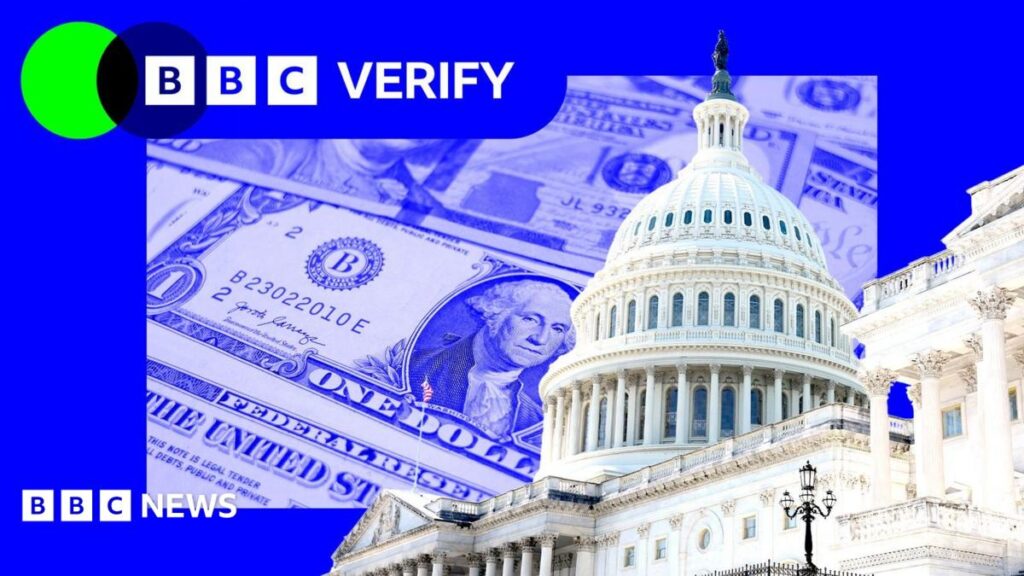
Campaign finance in the United States has been on a steady upward trajectory since the 1970s, when the Federal Election Commission first began tracking spending. The 2020 presidential race broke the $14 billion ceiling, but the midterm elections have traditionally been cheaper, averaging around $3 billion per cycle.
The 2026 midterms, however, are projected to cost nearly $12 billion, according to the latest figures from the Federal Election Commission and independent watchdogs. This surge reflects not only inflation but also a new wave of digital advertising, data‑driven micro‑targeting, and an unprecedented influx of corporate and foreign‑linked contributions.
Why the Spike Matters: Democratic Accountability at Risk
When money dwarfs the cost of ordinary public services, the risk of policy capture rises sharply. Analysts at the Brookings Institution warn that such a spending boom could tilt legislative priorities toward the interests of donors rather than constituents, especially in swing districts where every dollar can sway a handful of votes.
The scale of the 2026 war chest also reshapes the political playing field for third‑party and independent candidates, who lack the fundraising infrastructure of the two major parties. Their marginalisation could reduce the diversity of viewpoints in Congress, a trend already evident in the 2024 elections where third‑party vote shares fell below 1 percent in most states.
The African Diaspora: A New Target for Big Money
African‑American voters have been a decisive bloc in recent elections, and the growing African diaspora in the United States – estimated at 2.5 million people – is increasingly viewed as a swing constituency. Campaign operatives are allocating a larger slice of the $12 billion budget to outreach programs, community events, and tailored digital ads that speak to immigration, criminal‑justice reform, and US‑Africa trade policy.
According to a report by the Center for African Diaspora Studies, at least $150 million of the total midterm spend is earmarked for media buys in states with sizable African immigrant populations, such as Maryland, Minnesota, and Texas. These funds are being used to sponsor town‑hall meetings, fund local NGOs, and create culturally resonant content that highlights candidates' positions on issues like the African Continental Free Trade Area (AfCFTA).
Implications for African Markets and Foreign Policy
US legislators who receive heavy campaign contributions from tech giants, defense contractors, and energy firms often shape foreign‑policy agendas that affect Africa directly. For example, the 2022 bipartisan “Africa Investment Act” was championed by members who later benefitted from large corporate donations during the 2024 cycle. The 2026 spending surge could amplify similar lobbying efforts, influencing aid allocations, trade agreements, and military cooperation with African nations.
African investors are watching closely. The Johannesburg Stock Exchange (JSE) saw a 3 percent dip in the first week of September 2026 after a Bloomberg analysis linked the US spending spike to potential policy shifts on mineral export tariffs. Market analysts warn that a US Congress more beholden to corporate donors may push for stricter regulations on cobalt and lithium mining – commodities critical to African economies such as the Democratic Republic of Congo and Zambia.
What Comes Next: Regulation, Reform, and Grassroots Pushback
Calls for campaign‑finance reform have intensified. Senate Majority Leader Karen Whitfield (D‑CA) has introduced the “Transparency and Fairness Act,” which would require real‑time disclosure of all political ads and cap contributions from foreign‑linked entities. If passed, the law could curb the flow of money that currently fuels hyper‑targeted outreach to diaspora groups.
Meanwhile, grassroots organizations like Black Voters Matter and the African Diaspora Political Alliance are mobilising volunteers to counteract the influence of big‑money ads with community‑driven education campaigns. Their strategy focuses on voter registration drives, issue‑based town‑halls, and the creation of independent fact‑checking portals that track the source of campaign messaging.
Quick Answers
How much is the US 2026 midterm election expected to cost?
The 2026 midterm campaign is projected to cost nearly $12 billion, making it the most expensive midterm cycle in American history.
Why are African diaspora voters a focus for campaign spending?
African diaspora voters are seen as a swing constituency in several key states, and campaigns are allocating funds to tailored outreach on issues like immigration and US‑Africa trade.
What impact could US campaign spending have on African markets?
Heavy donor influence on US lawmakers may shape policies on mineral export tariffs and aid, which can affect African economies that rely on commodities such as cobalt and lithium.
Source: www.bbc.co.uk



💬 Comments 0