US 2026 midterm mail‑in ballot security: CCTV, zip‑ties and what it means for African voters
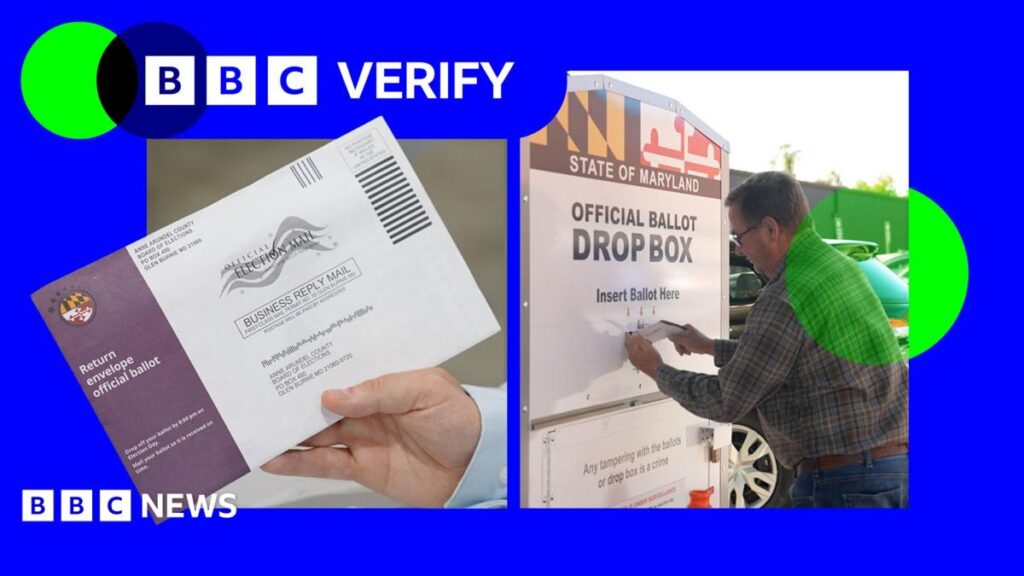
Why mail‑in voting matters more than ever in the 2026 US midterms
The 2026 midterm elections are the first in a decade where a majority of votes are expected to arrive by mail, a shift driven by pandemic‑era reforms and a growing preference for convenience among younger voters. With the nation’s electorate expanding to include more mobile and overseas citizens, the postal system has become the de‑facto polling place for millions of Americans.
Higher reliance on absentee ballots has also intensified partisan scrutiny. Both parties have filed lawsuits over the speed of ballot counting and the adequacy of verification steps, arguing that any perceived laxity could tilt the balance of power in Congress. This legal backdrop makes the internal mechanics of ballot handling a flashpoint for public confidence.
For African‑American communities, who historically face barriers to in‑person voting, mail‑in ballots represent a crucial tool for increasing turnout. Data from the 2024 elections showed a 7‑percentage‑point rise in participation among Black voters who used postal voting, a trend that could be decisive in swing districts this year.
Inside the processing centre: CCTV, zip‑ties and the audit trail
At a typical county election office, every incoming envelope is first scanned by a high‑resolution camera that records the barcode, sender’s address and any visible markings. The footage is stored for at least 90 days, creating a visual audit trail that can be cross‑checked if a ballot’s legitimacy is challenged.
Once the envelope passes the initial scan, workers use a standardized set of zip‑ties to seal the inner ballot pouch. This low‑tech step prevents accidental tampering while the envelope moves along the conveyor belt to the verification station. There, a bipartisan team of clerks checks the voter’s signature against the registration file, a process that now incorporates AI‑assisted matching to reduce human error.
After verification, the ballot is placed in a locked bin that is monitored by motion‑sensitive cameras. The bins are opened only during a pre‑scheduled window, and any deviation from the protocol must be logged in a digital ledger that is later reviewed by an independent audit firm. According to the Election Assistance Commission, these layered safeguards have cut the rate of rejected mail‑in ballots to under 1.2 percent, the lowest figure recorded in a federal election.
Implications for African‑American voters and the diaspora
The enhanced security measures are especially relevant for African‑American voters living in states with strict absentee‑ballot deadlines. In Georgia and Texas, where the deadline falls just days after Election Day, any delay or mis‑handling could disenfranchise thousands of Black voters who rely on the mail to avoid long lines at polling stations that are often located in under‑served neighborhoods.
The US diaspora, including an estimated 250,000 Nigerians, Ghanaians and other West Africans, also benefits from clearer processing rules. The State Department’s new online portal now syncs with county election offices, allowing overseas voters to track their ballot’s journey via a secure QR code. This transparency reduces the anxiety that has historically plagued expatriate communities during US elections.
Community organisations such as the NAACP Legal Defense Fund have praised the move toward greater visibility, noting that “when voters can see exactly where their ballot is, trust in the system improves.” However, critics argue that the reliance on technology could marginalise older voters who are less comfortable navigating digital verification tools.
What the US experience signals for African elections
Several African nations are watching the US mail‑in experiment with interest. Kenya’s Independent Electoral and Boundaries Commission (IEBC) announced a pilot program for postal voting in remote constituencies, citing the US model’s “transparent chain‑of‑custody” as a benchmark. Similarly, Ghana’s Electoral Commission is exploring the use of CCTV‑monitored ballot boxes to curb allegations of fraud in its upcoming 2026 parliamentary elections.
The key lesson for African election bodies is the importance of a hybrid approach that blends low‑tech security (like zip‑ties) with high‑tech monitoring (such as continuous video recording). This combination offers a cost‑effective way to assure stakeholders without requiring expensive biometric infrastructure that many developing jurisdictions cannot afford.
Moreover, the US emphasis on a publicly accessible audit trail resonates with African civil‑society groups that demand real‑time oversight. By publishing anonymised processing logs, election commissions can empower watchdog organisations to verify that ballots are handled correctly, a practice that could reduce post‑election disputes that have historically destabilised several African democracies.
Looking ahead: legal battles, technology upgrades and public trust
The 2026 midterms will likely be the last major test of the current mail‑in framework before Congress decides whether to codify the procedures into law. Pending legislation aims to standardise the use of AI‑driven signature verification across all states, a move that opponents claim could introduce algorithmic bias. Legal scholars at Harvard Law School warn that any federal mandate must include robust oversight mechanisms to protect minority voters.
Technology vendors are already lobbying for the next generation of ballot‑tracking tools, promising blockchain‑based ledgers that could make each ballot’s path immutable. While such innovations sound promising, experts caution that implementation costs and the need for staff training could create new bottlenecks, especially in rural counties with limited budgets.
Public confidence remains the ultimate barometer. A recent Pew Research poll shows that 58 % of Americans feel “somewhat confident” that mail‑in voting is secure, up from 42 % in 2020. The gap is wider among Black respondents, with 48 % expressing confidence versus 65 % among white voters. How election officials address these perception gaps will shape not only the outcome of the 2026 races but also the future of absentee voting in the United States.
Quick Answers
How are US mail‑in ballots verified before counting?
Ballots are scanned, sealed with zip‑ties, and then checked by bipartisan clerks who compare the voter’s signature to the registration file, often aided by AI‑based matching software.
Can African‑American voters rely on mail‑in voting in the 2026 midterms?
Yes, enhanced security steps such as CCTV monitoring and a transparent audit trail aim to protect absentee ballots, though some advocates warn that technology gaps could affect older voters.
What lessons can African election commissions learn from the US mail‑in process?
The US model shows that combining low‑tech safeguards (like zip‑ties) with continuous video surveillance creates a cost‑effective, transparent system that can be adapted for postal voting pilots in Africa.
Source: www.bbc.co.uk




💬 Comments 0