US and Iran Sign Shock Deal: Oil Flows Freely as War Ends, But at What Cost?
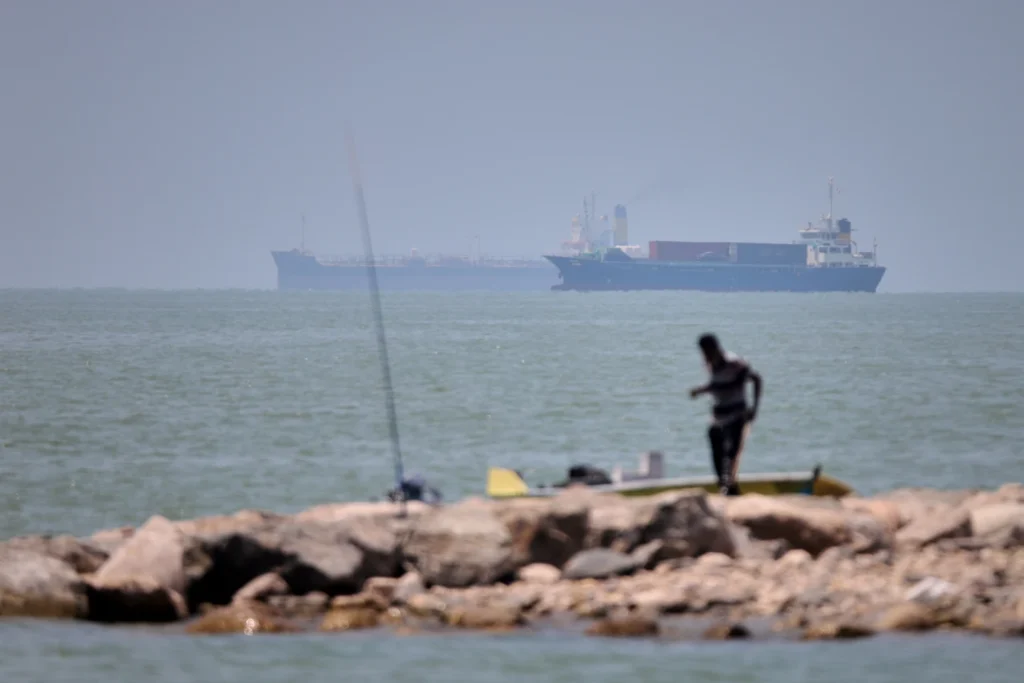
The Strait of Hormuz where a fifth of the world’s oil once flowed freely is open again. Just like that. No tolls, no blockades, no mines. For now.
This isn’t just another diplomatic handshake. An initial agreement to end the war between the United States and Iran calls for Tehran to dilute its stockpile of highly enriched uranium and would waive sanctions on the country, immediately allowing Iran to sell its oil freely. And it happened with a flourish: Donald Trump signing a physical copy at Versailles, of all places, while dining with Emmanuel Macron. The deal is done. The war is paused. But the real question? Who actually won here.
Before the Ink Dried, Nobody Knew What Was Coming
The road to this moment was paved with secrecy, mixed signals, and a healthy dose of chaos. For days, the world scrambled to piece together what, exactly, the U.S. and Iran had agreed to. U.S. officials clammed up. Iranian state media dropped breadcrumbs. Even the signing ceremony was a moving target first Switzerland, then Versailles, then… who knows?
The agreement’s core is simple: stop the fighting, reopen the Strait of Hormuz, and let Iran sell its oil without restrictions. In return, Tehran promises to dilute its uranium stockpile and restart nuclear talks. But here’s the kicker: the U.S. is giving up its biggest bargaining chip oil sanctions before the final deal is sealed. That’s not how this usually works.
Trump, ever the showman, called it “very strong.” Then, in the same breath, threatened to bomb Iran if he didn’t like how things went. Classic Trump.
The Real Tea: A Deal That Feels Like a Surrender
Let’s talk about what’s actually in this deal. The Strait of Hormuz reopens no tolls for two months, but the fine print leaves the door ajar for fees later. Iran gets to sell its oil immediately, a move that strips the U.S. of leverage it held for years. And the sanctions? They’re not gone, but they’re waived, with the promise of more relief down the line if nuclear talks progress.
Iran walks away with $300 billion in potential investments to rebuild its economy, a figure so staggering it feels like a typo. But here’s the catch: Gulf nations, who’ve had their own infrastructure targeted by Iranian attacks, are the ones expected to foot the bill. Trump, of course, made it clear the U.S. won’t contribute a dime.
Then there’s Lebanon. The deal affirms its territorial integrity a direct jab at Israel, which has occupied parts of Lebanon to combat Hezbollah. Iran insists Israel must withdraw. Israel, predictably, said no. So much for a clean resolution.
And the uranium? Iran’s stockpile, enriched to 60% purity (a level no country without a weapons program has reached, per the IAEA), will be “downblended.” But the details are fuzzy. No transparency, just trust.
The Angle Nobody Is Talking About: Trump’s Lebanon Love Letter
Here’s what the mainstream missed: Donald Trump, the man who once called the Iran deal the “worst ever,” just handed Tehran a lifeline while publicly cozying up to Lebanon.
Remember, Trump has spent years criticizing Israel, even as he backed its military actions. He’s called Lebanon a victim, Israel a “source of tension.” And now, this deal explicitly backs Lebanon’s sovereignty against Israeli occupation. That’s not just a policy shift it’s a middle finger to Netanyahu, who’s already facing backlash at home.
What’s the play here? Is Trump positioning himself as the peacemaker who outsmarted everyone? Or is this just another chapter in his love-hate relationship with the Middle East? Either way, it’s a power move that leaves Israel isolated and Iran emboldened.
Where Things Stand Now
As of today, the war is on pause. The Strait is open. Oil is flowing. And the clock is ticking: 60 days to hash out the nuclear details. But the mood? Uneasy.
This deal feels less like a victory and more like a gamble. The U.S. gave up its strongest leverage oil sanctions upfront. Iran got everything it wanted, with the promise of more to come. And Israel? Left holding the bag, watching as its biggest adversary gets a financial and diplomatic boost.
My take? Trump’s betting he can strong-arm Iran into a final deal. But if history’s any indication, Tehran plays the long game better than anyone.
FREQUENTLY ASKED QUESTIONS
[What did the US and Iran agree to in the new deal?] The initial agreement ends hostilities, reopens the Strait of Hormuz, and allows Iran to sell oil freely in exchange for diluting its uranium stockpile. It also kicks off 60 days of negotiations on Iran’s nuclear program, with sanctions waived upfront.
[Why did Trump sign the deal at Versailles?] Trump signed the physical copy during a dinner with French President Emmanuel Macron at Versailles a symbolic nod to the palace’s history of hosting historic agreements. The White House had originally planned a ceremony in Switzerland, but the location changed last minute.
[How much money will Iran get from the deal?] Iran could receive up to $300 billion in investments, primarily from Gulf nations, to rebuild its economy. The funds are tied to progress in nuclear talks, but the U.S. won’t contribute a cent.
[Is this deal better than the 2015 Iran nuclear agreement?] On paper, Iran gets more upfront concessions this time immediate oil sales, sanctions waivers, and a path to lifting all restrictions. The 2015 deal, which Trump called the “worst ever,” only lifted some sanctions after Iran scaled back its nuclear program.
[What happens if the US and Iran don’t reach a final deal in 60 days?] Trump’s already hinted at the answer: “If I don’t like it, we’ll go back to shooting at them, dropping bombs.” So, back to square one only this time, Iran’s economy will be stronger, and the U.S. will have fewer cards to play.
This isn’t just a deal. It’s a high-stakes poker game where the U.S. showed its hand too early. Iran’s smiling. Israel’s fuming. And the world? Waiting to see if Trump’s bluff pays off or if we’re all about to get played.

💬 Comments 0